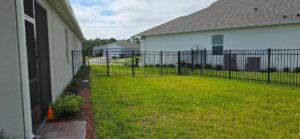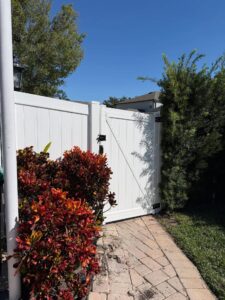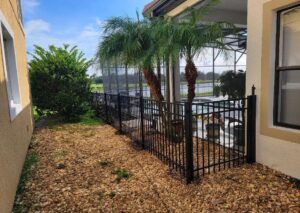
A fence can look simple on paper. Choose a material, decide on a height, mark the property boundary, and install the posts. In practice, however, every property presents its own set of conditions that can affect how a fence should be designed and installed.
This is why property-first fence planning is important. Instead of choosing a fence and trying to make it fit the property afterward, homeowners can begin by understanding the property itself. This approach can reveal potential obstacles early, help determine where the fence can reasonably go, and make the installation process more predictable.
Start With the Actual Property, Not Just the Fence Style
The first step in planning a fence should be looking at the entire property. A homeowner may already know they want a privacy, aluminum, wood, or vinyl fence, but the material is only one part of the project. The proposed fence line needs to work with the yard’s physical characteristics.
For example, a backyard may have a relatively straightforward boundary on a property survey but contain a retaining wall, mature trees, air-conditioning equipment, irrigation lines, a swimming pool, or a sloped section that makes a simple straight installation impractical.
The location of the house also matters. Doors, windows, patios, garages, side gates, walkways, and driveways all affect how people move around the property. A fence should establish a boundary without unnecessarily blocking access to areas that need to remain accessible. Looking at the property as a complete system gives homeowners a better starting point than selecting a fence based only on appearance.
Measure More Than the Property Boundary
Knowing where a property ends is essential, but the legal boundary does not automatically determine the most practical fence layout. Before installation, the proposed fence line should be considered in relation to structures and features on both sides of it. Depending on the property, this can include neighboring fences, sidewalks, driveways, utility equipment, sheds, pools, patios, drainage features, and landscaping.
Small differences in measurements can also become important once posts, gates, and corners are introduced. A fence that appears to have plenty of room in a general yard view may create a very narrow passage at a side gate or around an outdoor structure.
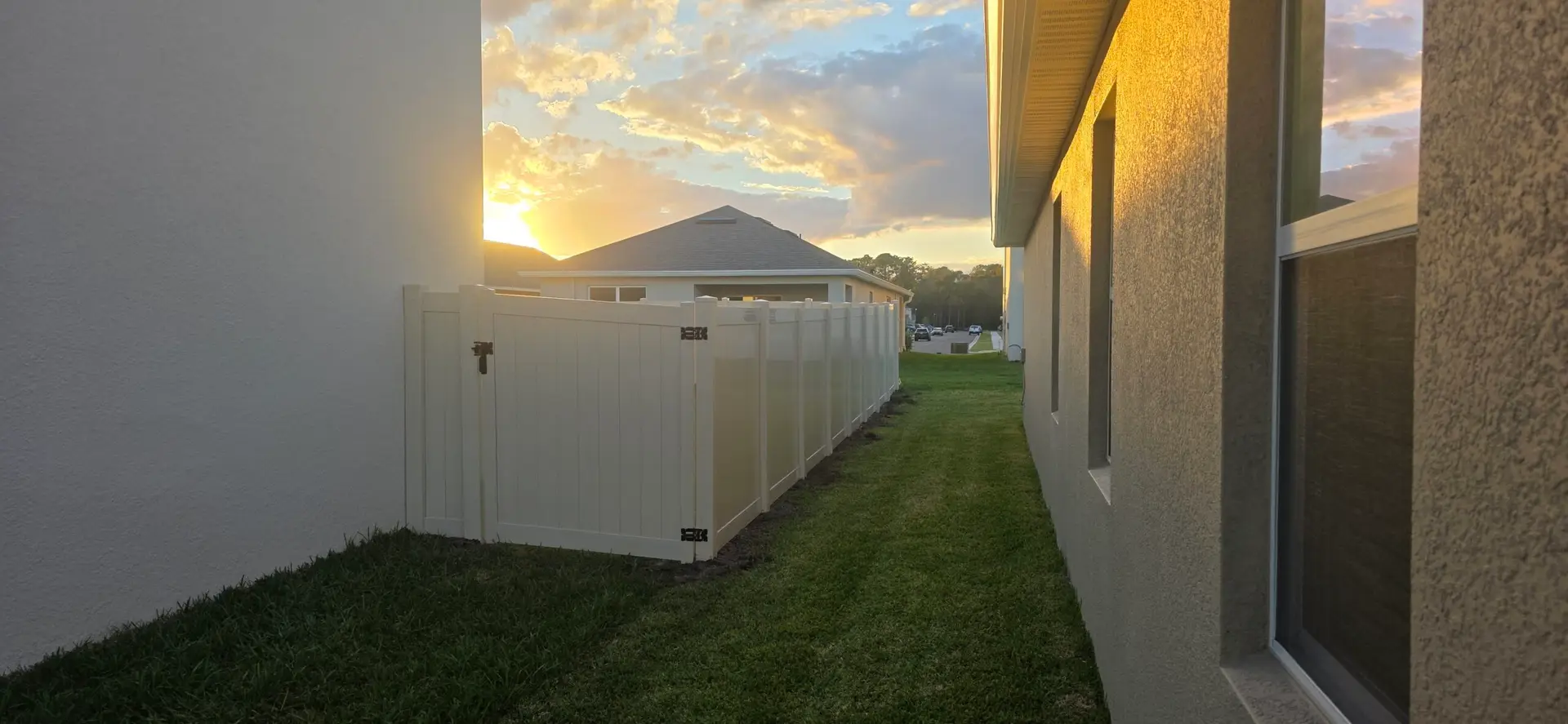
This is particularly relevant for properties with limited side access. If a homeowner needs to move lawn equipment, pool equipment, large furniture, or maintenance tools through a particular area, the fence layout and gate opening need to accommodate those uses. A property-first approach asks not only, “Where can the fence go?” but also, “How will this space continue to function after the fence is installed?”
Understand What a Slope Does to the Fence Line
Elevation changes are among the most important physical conditions to identify before installation. A yard does not have to be dramatically hilly for grade to affect a fence. Even gradual changes in elevation can influence how panels, posts, gates, and transitions are positioned.
There are generally several ways to approach a sloped fence line. Depending on the material and the property’s characteristics, a fence may follow the grade, step at certain intervals, or use another layout suited to the site.
The choice affects both appearance and function. Following the grade can create a continuous appearance while accommodating changes in elevation. Stepping sections can produce a more structured appearance but may create gaps or changes in height that need to be addressed carefully. The appropriate solution depends on the fence material, slope, property requirements, and desired appearance.
Gates require additional attention because they need to operate properly within the chosen layout. A steep or uneven section may require a different gate location than originally expected. This is one reason site measurements should happen before the final fence design is established.
Landscaping Can Change the Practical Fence Line
A mature landscape can make a property attractive, but it can also complicate fence installation. Trees are particularly important. Their trunks and root systems may occupy areas where a homeowner initially expects fencing to be placed. Moving the fence line around a tree may preserve the landscaping, but doing so can affect the overall boundary and available yard space.
Large shrubs and garden beds should also be considered. Installing a fence directly against dense vegetation may make future trimming and maintenance difficult. At the same time, removing established plants solely to accommodate a fence may not be necessary if the layout can be adjusted. Homeowners should also consider how landscaping may grow over time. A small planting bed that currently sits comfortably beside a fence may become crowded as shrubs mature.
The objective is not necessarily to keep every plant untouched or to place the fence as far away from vegetation as possible. Instead, the layout should account for both the existing landscape and reasonable future maintenance.
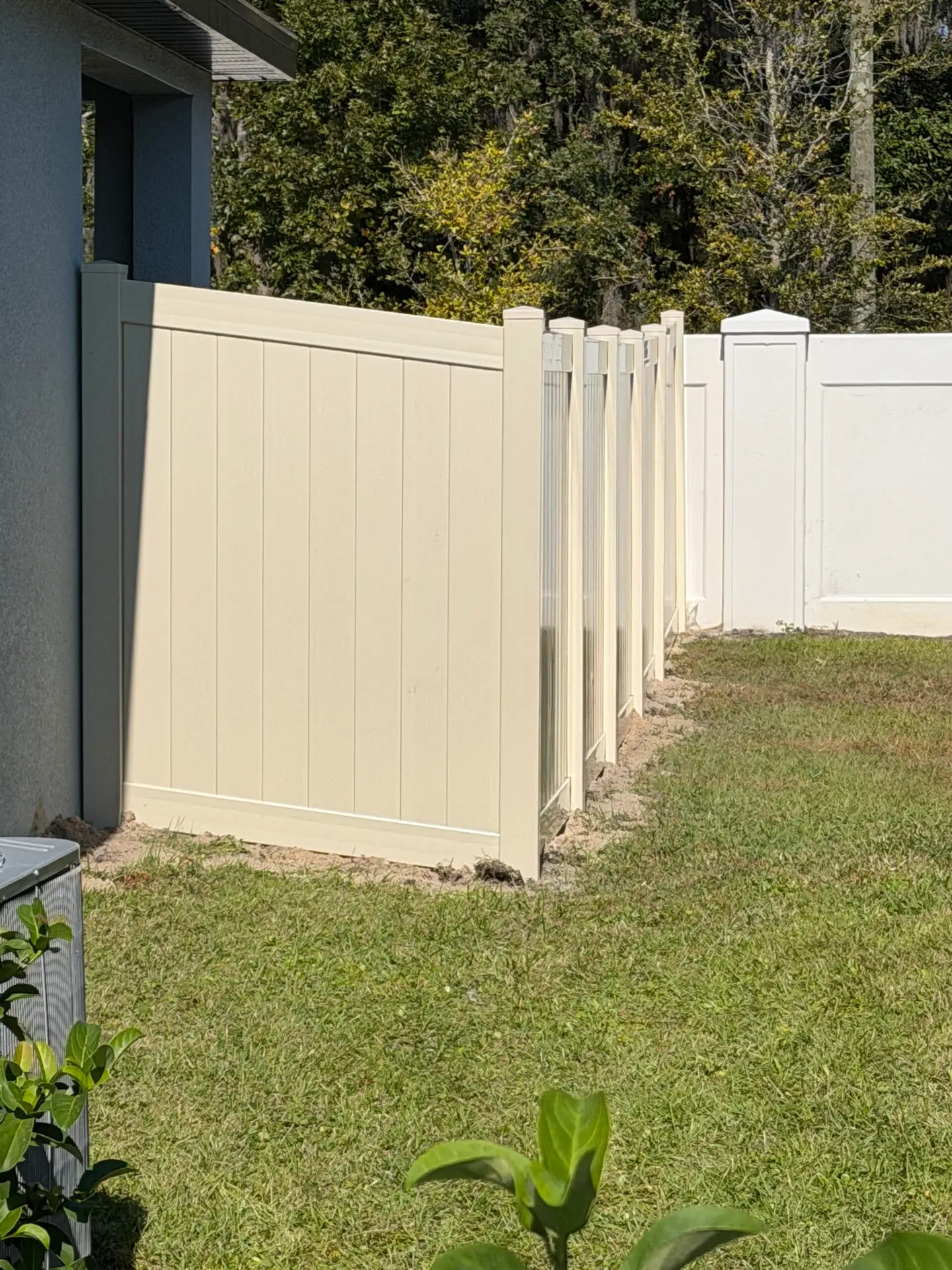
Drainage Is Easy to Overlook
Water movement is another site condition that should be considered before installing a fence. Rainwater naturally follows the grade of a property. Yards may use swales, slopes, drainage channels, catch basins, or other systems to direct water away from structures and toward appropriate outlets.
A fence should not be planned without considering these existing drainage patterns. For example, placing a solid fence across an area where water naturally moves could change how water travels through the yard. That does not mean fencing cannot be installed in such locations, but the drainage conditions should be understood before the final layout is determined.
The issue can become particularly important where neighboring properties meet. Changes in elevation between yards may influence where water flows and how the fence interacts with the surrounding ground. A site assessment can help identify these conditions before posts are installed and reduce the likelihood of discovering a drainage-related problem halfway through the project.
Existing Structures Can Create Unexpected Constraints
Many yards contain more structures than homeowners initially consider. Sheds, detached garages, pool equipment, air-conditioning units, generators, outdoor kitchens, storage areas, wells, utility boxes, and other equipment may sit near the proposed fence line. These structures can affect both the placement of the fence and future access. An air-conditioning unit, for example, may require service access. A pool equipment area may need regular maintenance. A shed may need a clear route for moving equipment in and out.
Installing the fence too close to one of these features can technically enclose the property while making everyday maintenance more difficult. During planning, homeowners should identify anything that needs regular access and determine whether the fence should leave additional clearance or incorporate a gate.
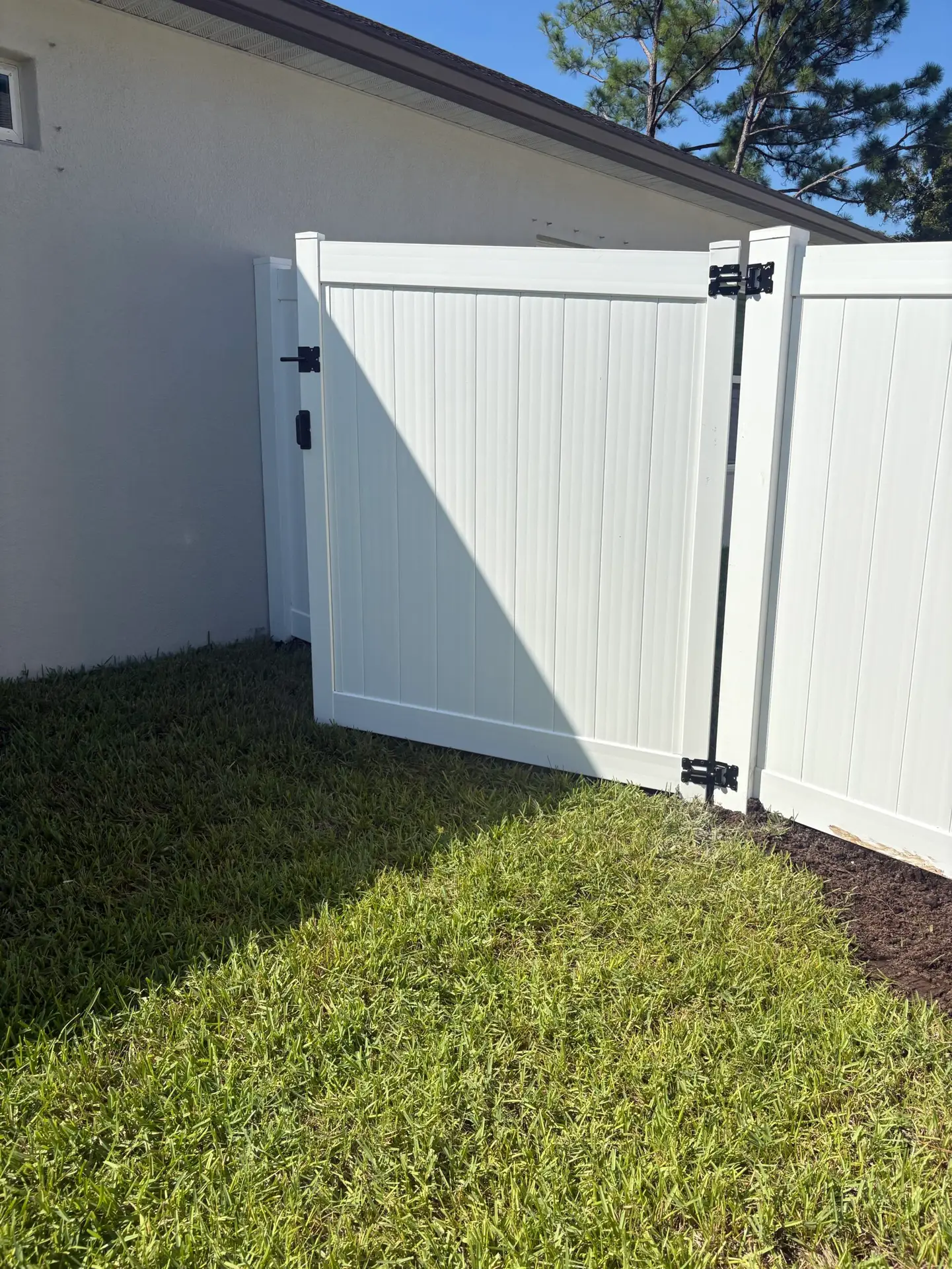
Think About How People Will Move Through the Yard
A fence changes circulation. Once the boundary is established, people may no longer be able to take the same routes they used before installation. This is why walkways and access points should be considered as part of the fence layout. A side-yard gate may be needed to provide access from the front yard to the backyard. A separate gate may be useful near a driveway. A pool area may require controlled access between the house and the enclosure.
The most convenient gate location is not always the location that appears obvious from the property boundary. For example, placing a gate at the narrowest section of a side yard may save space on paper but make it difficult to carry large items through the opening. A slightly different location may provide much more practical access.
Homeowners should consider both regular and occasional movement. Lawn equipment, trash containers, pool supplies, bicycles, outdoor furniture, and maintenance equipment can all require more space than everyday foot traffic.
Driveways Need More Than a Fence-Line Measurement
Vehicle access is another area where property-first planning matters. A driveway gate needs enough room for vehicles to enter, exit, and turn without creating unnecessary difficulty. The position of the driveway, its width, its angle relative to the road, and the location of surrounding landscaping can all affect gate placement.
The fence line should also account for pedestrian access. A property may need both a vehicle gate and a separate walk-through gate depending on how it is used. Homeowners should think about more than the vehicles they currently own. Larger deliveries, trailers, landscaping equipment, or service vehicles may occasionally need access to the property. Planning these requirements before installation can help avoid a situation where a newly installed fence limits access that the homeowner later needs.
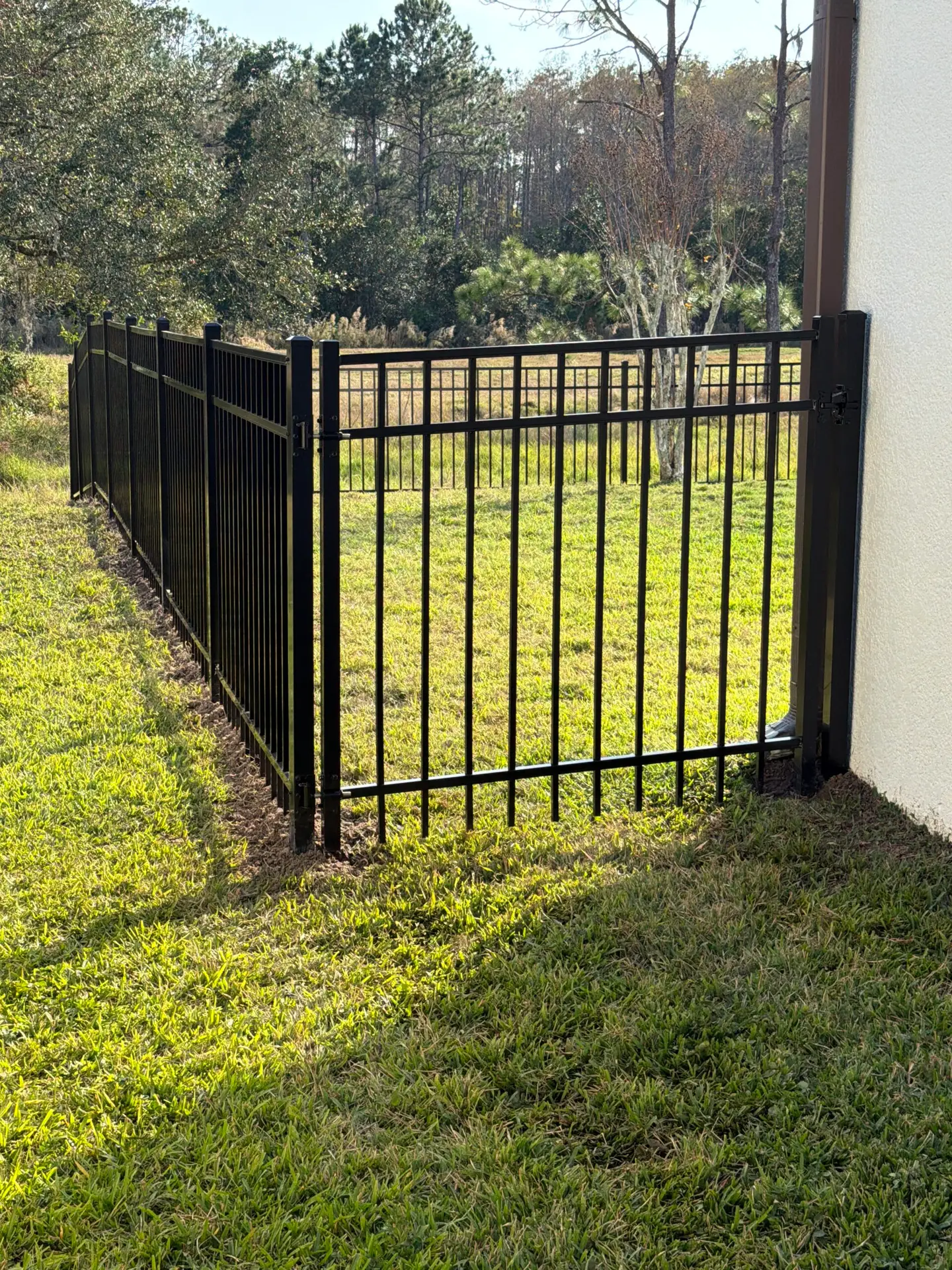
Utilities and Underground Lines Matter
Fence posts require digging, which means underground utilities should be considered before installation. Depending on the property, underground electrical lines, irrigation systems, telecommunications lines, plumbing, gas lines, or other infrastructure may be present.
Homeowners should make sure the appropriate utility-locating procedures are followed before digging begins. This is not simply a matter of avoiding inconvenience. It is an important part of safe site preparation.
Private utility lines can also exist beyond what standard public utility-locating services identify. Homeowners should discuss known private lines, irrigation systems, and other underground infrastructure with the contractor before installation. Knowing what is beneath the proposed fence line can influence where posts are placed and whether sections need to be adjusted.
Fence Material Can Affect the Design
The property’s physical conditions can also influence which fencing material is practical. Vinyl, aluminum, wood, and chain link each have different characteristics. The best material depends not only on the desired appearance but also on the property’s layout, maintenance expectations, privacy needs, and budget.
A wood fence, for example, can provide a more traditional solid appearance and can be adapted to various designs. Vinyl can provide privacy with relatively low routine maintenance. Aluminum can maintain visibility and an open appearance, while chain link can provide a practical boundary without creating a solid visual barrier.
Material selection should also account for the fence’s surroundings. A particular style may look appropriate in an open section but require more careful consideration around a slope, pool, landscaping, or gate. The property should help inform the fence choice rather than forcing the property to accommodate a predetermined design.
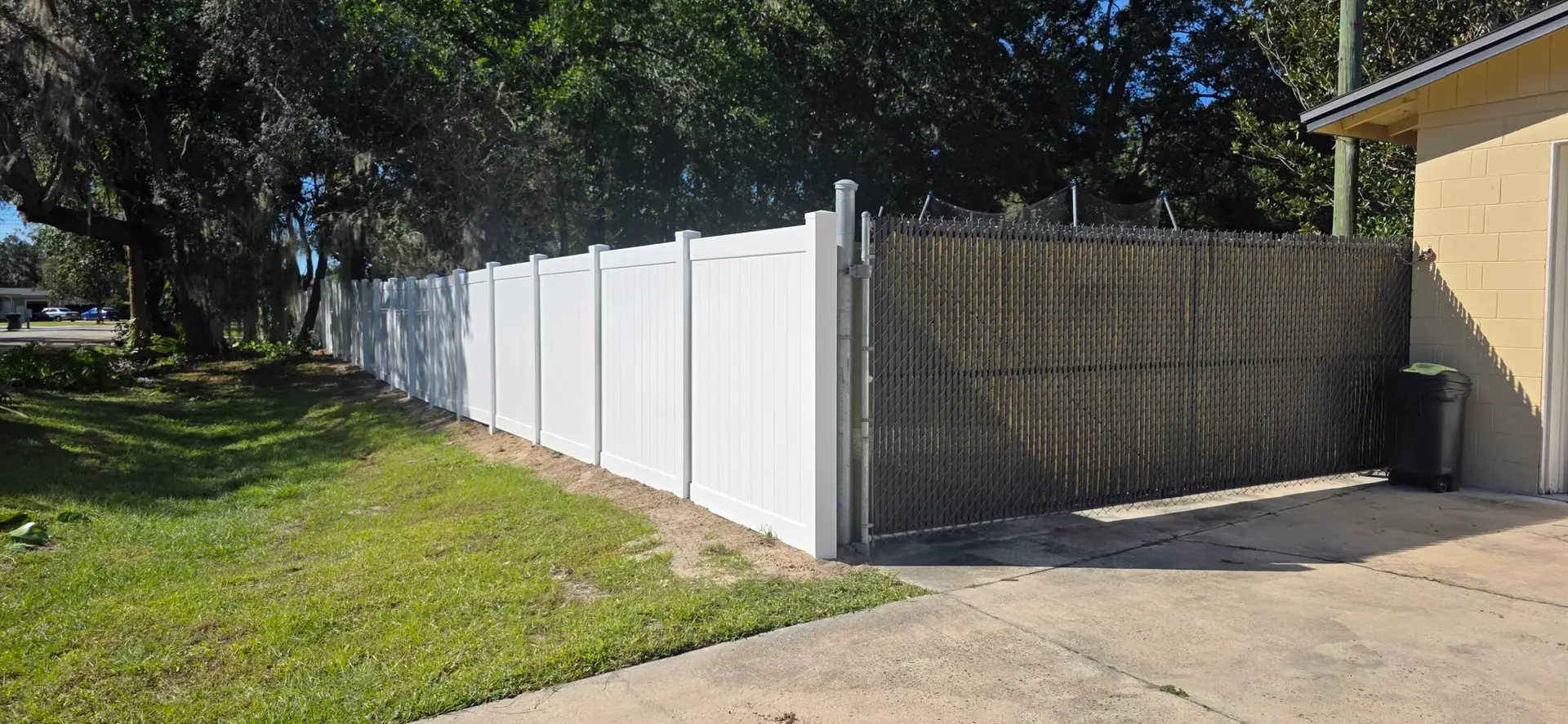
Account for Future Changes to the Property
Property-first fence planning should consider not only what exists today but also foreseeable changes. Homeowners may be planning a patio addition, pool improvement, landscaping project, shed, outdoor kitchen, driveway expansion, or other renovation. A fence installed without considering those plans could create unnecessary limitations later.
This does not mean every possible future project needs to be predicted. Instead, homeowners should identify projects that are already planned or reasonably likely and discuss them before finalizing the fence layout. For example, if a homeowner plans to install a larger patio next year, the fence line and gate placement may need to accommodate that future space. Thinking ahead can be especially useful for permanent structures that would be difficult or expensive to relocate after the fence is installed.
Property Boundaries Should Be Confirmed
The fence should be installed in the correct location, which makes property boundaries an important part of planning. Homeowners should not rely solely on visual assumptions about where their property ends. Existing fences, landscaping, driveways, or neighboring improvements may not accurately represent the legal property line.
Depending on the circumstances, homeowners may need to review a property survey or seek professional assistance in determining the boundary. This becomes particularly important when the proposed fence is close to a neighboring property or when the available space is limited. A few inches may not seem significant in a large yard, but on a narrow side boundary, even a small difference can affect access and the overall layout.
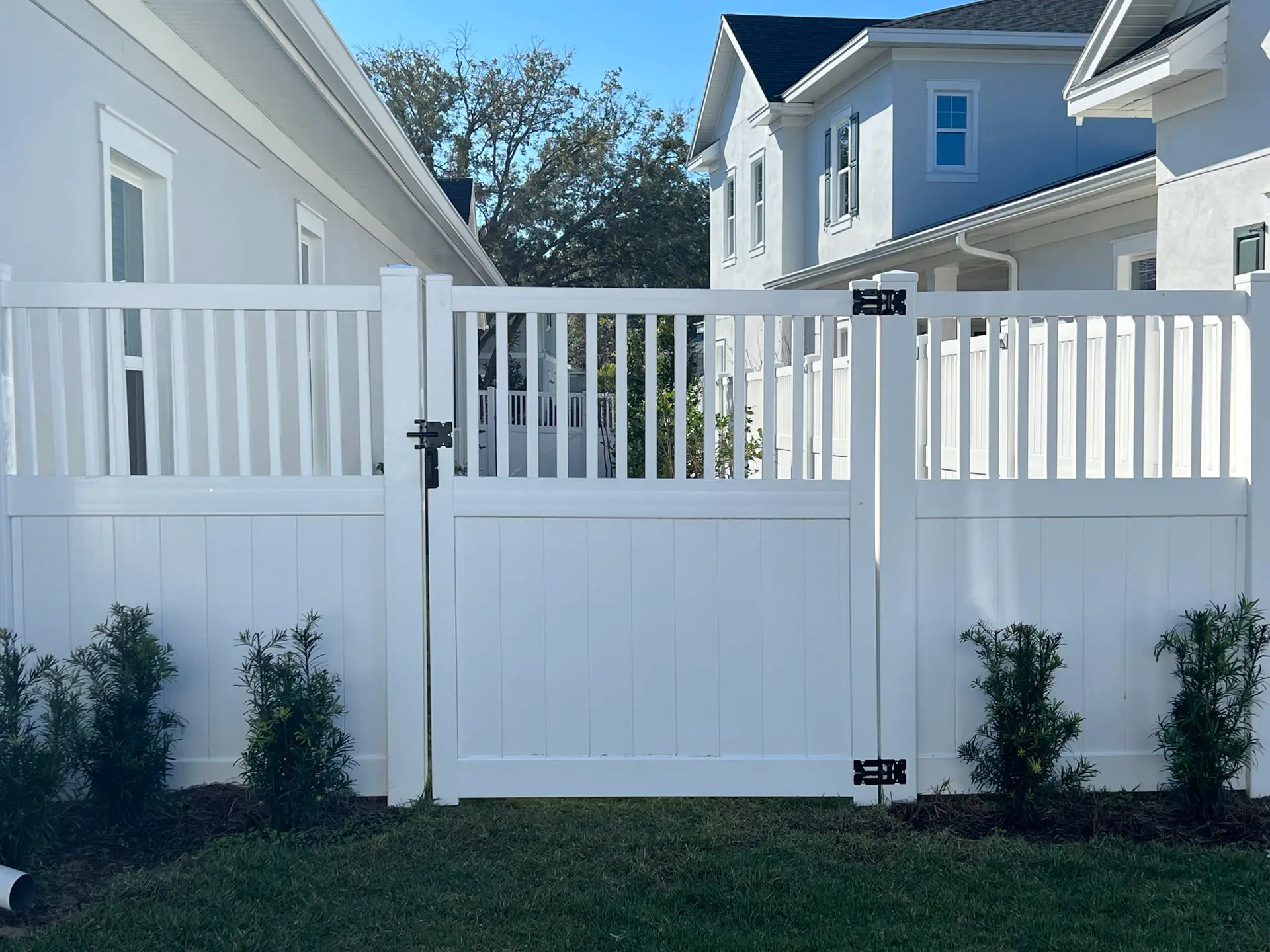
Plan Your Fence With Fence Direct
At Fence Direct, we take a property-first approach to every project. With more than 20 years of experience, our team of fence contractors provides professional fence installation throughout Fort Myers, FL, helping homeowners account for landscaping, drainage, slopes, pools, driveways, and existing structures. As an experienced residential fence company, we offer several options, including vinyl fence installation, wood fences, and aluminium fences. We also provide custom gate installation to maintain practical access throughout your property. Our team assists with permits and HOA requirements and provides free estimates. Fence Direct has also acquired all of the operations of SunState Fence.
Contact Fence Direct for property-first planning.