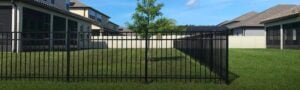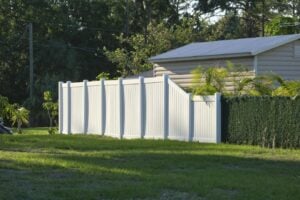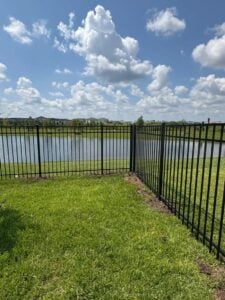
A new fence does far more than mark property lines or offer a bit of privacy. It fundamentally shapes how you experience, navigate, and enjoy your outdoor living environment. When homeowners plan a backyard fence installation, they often concentrate on immediate aesthetic details—choosing between classic wood pickets, sleek vinyl panels, modern horizontal slatted designs, or durable ornamental aluminum. While appearance and materials are undeniably important, the structural placement of your fence will dictate daily movement, functional space utilization, and the long-term flow of your property.
A thoughtfully designed fence installation in Orlando, FL can turn an underutilized yard into an inviting extension of your home, creating distinct zones for relaxing, dining, playing, and gardening. Conversely, a poorly planned border can accidentally chop up usable land, block natural footpaths, restrict access for maintenance equipment, or alienate key areas of your property. Before you jump into construction, viewing your project through the practical lens of daily living will ensure your investment enhances your lifestyle.
Understanding Backyard Flow and Circulation
Before setting a single post, it is essential to analyze how people and pets move through your outdoor space. Circulation refers to the natural pathways created when walking from the back door to the lawn, moving between the patio and the garage, or navigating from a side gate to a garden shed.
When you undertake a backyard fence installation, you are introducing a physical barrier into these established patterns. A layout that ignores daily traffic flow can quickly lead to inconvenient workarounds, awkward detours, and underused spaces.
Identifying Natural Pathways
Take a moment to observe how your household uses the yard right now. Ask yourself these practical questions:
- Which exterior doors receive the most foot traffic?
- How do you move from the main living area or kitchen to outdoor entertaining spots?
- What is the easiest route for carrying trash cans, lawnmowers, or garden tools?
- Where do kids and pets naturally run and play?
A well-planned boundary respects these existing movement patterns. If a new enclosure forces you to walk all the way around the house just to take out the recycling or reach a storage shed, the design is working against your daily routine.
Mapping High-Traffic Zones
High-traffic areas, such as the space immediately surrounding a back patio, deck, or porch, require special consideration. Enclosing these areas too tightly can make an expansive yard feel claustrophobic and cramped. Leave plenty of breathing room around seating arrangements, outdoor kitchens, and grill setups so that guests can move freely without feeling hemmed in by a wall.
Usable Space: Are You Gaining or Losing Ground?
It is easy to assume that placing a boundary line right along the legal boundary maximizes your usable area. However, terrain variations, setback rules, landscaping features, and physical access requirements mean that visual borders do not always equal functional space.
The Micro-Climate Impact
A solid barrier changes the environmental dynamics of your yard. High visual panels alter sunlight patterns and block breeze circulation across your lawn.
- Sunlight and Shade:A tall privacy design along the southern or western boundary creates long shadows. This can protect a hot patio from harsh summer heat, but it might also starve a sunny vegetable garden or flowerbed of the light it needs.
- Airflow:Solid structures block prevailing winds. While this creates a sheltered micro-climate for patio dining, it can reduce ventilation in humid zones, leading to persistent dampness in shaded turf or garden beds.
Micro-Zones and Functional Division
A clear perimeter with fence installation in Orlando, FL allows you to divide a large, open property into dedicated, functional micro-zones. You can create a safe, contained zone for young children or pets while leaving other sections open for landscaping, vegetable gardens, or utility storage. By deliberately planning your backyard fence installation around these functional zones, every square foot of your property serves an intentional purpose.
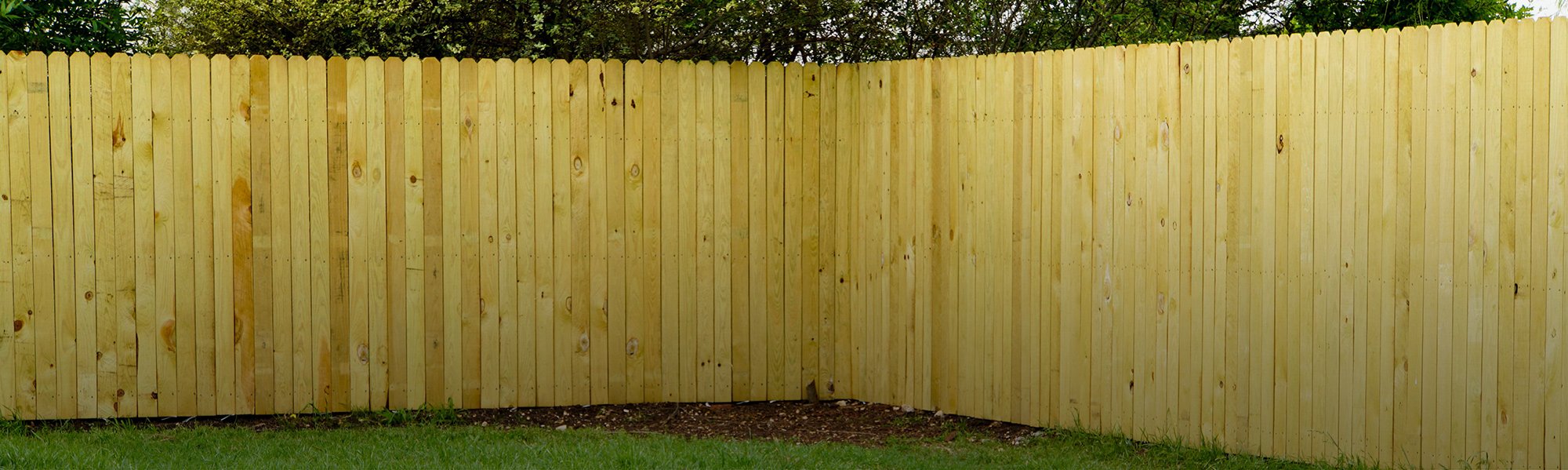
Gate Placement and Accessibility: The Key to Convenience
Gates are the functional entry points of any enclosure. Poorly chosen or improperly placed gates are one of the most common causes of long-term regret for property owners.
How Many Gates Do You Realistically Need?
Relying on a single access point is rarely sufficient for a comfortable, functional layout. Most residential properties benefit from at least two access points. A primary access gate located near the driveway or main side yard path provides routine convenience. A secondary access gate positioned on the opposite side of the home or near utility areas allows quick movement without traversing the entire length of the property.
Having multiple entry points improves cross-property convenience, simplifies lawn maintenance, and makes hosting outdoor gatherings seamless.
Gate Sizing and Equipment Access
Gate width is just as critical as location. Standard pedestrian gates are typically 36 to 42 inches wide, which works perfectly for everyday foot traffic, pets, standard push mowers, and trash cans. Wide pedestrian or utility gates measuring 48 to 60 inches wide accommodate riding mowers, large wheelbarrows, and heavy garden carts. Double gates spanning 8 to 12 feet or more allow access for bobcats, trailers, vehicles, and pool construction equipment.
Working with an experienced fence contractor in Orlando, FL ensures that your gate openings accommodate both your current daily routine and any future property improvements, such as swimming pool installation, large-scale landscaping, or patio additions.
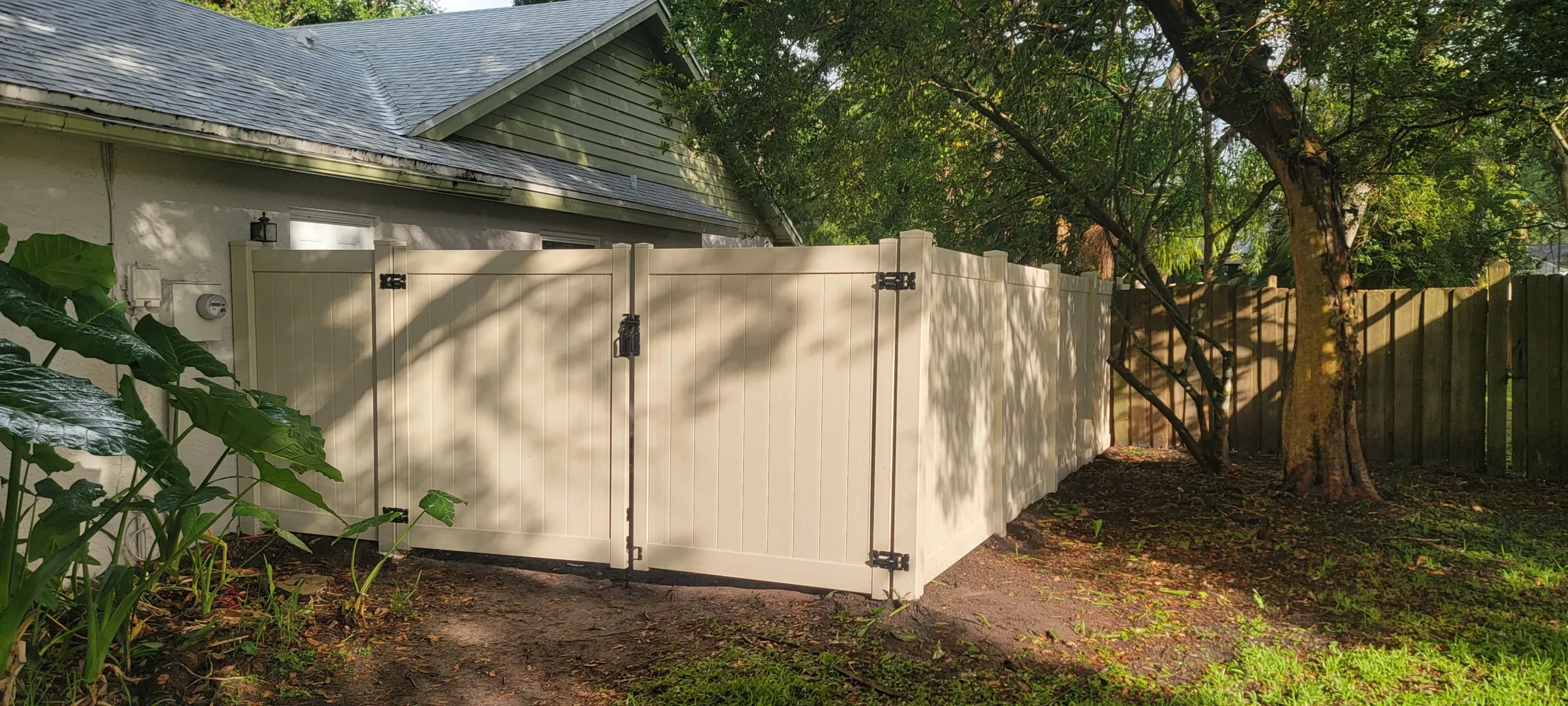
Questions to Ask Before Finalizing Your Installation Plan
To make sure your new boundary enhances your outdoor living experience, work through these essential planning questions before signing a contract or digging post holes.
1. How Will This Structure Interact with Existing Structures?
Look at how the proposed line connects to your house, garage, shed, or patio. Does it block access to hose bibbs, air conditioning units, outdoor electrical outlets, or fuel meters? Utility equipment must remain easily accessible for regular servicing and safety inspections.
2. Does the Design Support Your Pets and Family Dynamics?
If your primary goal is containment for dogs or safety for children, evaluate the height, spacing, and ground clearance of your design. Active dogs may need higher barriers or sturdy solid panels to prevent barking at passersby, while small pets require narrow picket gaps to prevent escapes underneath.
3. How Will the Layout Affect Lawn Maintenance?
Narrow side yards and tight corners created by improper installation can turn routine lawn care into a frustrating chore. Ensure mower blades can clear the space between your boundary line and existing structures like garden walls, trees, or utility boxes. Leaving adequate clearance saves hours of tedious string-trimming later on.
4. What Are Your Local Zoning Rules and HOA Guidelines?
Before commencing any project, review local building codes and Homeowners Association (HOA) covenants. Setbacks, height limitations, style constraints, and finished-side orientation requirements vary widely by neighborhood. Partnering with an established fence installation company in Orlando, FL helps you navigate local permits and structural regulations effortlessly.
Connecting Outdoor Spaces and Preserving Views
A perimeter structure should define your space, not isolate it. When designed thoughtfully, a barrier integrates indoor living areas with the natural beauty outdoors.
Preserving Key Sightlines
Consider the view from inside your home. Windows looking out from the kitchen, living room, or primary suite offer sightlines into the yard. A tall, solid privacy wall right in front of a main window can make indoor rooms feel closed off and dark. In contrast, using open-picket styles, ornamental metal, or lower height profiles in strategic spots preserves scenic views while maintaining clear boundaries.
Blending Architecture with Landscaping
Integrating soft landscaping alongside structural elements softens hard edges and visually anchors the construction into the surrounding landscape. Planting decorative shrubs, climbing vines, or layered garden beds along the border creates a natural transition that makes the enclosure feel like an organic component of your home’s exterior design.
Material Selection: Balancing Functionality, Aesthetics, and Maintenance
The material you select directly impacts both the usability and long-term care of your outdoor area. Each material option brings distinct benefits to the table.
Wood
Traditional wood provides natural charm and versatile customization options. It can be stained or painted to match your home’s trim. However, wood requires ongoing sealing, painting, or staining to prevent rot, warping, and insect damage over time.
Vinyl (PVC)
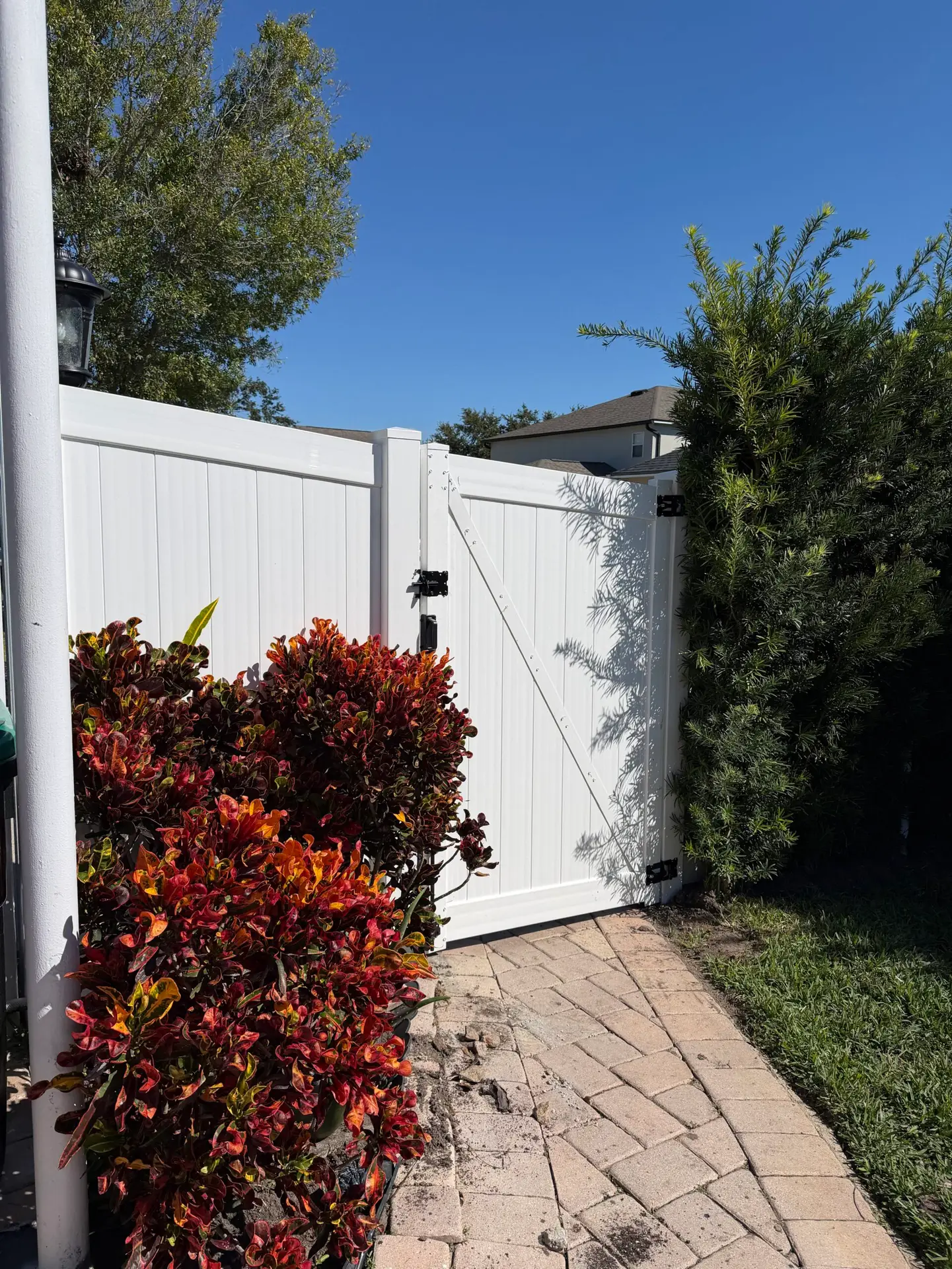
Vinyl is an exceptionally popular choice for modern homeowners seeking durability with minimal upkeep. It resists moisture, will not rot or splinter, and never requires painting. A quality vinyl setup offers long-lasting privacy and clean aesthetic lines.
Aluminum and Steel
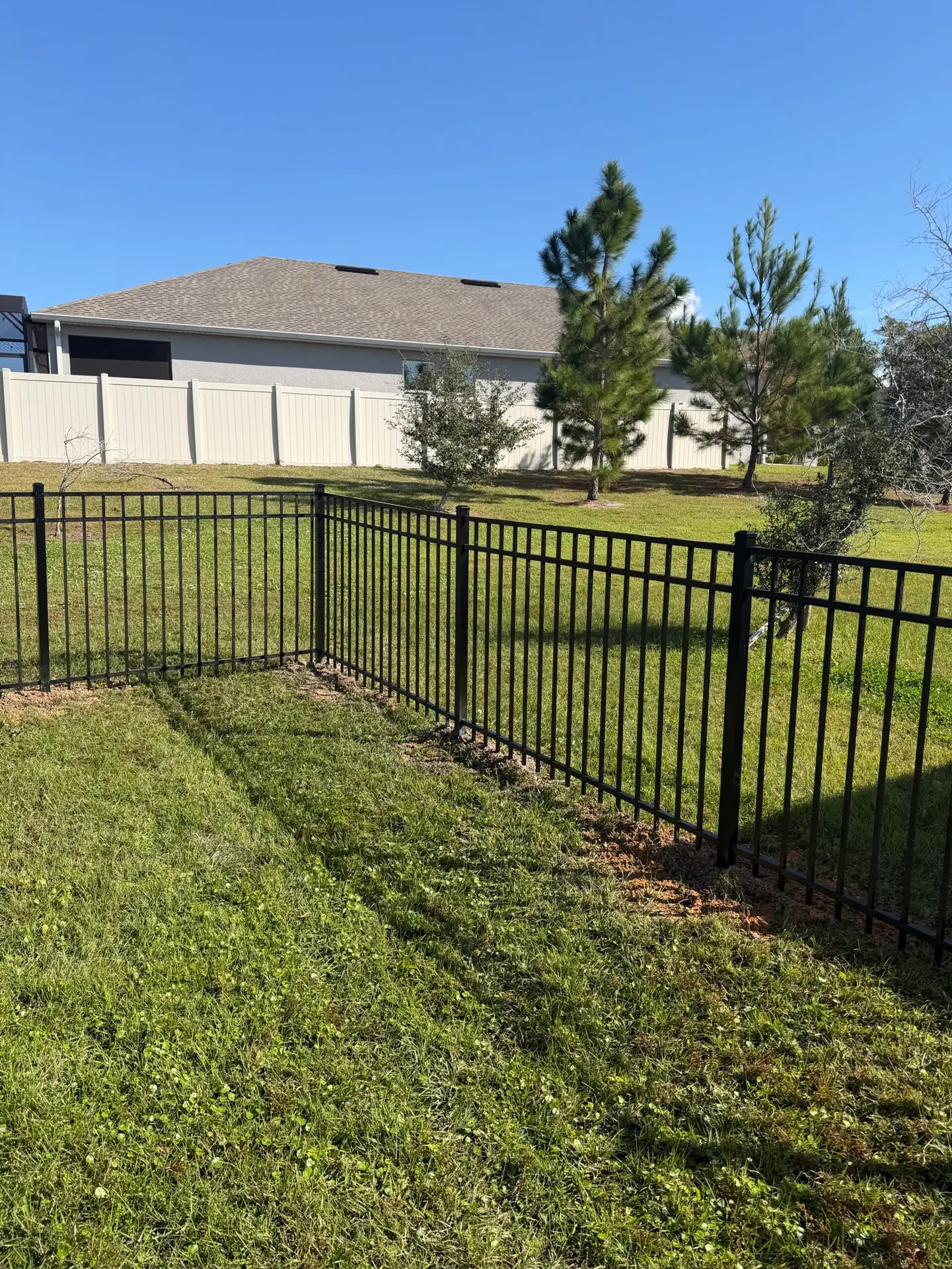
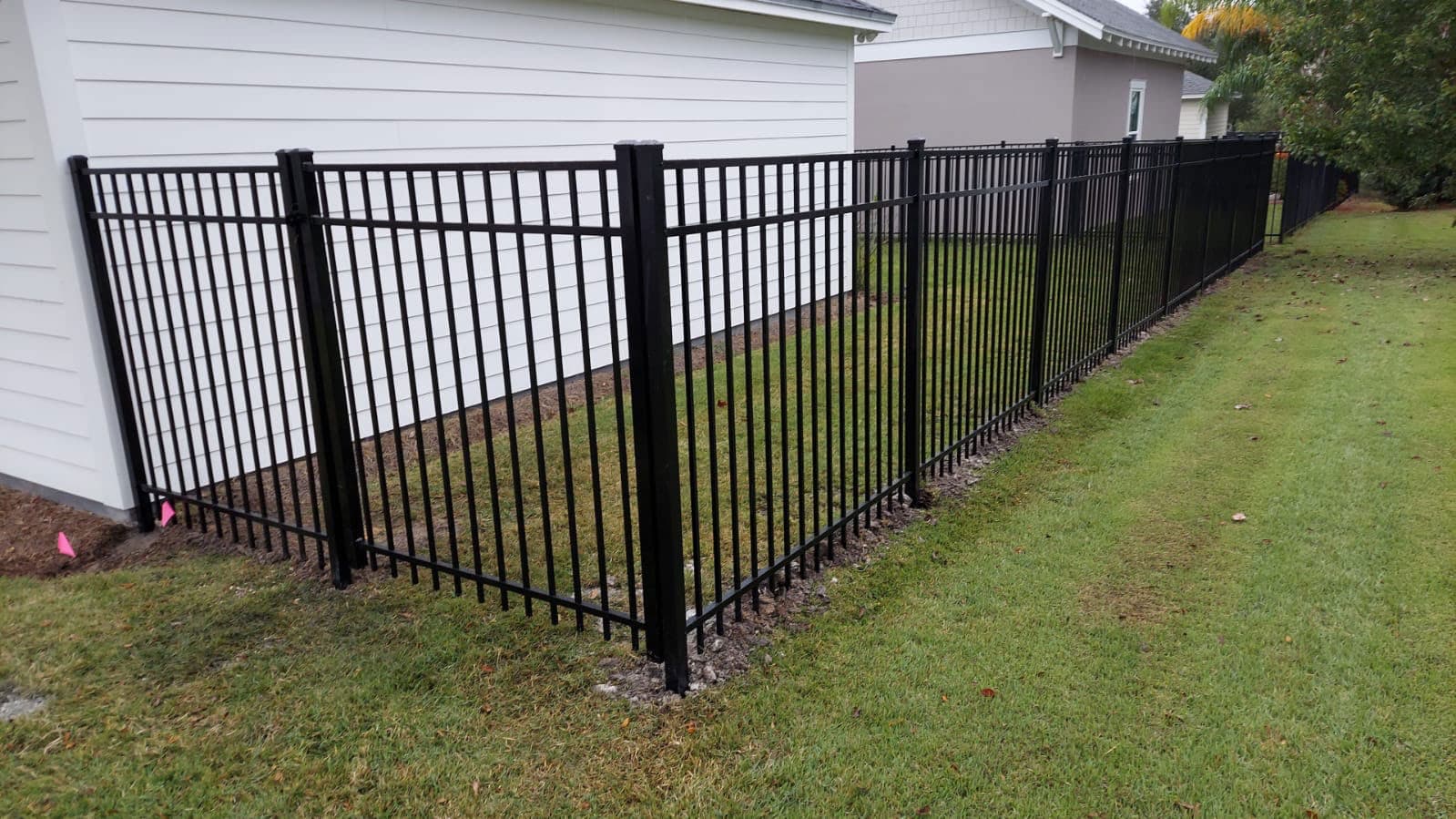
Ornamental metal styles provide exceptional security and boundary definition without blocking light or scenic views. Metal is ideal for enclosing pool areas, defining front boundaries, or accentuating classic architectural themes while retaining open sightlines across your land.
Chain Link
Chain link offers a practical, budget-friendly boundary solution for basic pet and child safety. While it offers minimal privacy on its own, it can be customized with privacy slats or used as a support structure for climbing green vines.
Working with Local Professionals for Lasting Results
Fencing projects involve physical labor, precise layout measurement, underground utility verification, and local regulatory compliance. Attempting a DIY installation without technical expertise can lead to uneven lines, unstable posts, damaged underground utilities, or costly neighborhood disputes over boundary lines.
By partnering with a skilled fence contractor in Orlando, FL, you ensure your project is completed with professional craftsmanship, high-grade materials, and adherence to regional building requirements. Professional installers understand local soil conditions, weather challenges, and drainage considerations, ensuring your structure remains straight, secure, and beautiful for years to come.
Professional installation includes property survey analysis, boundary identification, underground utility line location, precise layout design, gate placement mapping, structural post footing, concrete setting, and final quality alignment checks. When you plan carefully and work with seasoned experts, your backyard fence installation will deliver the ideal balance of privacy, security, safety, and functional outdoor enjoyment for your entire family.
Transforming Your Property with the Right Design
Your outdoor space should be a comfortable sanctuary where you can unwind, entertain, play, and connect with family and friends. Treating your perimeter project as an integral element of landscape architecture guarantees that the final build enhances—rather than restricts—how you live and move outdoors.
Take the time to evaluate traffic flow, map out entryways, account for lawn maintenance equipment, and choose materials that align with your lifestyle and maintenance preferences. When thoughtfully planned and expertly constructed, a high-quality enclosure adds long-term market value, curb appeal, and daily convenience to your home.
If you are ready to upgrade your property, consult with a trusted professional who can turn your functional vision into reality. Expert guidance takes the stress out of planning and ensures that your new enclosure provides maximum enjoyment for years to come.
Ready to Elevate Your Outdoor Living Space?
At Fence Direct, we believe that a great fence should do more than simply line your property—it should elevate how you live in and enjoy your home every day. As a premier fence contractor in Orlando, FL, our dedicated team brings years of hands-on expertise, quality craftsmanship, and tailored design planning to every project we undertake.
Whether you need a complete backyard fence installation to create a safe play area for your family, a privacy enclosure around a pool, or a custom entrance layout, we are here to guide you through every step of the process. From selecting premium materials to expert placement, we deliver durable, beautiful solutions built to last. For any custom fence installation in Orlando, FL, our team is ready to bring your vision to life.
Contact us at Fence Direct today to schedule your personalized design consultation and discover how we can transform your outdoor living space!