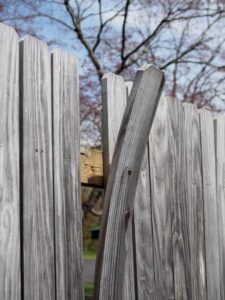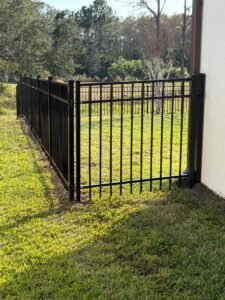
A fence can look fine from the driveway but still have loose posts, weakened connections, or a gate that no longer closes properly. Before the next round of heavy rain or strong winds reaches Central Florida, a quick inspection can help Orlando homeowners identify visible problems that deserve attention.
The Atlantic hurricane season officially runs from June 1 through November 30, according to the National Oceanic and Atmospheric Administration (NOAA). That means fall is still an important time to check your property’s outdoor features and address maintenance concerns.
While no inspection can guarantee that a fence will withstand a hurricane, identifying existing damage can help you make informed decisions about repairs and replacement. Here is what to check before the season ends.
1. Check Fence Posts for Movement
Fence posts support the sections connected to them, so start your inspection by walking along the fence line and looking for signs of movement or deterioration.
Pay attention to posts that appear tilted, cracked, loose at the base, or noticeably out of alignment. Also look for soil erosion around the base, particularly in areas where rainwater collects or flows across the property.
A leaning section may indicate a problem with its supporting post rather than the panel itself. Replacing or adjusting a panel without addressing the underlying issue may not solve the problem.
If several posts appear unstable, consider having the fence assessed before deciding which repairs are needed.
2. Inspect Panels, Rails, and Connections
Next, examine the fence sections between the posts. Look for cracks, loose panels, separated rails, missing fasteners, and visible damage that may have developed over time or during previous storms.
Different materials require different checks:
- Wood fencing:Look for splitting, rot, damaged boards, and loose connections.
- Vinyl fencing:Check for cracked sections, displaced panels, and damaged posts or connectors.
- Aluminum fencing:Inspect rails, pickets, fasteners, and connections for damage or corrosion.
- Chain-link fencing:Look for loose mesh, bent framework, damaged ties, and sagging sections.
Do not assume that a fence is in good condition simply because it remains upright. Small areas of damage may still warrant attention, especially when they affect the connections holding the fence together.
3. Make Sure Gates Open and Close Properly
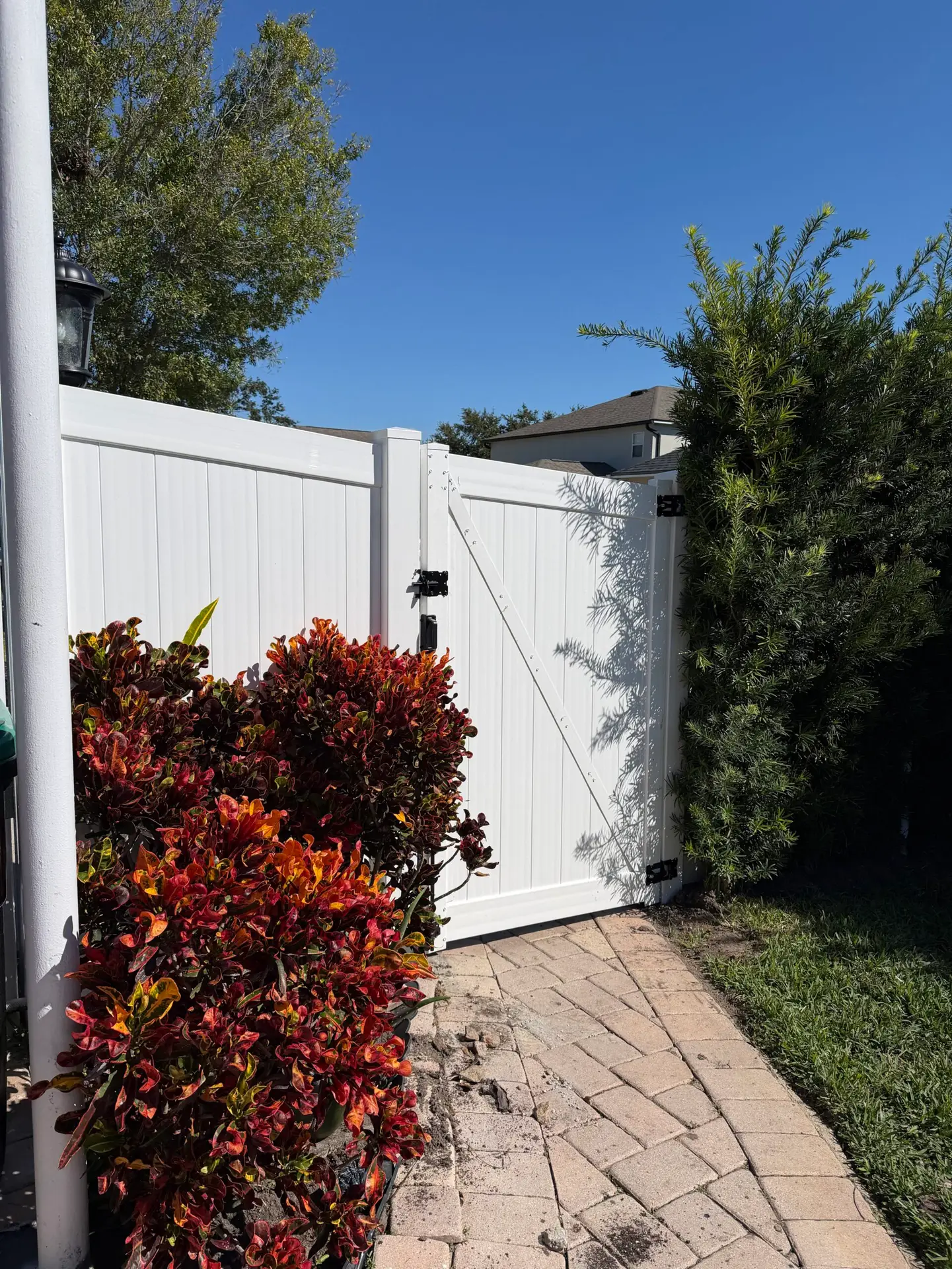
Gates are easy to overlook during routine property maintenance, but their hinges, latches, frames, and supporting posts all deserve attention.
Open and close each gate to check for dragging, sticking, sagging, or difficulty latching. Look for loose hinges, damaged hardware, and gaps that were not present before.
For properties with driveway gates, also consider whether the gate can be operated according to its intended design. Electric gates may need their operating systems and backup arrangements checked according to the manufacturer’s instructions.
The City of Orlando’s hurricane preparedness guidance advises residents to open entrance gates before a storm when necessary to allow access if power is lost and gates cannot be opened manually. Follow the applicable guidance for your property and gate system, prioritising safety and access requirements.
If a gate repeatedly shifts out of alignment, the issue may involve its supporting post or frame rather than the hinges alone.
4. Clear Vegetation Without Waiting for a Storm Warning
Branches, vines, and dense vegetation can make it difficult to inspect a fence and may press against panels or interfere with gates.
During routine maintenance, check whether branches are touching the fence, vines are tangled through the structure, or shrubs are blocking access to posts and hardware. Address manageable vegetation issues well before a storm threatens the area.
However, avoid leaving major yard work until the last minute. The City of Orlando advises residents not to undertake major yard work immediately before a named storm because excess yard waste may not be collected before strong winds arrive.
| Pro tip: Make vegetation checks part of your regular fence inspection instead of treating them as a last-minute storm preparation task. |
5. Look for Drainage and Erosion Problems
Heavy rain can reveal problems that are less noticeable during dry weather. Check the ground along the fence for standing water, washed-out soil, soft areas, or visible erosion around posts.
These conditions do not automatically mean the fence is failing, but they can indicate that the surrounding ground needs attention. Water movement and soil loss may affect the support around fence posts over time.
If you find recurring drainage problems, identify the affected area and consider whether the issue needs professional assessment. Simply adding soil around a post may not address the underlying cause.
Homeowners planning fence installation in Orlando, FL, should also discuss ground conditions and drainage during the planning process, particularly where the property slopes or water regularly collects.
6. When Is Fence Repair Enough, and When Should You Consider Replacement?
Not every damaged fence requires a complete replacement. The right approach depends on the extent of the damage, the condition of the supporting structure, and whether the existing fence still meets your needs.
| What You Notice | What to Consider |
| One loose panel or damaged board | A localised repair may be suitable |
| Loose hinges or a faulty latch | Hardware adjustment or replacement may help |
| One unstable post | The post and surrounding structure may need assessment |
| Damage across several sections | A broader inspection may be appropriate |
| Recurring problems or widespread deterioration | Compare repair needs with replacement options |
If you are searching for fence repair near me, look for a professional who can assess the affected area and explain the available options. For extensive damage, fence replacement may be worth considering if repeated repairs are no longer practical.
A professional assessment can help clarify the scope of the problem. It cannot, however, guarantee that a fence will withstand future hurricane conditions.
7. What Should You Do If a Storm Is Approaching?
Routine maintenance and last-minute storm preparation are two different tasks. Inspecting and repairing a fence is best handled when conditions are safe, and there is enough time to arrange the work.
If a storm is approaching:
- Follow official weather alerts and local emergency guidance.
- Avoid climbing, dismantling, or attempting major fence repairs in hazardous conditions.
- Secure loose outdoor items according to official preparedness guidance.
- Do not approach damaged electrical gate components or downed power lines.
- After the storm, wait until conditions are safe before checking for damage.
If you find a leaning fence, fallen section, or damaged gate after severe weather, keep people away from unstable components until the area can be assessed.

Get Your Orlando Fence Checked Before the Season Ends
A fence inspection is a practical way to identify visible maintenance concerns before they become more difficult to address. Check the posts, panels, gates, hardware, vegetation, and ground conditions, and do not ignore damage simply because the fence is still standing.
At Fence Direct, we help Orlando property owners assess their fencing needs and consider practical repair or replacement options based on the property’s layout, the fence’s condition, and its intended use. Whether you have noticed a loose section, a failing gate, or widespread wear, we can help you determine the next steps for your project.
Contact us today to discuss your fence repair or replacement needs and get your property ready for the remainder of hurricane season.