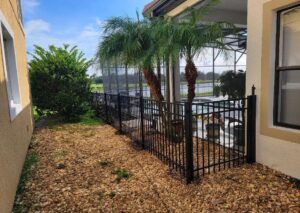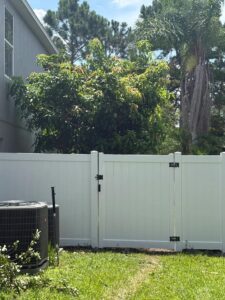
Leaning panels, rotten posts, uneven gates, or repeated repairs may be visible signs in an old fence, but the more useful clues can be found below the fence line. The condition of the posts, soil, drainage, surrounding ground, and even the original layout can explain why the fence deteriorated in the first place.
That makes fence replacement an opportunity to inspect what the existing fence has been sitting in for years, rather than simply removing the old structure and installing another one in the same position.
Start With the Parts That Will Disappear
Once an old fence is removed, some of the evidence that could help with planning can disappear with it. Before demolition, homeowners can document where posts are positioned, where gates open, and where the fence meets other structures.
Pay attention to sections that have failed differently from one another. One post may be leaning while another remains upright. A particular gate may drag against the ground while the rest of the fence remains level. Several damaged sections may also occur along one portion of the property. These differences can point to conditions that should be examined during replacement.
A fence that has failed consistently in one location may be responding to something specific beneath or beside it. Simply copying the previous layout without investigating those areas can carry the same problem into the new installation.
Old Posts Tell a Story
Posts are among the most useful things to inspect during a fence replacement because they have spent years responding to the actual conditions of the property. A leaning post may indicate movement in the surrounding soil. A post that has shifted independently from neighboring posts could have experienced a localized problem. Rot or deterioration near the base can also show where moisture has remained around the post for extended periods.
The condition of removed posts matters too. If several posts show similar deterioration at roughly the same height, that pattern provides information about how moisture, soil, or exposure has affected the fence. The replacement project should account for those observations rather than treating every post location as automatically suitable for reuse.
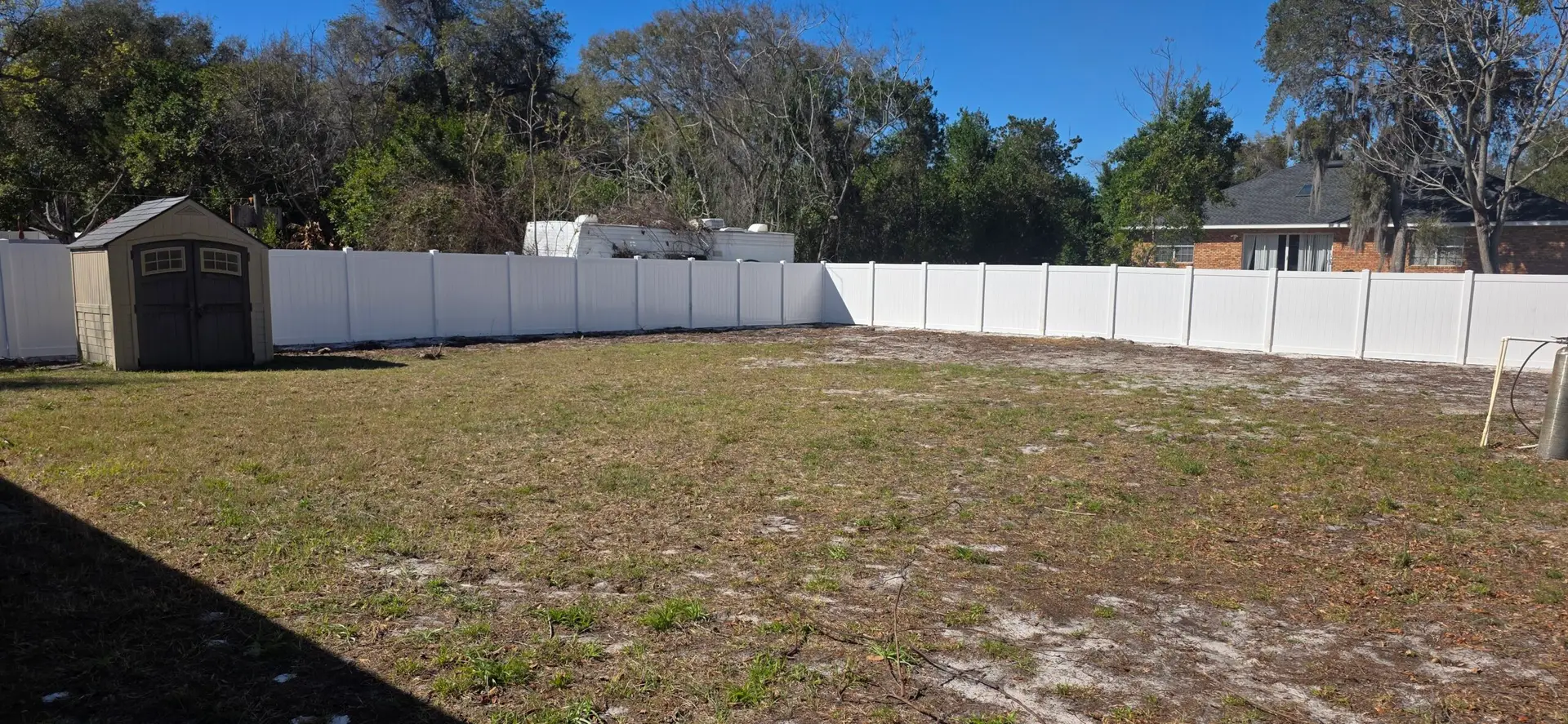
Check Whether the Ground Has Changed
The ground around an old fence may not look the same as it did when the fence was originally installed. Soil can settle, compact, erode, or shift over time. Landscaping projects may have changed the elevation on one side of the fence. Mulch, garden beds, paving, irrigation, and other additions can also alter the conditions immediately surrounding the posts.
This becomes particularly important when the old fence no longer sits at a consistent height above the ground. A replacement fence needs to work with the current property rather than the property as it existed years earlier. Removing the old fence provides an opportunity to see where the ground has changed and determine whether the new layout needs to accommodate those differences.
Do Not Assume the Existing Fence Is on the Correct Line
An existing fence can provide a useful reference, but it should not automatically be treated as proof of the property boundary. Older fences may have been installed before later landscaping, additions, surveys, or ownership changes. In some cases, a fence may have been positioned for convenience rather than precisely along a legal property line.
That makes the removal stage a practical point to revisit the intended boundary before placing a new fence. This is especially relevant when the old fence appears to run unusually close to a driveway, structure, neighboring fence, or other fixed feature. A small difference in placement can affect the available yard space and the position of gates. The goal is not simply to reproduce the old line. It is to confirm where the replacement fence is supposed to go.
Look at What the Old Fence Was Protecting
The area immediately around a fence can reveal how the property has been used. A worn section beside a driveway may show frequent vehicle or pedestrian movement. A gate with damaged hinges may indicate that its opening direction or clearance was inconvenient. A narrow passage between the fence and a house may explain why maintenance became difficult.
These details are easy to overlook when the project is viewed only as replacing damaged panels. The previous fence layout can show where access was needed and where it was restricted. Before installing a replacement, homeowners can reconsider whether gates are located where people actually enter and leave the property, whether equipment can pass through them, and whether the opening provides enough clearance for its intended use.
A Replacement Should Solve the Old Fence’s Problems
The most useful question during fence replacement is not simply, “What should replace this fence?” It is, “Why did this fence reach this condition?”
The answer may involve age and normal wear, but it can also involve shifted posts, changing ground levels, poor gate placement, property-line questions, water movement, or years of modifications around the fence.
Examining those factors before installation gives the replacement project more useful information to work with. The old fence has already spent years interacting with the property. Its condition can reveal where the property has changed, where the previous layout worked, and where it did not. Replacing it is therefore more than removing an old barrier. It is an opportunity to understand the conditions that shaped the old fence before putting a new one in its place.
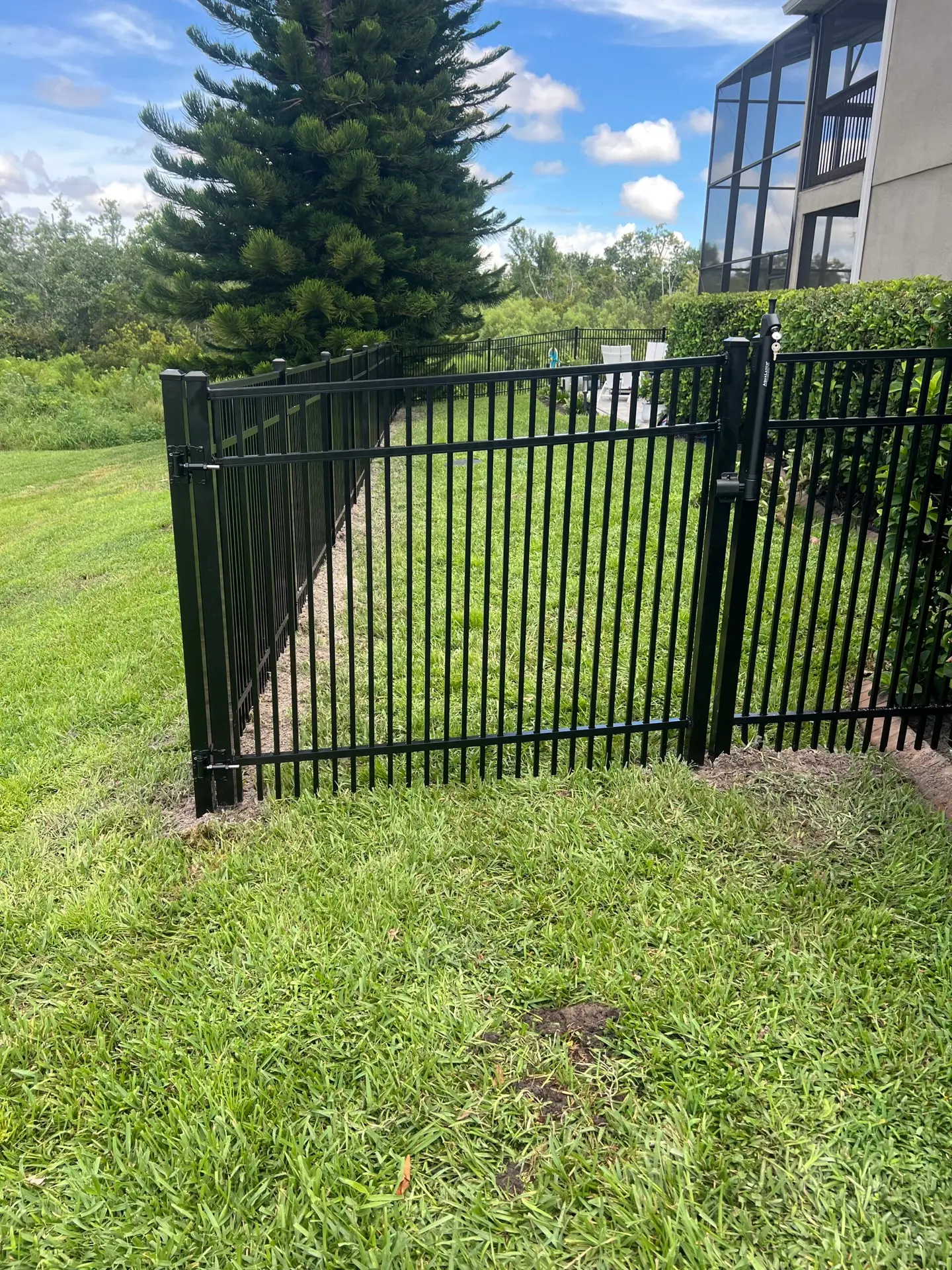
The condition of an old fence can provide useful information about what a property needs from its next one. At Fence Direct, our fence contractors can help evaluate the existing layout and plan professional fence replacement around current site conditions. We provide several fence installation options, including vinyl fence installations, wood fences, aluminum fences, and chain link fences. With nearly 20 years of experience and permit handling included, we help property owners in Fort Myers, FL, move from an aging fence to a practical replacement suited to the property. Fence Direct has also acquired SunState Fence, operations included.
Contact Fence Direct for a free estimate.