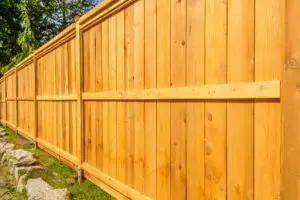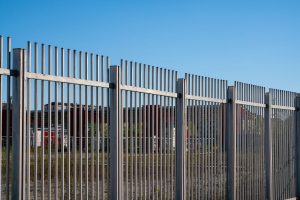
HOA approved fence requirements can vary significantly from one community to another, making it important for homeowners to review their specific HOA guidelines before selecting a fence. While many homeowners associations allow fencing, restrictions often apply to materials, colors, heights, styles, and placement.
- Community rules vary: Every HOA has its own fencing requirements and approval process.
- Approval may be required: Many communities require written approval before installation begins.
- Planning helps avoid delays: Understanding HOA guidelines early can simplify the process.
Understanding HOA Fence Requirements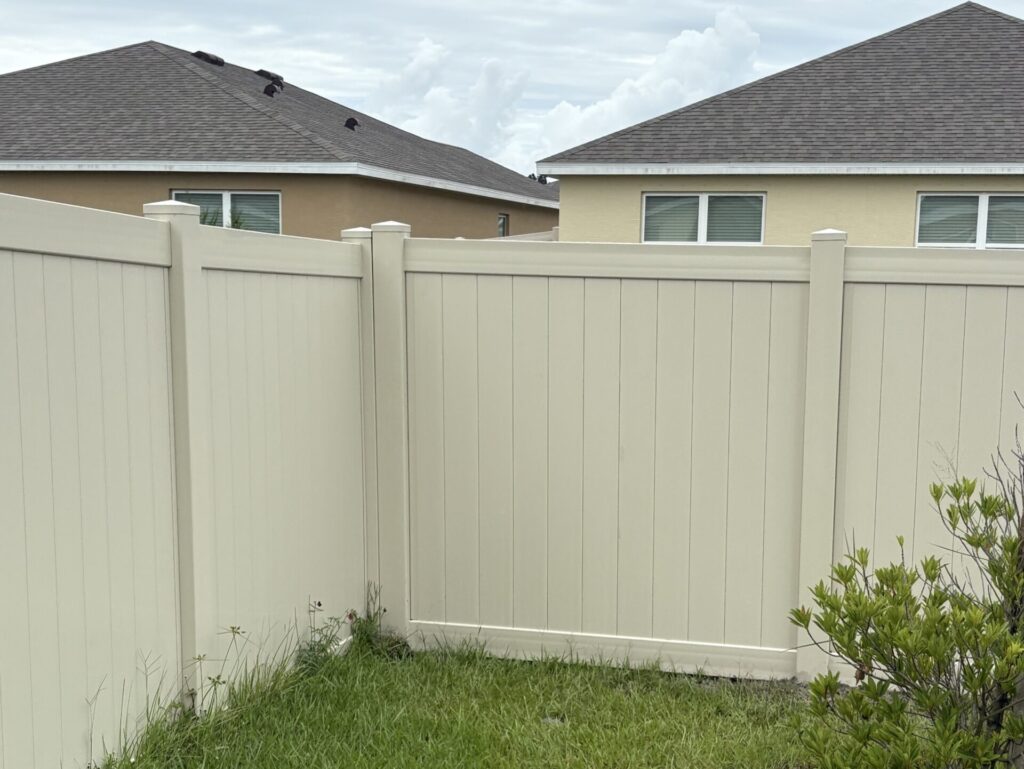
Before installing a new fence, homeowners should understand that HOA regulations are not universal. What is approved in one neighborhood may not be allowed in another, which is why reviewing your governing documents is an important first step.
Every HOA Has Different Fence Rules
Some communities have detailed fencing requirements, while others provide broader guidelines. Homeowners should always verify current requirements directly with their HOA before making any decisions.
- Material restrictions: Some HOAs only allow specific fence materials.
- Style guidelines: Certain designs may be preferred or prohibited.
- Color requirements: Communities may limit approved color options.
Approval Is Often Required Before Installation
Many HOAs require homeowners to submit plans and receive approval before fence installation begins. Skipping this step can create complications later.
- Application process: Homeowners may need to submit fence details for review.
- Review timelines: Approval timelines vary by community.
- Documentation requirements: Some HOAs request site plans or product information.
Local Regulations May Also Apply
In addition to HOA requirements, homeowners may also need to comply with local permitting regulations and property setback requirements.
- Permit requirements: Local jurisdictions may require permits.
- Property boundaries: Fence placement should align with property lines.
- Additional regulations: Local rules may impact fence height or location.
6 Common HOA Fence Rules In 2026
While requirements vary, several fence regulations appear frequently across many homeowner associations. Reviewing these common guidelines can help homeowners better prepare for the approval process.
1. Approved Fence Materials
Many HOAs specify which fence materials are allowed within the community. Certain materials may be encouraged because they create a consistent neighborhood appearance.
- Vinyl fencing: Commonly approved in many residential communities.
- Aluminum fencing: Often accepted for decorative and pool fencing.
- Material consistency: Some HOAs limit material choices for uniformity.
2. Fence Height Restrictions
Fence height limitations are one of the most common HOA requirements. Restrictions often vary depending on the location of the fence on the property.
- Front yard limitations: Lower fence heights may be required.
- Backyard allowances: Taller privacy fences may be permitted.
- Community standards: Height requirements vary by HOA.
3. Approved Fence Colors
Many communities regulate fence colors to maintain a cohesive neighborhood appearance.
- Neutral colors: White, tan, and similar shades are often common.
- Color consistency: Some communities limit color selections.
- Design standards: Approved colors may vary by neighborhood.
4. Fence Style Requirements
HOAs may regulate the overall appearance of fencing, including decorative features and design elements.
- Privacy fence styles: Some communities allow specific privacy fence designs.
- Decorative fencing: Certain ornamental styles may be approved.
- Visual consistency: Fence appearance often plays a role in approval decisions.
5. Property Line And Placement Rules
Fence placement is another common area of HOA regulation. Homeowners may need to follow specific setback requirements.
- Property boundaries: Placement should align with approved locations.
- Community setbacks: Certain distances may be required.
- Neighbor considerations: Placement requirements can vary.
6. Gate And Entry Requirements
Some HOAs also regulate gates and access points to maintain consistency throughout the community.
- Gate design: Certain styles may be preferred.
- Size limitations: Requirements may apply to gate dimensions.
- Appearance standards: Gate designs may need to match the fence.
Popular Fence Styles Often Accepted By HOAs
Although every HOA is different, some fence styles are commonly approved because they provide a clean and attractive appearance.
Vinyl Privacy Fencing
Vinyl privacy fencing is a popular choice in many communities because it provides privacy while maintaining a neat and consistent appearance.
- Clean appearance: Creates a polished look for residential properties.
- Privacy benefits: Helps create enclosed outdoor spaces.
- Low maintenance: Requires minimal ongoing upkeep.
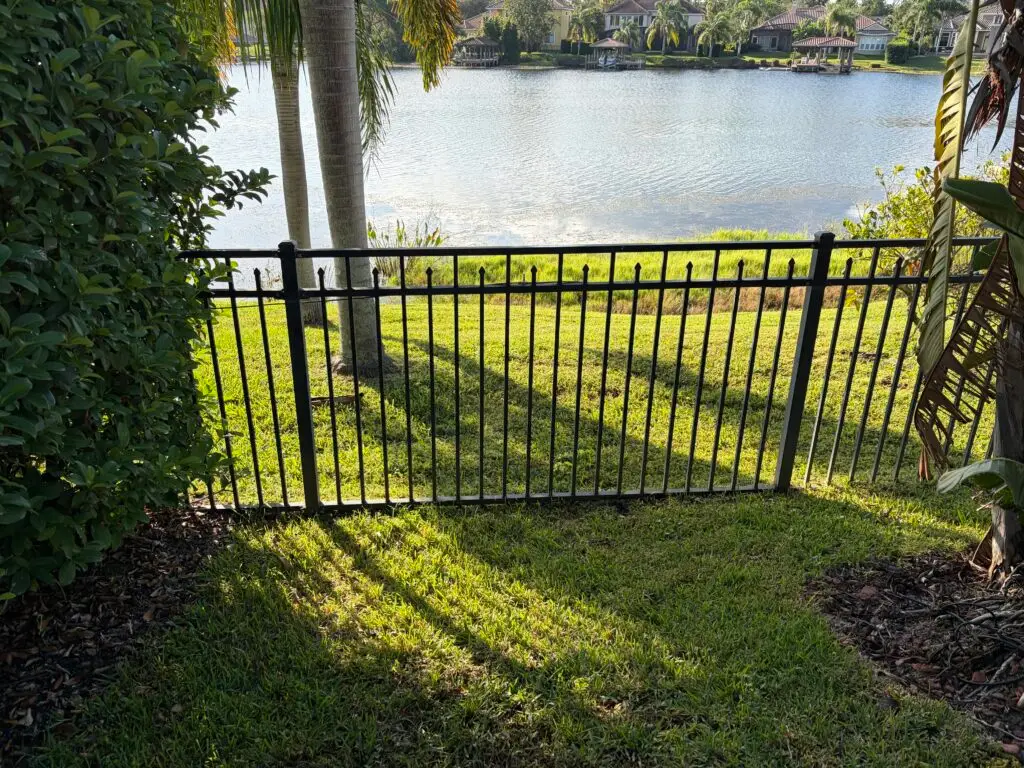
Aluminum Fencing
Aluminum fencing is often used around pools, front yards, and decorative property boundaries because it offers security while maintaining visibility.
- Open visibility: Maintains sightlines across the property.
- Decorative appeal: Provides an attractive appearance.
- Durable design: Built for long-term outdoor use.
Decorative Picket Fencing
Some communities allow picket fencing in front yards or decorative applications where full privacy is not required.
- Traditional appearance: Creates classic curb appeal.
- Defined boundaries: Helps establish property lines.
- Decorative value: Enhances outdoor aesthetics.
HOA Approval Tips For Homeowners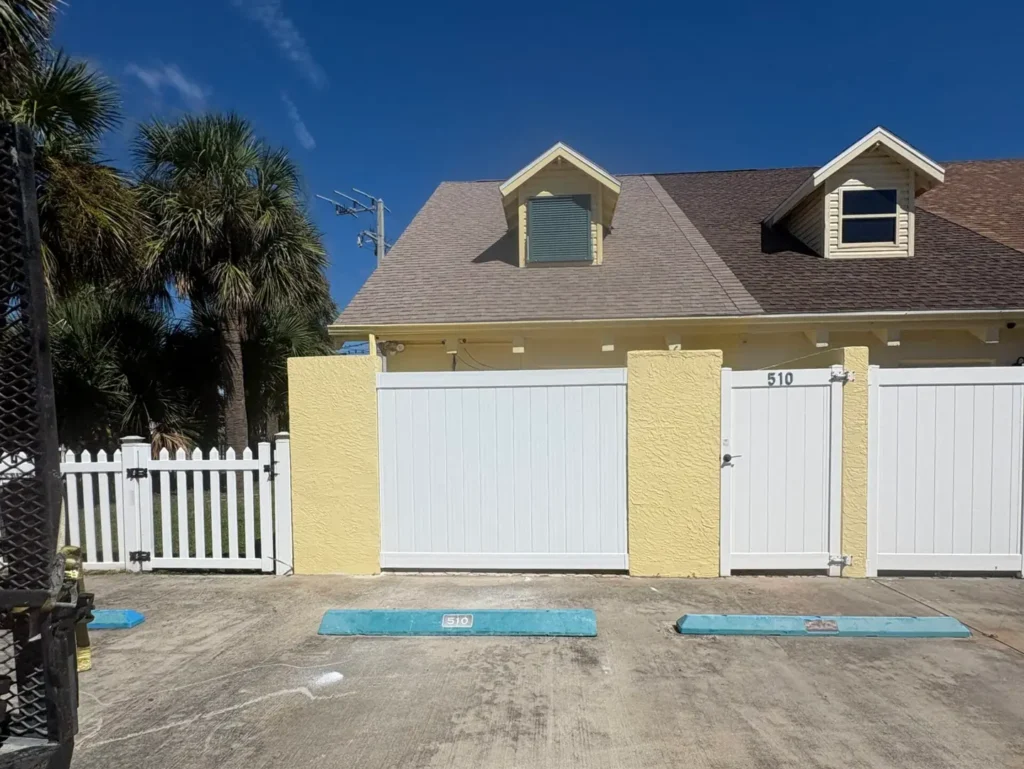
Preparing properly can help homeowners avoid delays and improve the likelihood of a smooth approval process. Taking a proactive approach often saves time and frustration.
Review HOA Documents Before Choosing A Fence
Fence selection should start with reviewing current HOA guidelines. This helps prevent homeowners from choosing a fence that may not be approved.
- Understand restrictions: Review all fence-related requirements.
- Verify current rules: HOA guidelines may change over time.
- Avoid surprises: Early research helps prevent issues later.
Submit Complete Documentation
Providing complete information can help speed up the review process and reduce requests for additional details.
- Fence specifications: Include material and style information.
- Property plans: Submit required layouts or drawings.
- Application accuracy: Complete submissions may reduce delays.
Work With An Experienced Fence Contractor
Experienced fence contractors often have experience working within HOA communities and can help homeowners navigate the process more efficiently.
- Product knowledge: Helps identify fence styles that may meet community guidelines.
- Installation expertise: Supports proper fence placement and construction.
- Professional guidance: Helps homeowners prepare for installation.
Get Expert Help Choosing An HOA Approved Fence
An HOA approved fence depends entirely on your specific community’s rules, requirements, and approval process. Because every HOA is different, homeowners should always review their governing documents and obtain any required approvals before installation begins.
Fence Direct helps homeowners navigate fence selection while providing professional installation services designed to meet their property’s needs. Whether you are considering vinyl, aluminum, or decorative fencing, our team can help you explore options and prepare for the approval process. Contact Fence Direct today for expert guidance and a free estimate for your new fence installation.