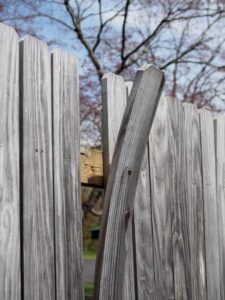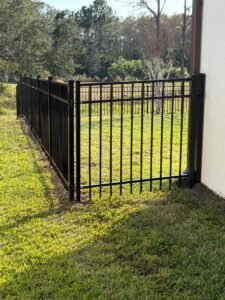
A fence can look perfectly fine on an ordinary Florida afternoon and still have small problems worth addressing before the next round of severe weather. A loose post, damaged panel, failing gate latch, or overgrown branch may not seem urgent today, but these issues deserve attention while hurricane season is still underway.
The Atlantic hurricane season officially runs through November 30. For Winter Haven homeowners, fall is a good time to inspect the fence line, address visible problems, and make sure gates and surrounding areas are in good working order.
Here is what to check before the season comes to a close.
Start With the Fence Posts
Fence posts provide the structural support for the sections attached to them, so they should be one of the first things you inspect.
Walk along the fence and look for posts that appear:
- Leaning or noticeably out of alignment
- Loose at the base
- Cracked, split, or visibly damaged
- Surrounded by soil erosion or unusual gaps
- No longer supporting the attached fence section properly
Do not assume that a leaning post is only a cosmetic problem. Movement at one point in the fence can affect connected sections, particularly when the property experiences strong wind or heavy rain.
If a post is unstable, it is worth having the condition assessed rather than waiting for a larger section to fail.
Check out our fence installation projects.
Check Panels, Rails, and Sections
Next, inspect the fence itself from one end to the other. Look for loose panels, separated rails, cracked components, missing fasteners, or sections that have shifted from their original position.
Different fence materials show wear differently. Wood may develop splitting, rot, or other visible deterioration. Metal fencing may show corrosion or damaged connections. Vinyl sections can crack or become loose after impact.
A simple visual inspection can help you identify problems while they are still relatively localized.
If several sections are damaged or the fence has recurring problems, a repair may not always be the most practical option. A professional can evaluate the overall condition and help determine whether individual repairs or fence replacement makes more sense.
Give Your Gates Extra Attention
Gates deserve their own inspection because they contain moving parts and are frequently used.
Open and close each gate several times. Check whether it swings, rolls, or closes properly and whether the latch engages securely.
Pay attention to:
- Loose hinges
- Damaged latches
- Sagging gates
- Misalignment
- Sticking or difficult movement
- Posts that shift when the gate moves
A gate that has gradually become harder to operate may be showing signs of movement or hardware wear.
For homeowners considering a new entrance or replacement gate, planning the gate as part of the overall fence project can help create a more functional property layout.

Clear Vegetation Around the Fence
Florida landscaping can grow quickly, and vegetation that reaches or rests against a fence should be addressed during a seasonal inspection.
Trim branches that are pressing against fence sections, remove vines that have become tangled in the structure, and keep heavy vegetation from obscuring posts or gates.
The goal is not to make a property completely bare. It is simply to keep trees, branches, and dense growth from creating additional problems around an already vulnerable fence.
This is also a good opportunity to make sure gates have clear access and that plants are not interfering with hinges, latches, or opening paths.
Look for Water and Drainage Problems
Heavy rain can expose drainage issues around a property. Walk the fence line after rainfall when practical and look for areas where water collects, soil has washed away, or the ground appears unusually soft around posts.
Drainage conditions can matter because repeated water exposure and soil movement may affect the area supporting a fence.
If you notice erosion or standing water near a post, do not simply cover the area with additional soil and assume the problem is resolved. The underlying drainage or installation condition may need closer attention.
Use This Fall Fence Inspection Checklist
A quick inspection can be easier when you know exactly what to look for.
| Fence Area | What to Check |
| Posts | Leaning, movement, cracks, erosion |
| Panels | Cracks, loose sections, gaps, damage |
| Rails | Separation, bending, loose connections |
| Gates | Hinges, latches, alignment, operation |
| Hardware | Missing, loose, or damaged fasteners |
| Vegetation | Branches, vines, heavy growth |
| Ground | Erosion, standing water, soft areas |
This inspection does not replace professional evaluation, but it can help homeowners spot visible issues before severe weather arrives.
When Should You Call a Fence Contractor?
Not every fence problem requires immediate replacement. A single damaged component may be repairable, while widespread deterioration may point toward a larger project.
Consider contacting a fence company in Winter Haven if you notice multiple problems or are unsure about the condition of your fence.
A professional inspection can help determine whether the issue involves a post, panel, hardware, gate, or a larger section of the installation.
For homeowners planning fence installation projects, fall can also be a useful time to discuss property needs before waiting until a storm causes damage.
Do Not Wait for the Next Storm Warning
The City of Winter Haven provides hurricane preparedness resources and encourages residents to prepare before a significant event occurs. Its emergency information page also directs residents to the city’s current storm-related announcements and resources.
That same principle applies to your fence.
Waiting until a storm is approaching can leave little time to address loose posts, damaged gates, or other visible concerns. A routine fall inspection gives you an opportunity to identify problems while there is still time to arrange repairs or plan a replacement.
If you are in need of a fence contractor in Polk County, FL, for a closer assessment, choose a company that can evaluate the fence as a complete system rather than focusing only on the most obvious damaged section.

A Fall Check Can Prevent Bigger Surprises
No fence inspection can guarantee protection against hurricane-force weather, and homeowners should always follow official emergency and evacuation guidance when a storm threatens.
But identifying visible damage, correcting maintenance issues, and addressing failing components can help you keep your property in better condition throughout the remainder of hurricane season.
At Fence Direct, we can inspect your fencing needs, discuss repair or replacement options, and help you plan a fence that fits your Winter Haven property and how you use it. Contact our team of fence contractors to get started before the season ends.