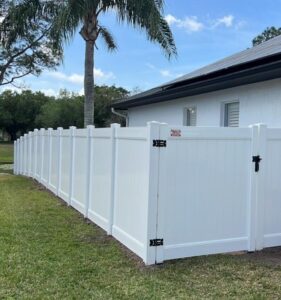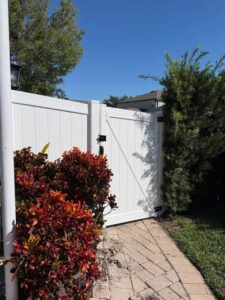
A fence is a fixed feature, but the activity around it is anything but fixed. Good residential fence planning starts by identifying what must move through the property, which areas need regular access, and how those needs may change after installation.
That matters for residential fencing in Fort Myers, FL because a layout can look sensible on paper and still create daily inconvenience if the gates are too narrow, maintenance routes are blocked, or utilities were not considered. Our fence installation process includes a property evaluation before the final design is selected.
Think About What Has to Pass Through the Gate
Pedestrian access is only the starting point. Lawn mowers, wheelbarrows, trash containers, bicycles, outdoor furniture, grills, and maintenance equipment may all need to pass through a gate, and their width can matter more than expected once the fence is in place. It also helps to think about awkward loads, not just the width of the item itself. A mower may fit through an opening but still be difficult to maneuver if the approach is tight or the gate cannot open fully.
A useful gate should also open into a space where that equipment can turn and move without striking a wall, planting bed, pool deck, or parked vehicle. Planning the route as well as the opening helps prevent a gate from becoming a bottleneck during ordinary yard work.

Utilities and Digging Need Attention Before Posts Go In
Fence posts require excavation, so underground utilities should be part of the plan before work begins. Sunshine 811 says anyone planning to dig in Florida should submit a locate request at least two full business days before excavation so member utility companies have time to mark their facilities. Its When Can I Dig guidance also explains the 24-inch tolerance zone around marked facilities.
Public utility marking does not identify every line on private property. Sunshine 811’s information on private underground facilities notes that irrigation, landscape lighting, invisible pet fences, private electric lines, and similar systems may require separate attention. That is especially relevant when a new fence crosses a side yard or runs near pools, sheds, or detached structures.
Pets, Children, and Pool Areas Change Access Needs
Household routines can affect gate position and hardware choices. A gate used several times a day for pets or children should be convenient enough that people actually use it correctly rather than taking shortcuts around the property. Pet size, digging habits, and the way a dog approaches a gate may influence the most useful location, while families with young children may prefer a route that keeps the gate in clear view from the home. These are lifestyle considerations rather than one-size-fits-all rules.
For properties with pools, ordinary convenience has to be considered alongside the applicable barrier rules. Florida law includes specific requirements for residential pool barriers and access gates, including self-closing and self-latching features in certain circumstances. Homeowners should review the state pool barrier requirements when the fence forms part of a pool enclosure.

Maintenance Crews and Deliveries Need a Practical Route
Landscapers, pool technicians, pest-control crews, and other service providers may need access without moving equipment through the house. A well-positioned side gate can make those visits easier while keeping the rest of the yard arranged the way the household prefers. The path beyond the gate should be considered too. A gate that opens directly into a narrow corner, dense planting, or an air-conditioning unit may technically provide access while still making routine service work unnecessarily difficult.
The same logic applies to occasional large deliveries. A homeowner who expects to add a shed, replace patio furniture, or bring in landscaping materials later may benefit from planning a wider access point during gate installation rather than trying to modify a finished fence afterward.
Plan for Changes You Can Already Anticipate
No one can predict every future project, but obvious possibilities deserve attention. Pools, patios, sheds, gardens, play equipment, parking changes, and new pets can all alter how people move through the yard, so the fence should not make likely improvements harder than necessary. Drainage and easements deserve similar attention because they can affect where posts belong and whether future work needs access along an edge of the property. Checking those constraints before installation is usually easier than redesigning a finished section later.
It is also helpful to think about where people naturally walk when carrying groceries, taking trash out, moving a bicycle, or reaching the driveway. A gate placed a few steps away from that route may seem like a minor compromise during design, but repeated every day it can become one of the most noticeable frustrations in the finished project. Small route decisions are easy to solve before installation and much harder to change once posts, panels, and hardware are already in place.
FAQs About Residential Fence Planning
How wide should a residential fence gate be?
There is no single width that fits every property. The gate should be planned around the largest items or equipment that reasonably need to pass through it, while also considering available space, swing direction, hardware, and local requirements.
Should underground utilities be checked before fence installation?
Yes. Fence posts involve digging, so utility locating should happen before excavation begins. In Florida, the party doing the digging is responsible for contacting Sunshine 811, while private lines such as irrigation or landscape lighting may need separate locating.
Is it worth planning for future yard projects now?
Yes, especially for projects that are reasonably likely. Leaving practical access for a future shed, pool area, patio renovation, landscaping project, or larger equipment can reduce the chance that a finished fence later becomes an obstacle to planned improvements.

Small Planning Decisions Can Prevent Daily Frustration
We approach fence installation by looking at how the property is used as well as the material and style of the fence. We also serve communities across Lee County, including Fort Myers, Cape Coral, Lehigh Acres, Bonita Springs, Estero, and nearby areas listed on our site.
A good fence company should help you think about access before the posts are set. If you are planning a new boundary and want to discuss the practical details first, contact Fence Direct to request an estimate.