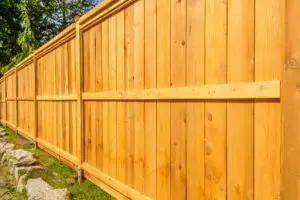
Vinyl fence installation is one of the most popular fencing solutions for homeowners who want privacy, durability, and low maintenance in one package. Understanding the installation process, common cost factors, and expert recommendations can help homeowners make informed decisions before investing in a new fence.
- Low maintenance: Vinyl fencing does not require regular painting or staining.
- Strong curb appeal: Clean lines and consistent finishes enhance property appearance.
- Long-term durability: Quality vinyl fencing is designed for years of outdoor use.
Why Homeowners Choose Vinyl Fence Installation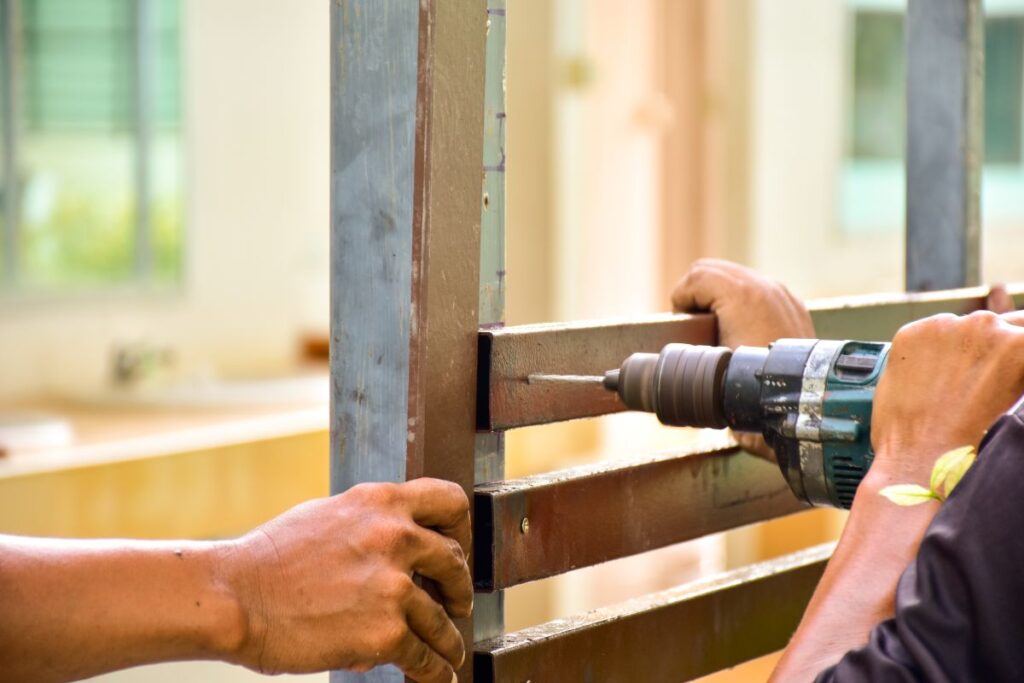
Vinyl fencing continues to grow in popularity because it offers a balance of appearance, performance, and convenience. Many homeowners choose vinyl when looking for a fencing solution that requires minimal upkeep while providing privacy and security.
A Popular Choice For Privacy And Security
Many vinyl fence styles are designed to create enclosed outdoor spaces while helping define property boundaries. This makes them a common choice for backyards, pool areas, and residential properties.
- Enhanced privacy: Solid panels help reduce visibility into the yard.
- Defined boundaries: Creates clear separation between properties.
- Added security: Helps create a more controlled outdoor environment.
Less Maintenance Than Traditional Wood Fencing
One of the biggest advantages of vinyl fencing is how little maintenance it requires compared to wood fencing. Homeowners can spend less time on upkeep and more time enjoying their outdoor space.
- No painting required: Vinyl maintains its appearance without repainting.
- Simple cleaning: Occasional washing helps keep the fence looking clean.
- Reduced upkeep: Fewer maintenance tasks throughout the year.
Built For Long-Term Performance
Vinyl fencing is designed to provide reliable performance for years when properly installed. Strong materials and quality installation help support long-term durability.
- Durable materials: Built to handle everyday outdoor conditions.
- Consistent appearance: Maintains a clean look over time.
- Long-lasting value: Can provide years of reliable use.
8 Steps In The Vinyl Fence Installation Process
Understanding the installation process helps homeowners know what to expect when planning a new fence. While exact steps may vary depending on the property, most installations follow a similar sequence.
1. Evaluate The Property And Fence Layout
The first step involves reviewing the property and determining where the fence will be installed. Proper planning helps ensure a smoother installation process.
- Property review: Helps determine fence placement.
- Layout planning: Establishes fence lines and gate locations.
- Project preparation: Creates a clear installation plan.
2. Confirm Property Boundaries
Before installation begins, property boundaries should be identified to help avoid placement issues.
- Boundary verification: Helps ensure proper fence placement.
- Property awareness: Reduces the risk of installation conflicts.
- Planning accuracy: Supports a more organized process.
3. Check Local Requirements
Many areas have permitting requirements or HOA guidelines related to fencing. These should be reviewed before installation begins.
- Permit considerations: Some locations require approvals.
- HOA compliance: Certain neighborhoods may have restrictions.
- Installation readiness: Helps avoid unnecessary delays.
4. Mark Fence And Gate Locations
Fence lines, gate openings, and post locations are marked before digging begins. This step helps maintain alignment throughout the installation.
- Fence alignment: Creates a straight fence layout.
- Gate planning: Establishes access points.
- Installation accuracy: Helps prevent layout errors.
5. Install Fence Posts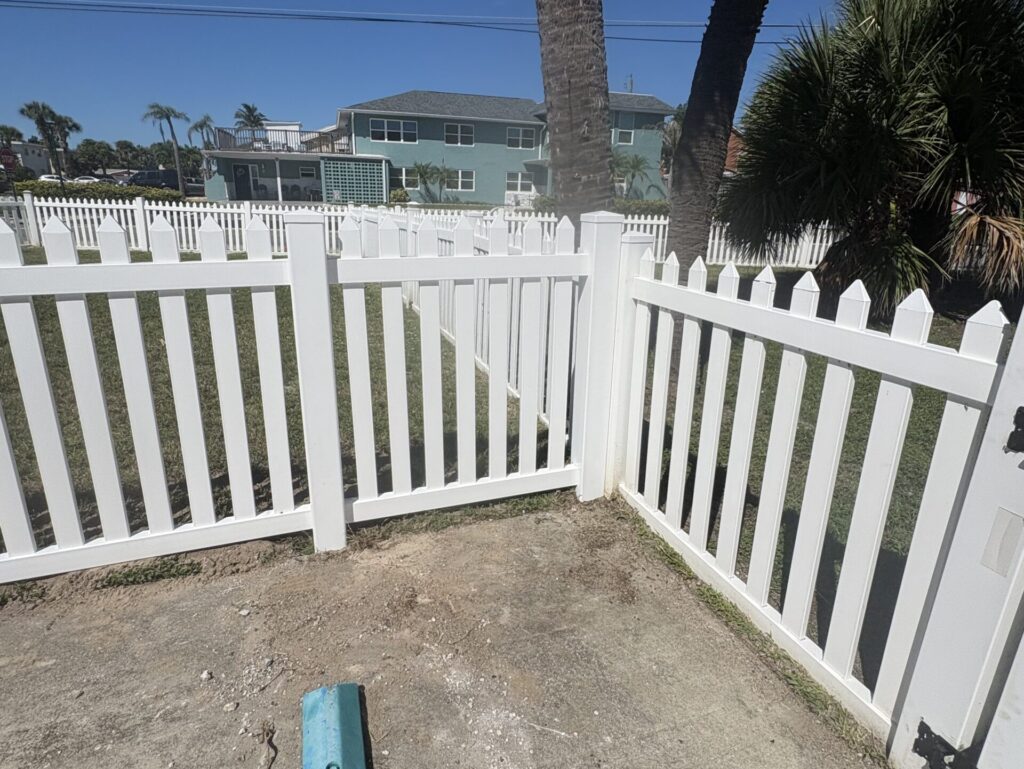
Fence posts provide the foundation for the entire fence system. Proper post placement is critical for long-term stability.
- Structural support: Posts provide the fence’s foundation.
- Accurate spacing: Proper placement supports alignment.
- Long-term stability: Helps maintain fence performance.
6. Attach Rails And Fence Panels
Once the posts are installed, rails and fence panels are attached to create the main structure of the fence.
- Fence assembly: Connects the fence components.
- Panel installation: Creates privacy and structure.
- Consistent appearance: Helps maintain uniform fence lines.
7. Install Gates And Hardware
Gates and hardware are added after the primary fence structure is complete. Proper installation ensures smooth operation.
- Gate functionality: Provides secure access points.
- Hardware installation: Supports reliable operation.
- Finished appearance: Completes the fence system.
8. Final Inspection And Cleanup
The final step involves reviewing the installation and ensuring everything is functioning properly before the job is complete.
- Quality review: Confirms proper installation.
- Fence inspection: Identifies any final adjustments.
- Site cleanup: Leaves the property clean and organized.
What Affects Vinyl Fence Installation Costs
Vinyl fence installation costs vary based on several factors. Understanding these elements can help homeowners budget more effectively.
Fence Size And Total Length
The amount of fencing needed plays a major role in overall installation pricing. Larger properties require additional materials and labor.
- Fence footage: More fencing increases material costs.
- Expanded layouts: Larger properties require more labor.
- Additional sections: Longer fence lines affect pricing.
Fence Style And Design Options
Different vinyl fence styles come with different material requirements and design features.
- Privacy fencing: Solid panels may require more materials.
- Decorative features: Specialty designs can affect costs.
- Custom layouts: Unique styles may increase labor needs.
Property Conditions And Accessibility
Installation conditions can influence the amount of labor required to complete the fence.
- Terrain challenges: Uneven ground may require adjustments.
- Access limitations: Difficult areas can impact efficiency.
- Site preparation: Property conditions may affect installation.
Professional Tips For A Successful Vinyl Fence Installation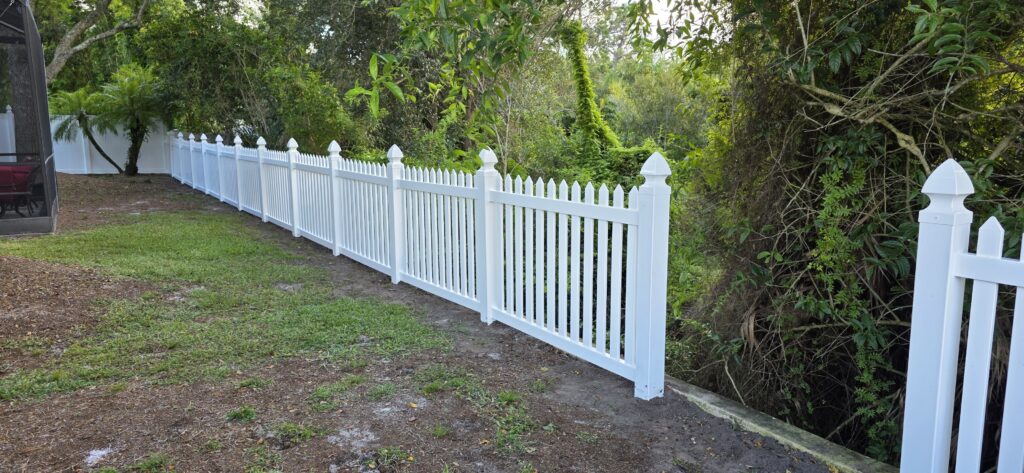
Planning ahead and working with experienced professionals can help homeowners maximize the value of their investment.
Prioritize Quality Materials
Not all vinyl fencing products are the same. Choosing quality materials can help support better long-term performance.
- Better durability: Quality materials often last longer.
- Consistent appearance: Higher-quality products maintain their finish.
- Long-term value: Durable materials can reduce future issues.
Think About Future Property Needs
Homeowners should consider how they plan to use their outdoor space in the future before selecting a fence style.
- Privacy goals: Consider long-term outdoor use.
- Family needs: Plan for pets, children, and outdoor activities.
- Property improvements: Choose a fence that supports future plans.
Work With An Experienced Fence Contractor
Professional installation helps ensure your fence performs properly and looks its best for years to come.
- Expert recommendations: Helps homeowners choose the right fence.
- Proper installation: Supports durability and performance.
- Reliable results: Creates a cleaner finished product.
Get Expert Help With Vinyl Fence Installation
Vinyl fence installation is an excellent investment for homeowners looking to improve privacy, security, and curb appeal with a low-maintenance fencing solution. Understanding the installation process, cost factors, and professional recommendations can help you make the best decision for your property.
Fence Direct provides professional vinyl fence installation services designed to deliver long-term value and reliable performance. Whether you are planning a new backyard fence or replacing an existing one, our team is here to help. Contact Fence Direct today for expert guidance and a free estimate for your vinyl fence installation.