A fence can change how you use your property long before it changes how the property looks. It can give a backyard more privacy, keep a dog safely contained, create a defined pool area, improve access through a side yard, or simply establish a clear boundary between your home and the surrounding properties.
That is why residential fencing in Polk County should begin with the property itself rather than a fence style selected from a picture.
Polk County homeowners have different priorities depending on their lot, neighborhood, outdoor spaces, pets, pool, driveway, and daily routines. Whether you live in Lakeland, Winter Haven, Davenport, Haines City, Bartow, Mulberry, or another Polk County community, thoughtful planning can help you choose a fence that works for the way you use your home.
What Should Residential Fencing in Polk County Accomplish?
Before choosing a material or calling a contractor, identify the primary purpose of the fence.
Some homeowners want privacy around a backyard or patio. Others need a secure enclosure for pets. A pool may require controlled access, while a front-yard fence may be intended primarily to define the property without blocking its appearance from the street.
Your residential fencing project may serve several purposes at once.
Consider:
- Privacy:Do you want to screen a patio, pool, backyard, or outdoor living area?
- Pet containment:Does the fence need to prevent dogs from escaping?
- Pool safety:Does a pool area require a dedicated barrier and controlled access?
- Property definition:Do you want to establish a clear boundary?
- Curb appeal:Should the fence complement your home’s exterior?
- Access:Will you need pedestrian, driveway, equipment, or pool-area gates?
- Outdoor living:Will the fence surround a patio, outdoor kitchen, garden, or entertaining space?
Starting with these questions prevents the fence from becoming an isolated feature that does not work well with the rest of the property.
Residential Fencing in Polk County: Privacy Applications
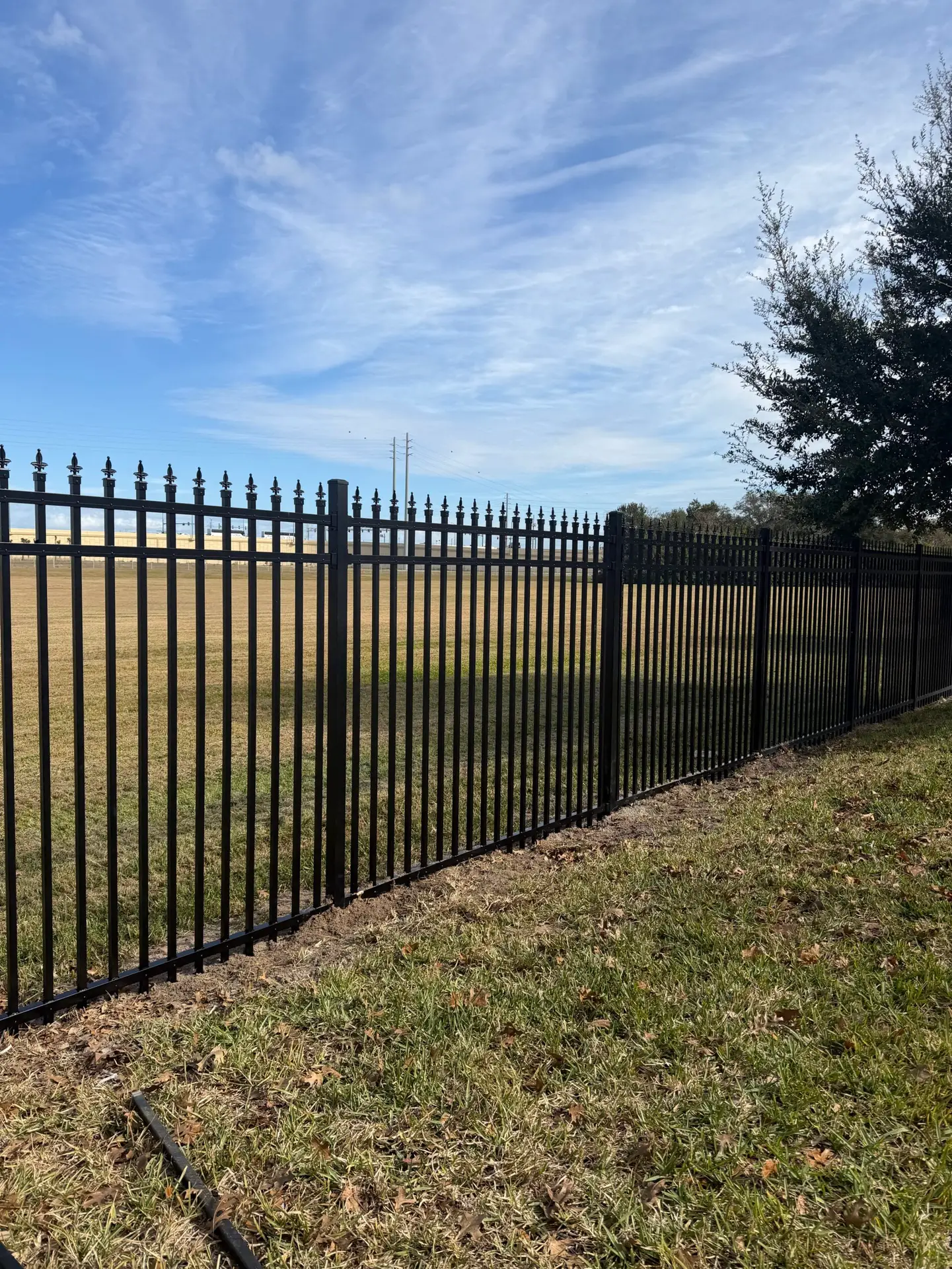
Privacy is one of the most common reasons homeowners install fencing.
A backyard fence can make an outdoor seating area feel more separated from neighboring properties and can provide a greater sense of enclosure around patios, pools, play areas, and gardens.
However, privacy does not always mean enclosing every inch of the property with the same configuration.
You might want more screening along a property line that faces a neighboring backyard while keeping another section more open. A fence can also be positioned to create a private outdoor zone rather than simply following the entire lot.
Think about sightlines from neighboring homes, streets, patios, windows, and other frequently used areas. The right placement can be just as important as the fence itself.
Residential Fencing for Pets
If your dog spends significant time outdoors, containment should be considered from the beginning of the project.
A suitable pet fence should account for the animal’s size, behavior, and ability to jump, squeeze through openings, or dig underneath a barrier. Gates deserve particular attention because they are frequently used and can become an escape point if the opening or latch is not suited to the household.
You should also consider whether pets need access to the entire yard.
For example, some homeowners may want their dogs to have access to the lawn but not the pool deck, garden, front entrance, or outdoor entertaining area. A thoughtfully planned fence and gate layout can create separate zones without requiring completely independent fencing systems.
Pool Fencing Requires More Than a Fence Line
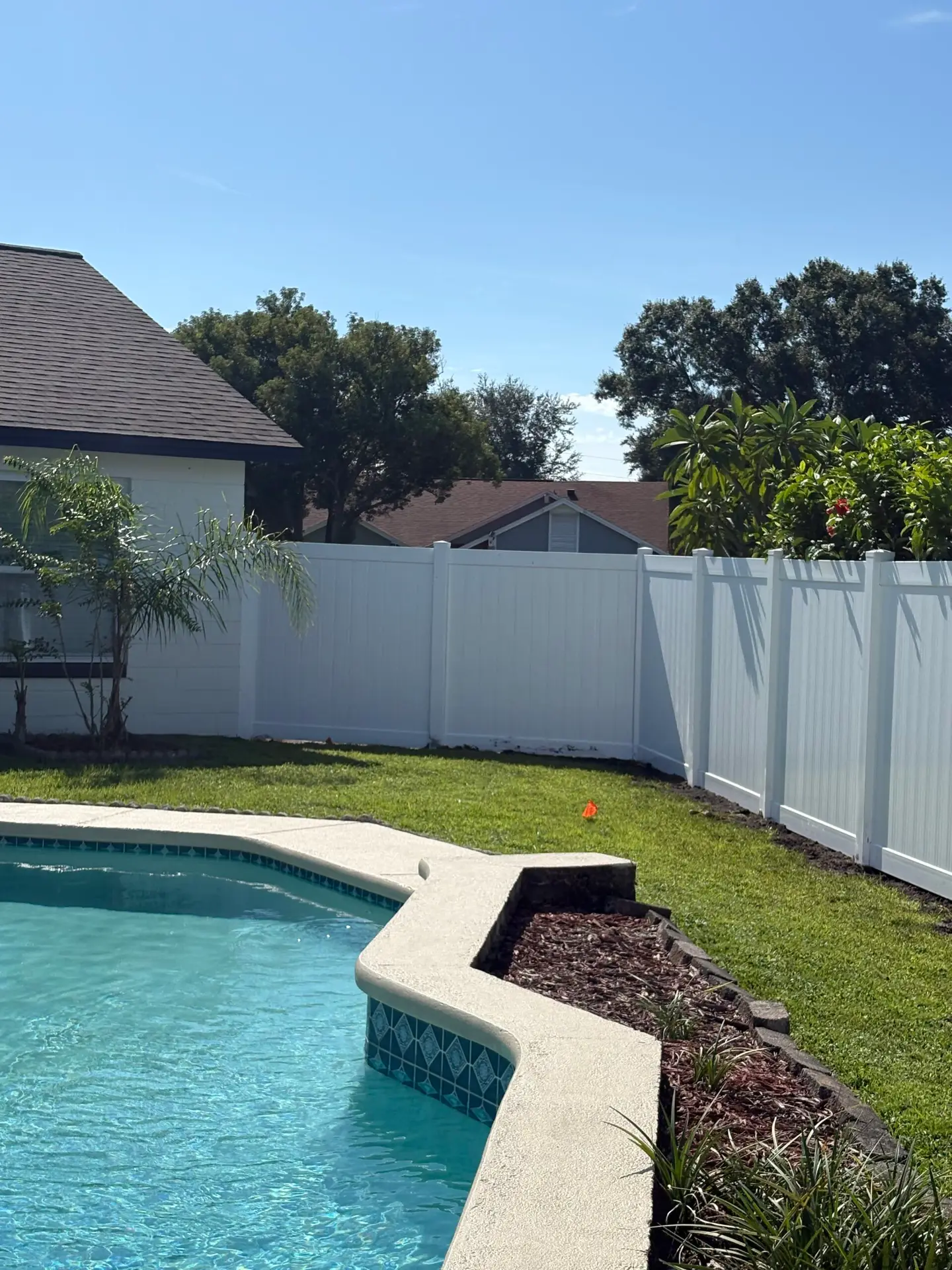
Pool fencing deserves special consideration because the barrier is part of the overall pool-safety plan.
Polk County’s permitting guide states that pool plans must show the pool barrier, including the layout and gates when a fence is used. The County also identifies a child safety barrier as part of the pool permitting documentation.
That means homeowners should think about the pool enclosure before construction begins rather than trying to fit a barrier into an already finished backyard.
A pool fence should be planned around access points, surrounding structures, landscaping, the pool deck, and the way people move through the yard. Gate placement is particularly important because the barrier needs to work as part of the overall safety setup.
If you are comparing pool fence options in Lakeland, FL, make sure the discussion covers more than appearance. Ask how the proposed layout will work with the pool, gates, existing structures, and applicable requirements.
Front-Yard Fencing: Define Without Losing the Look
Front-yard fencing has a different role from backyard privacy fencing.
You may want to establish a boundary around a corner lot, keep pets away from the street, define landscaping, or create a more finished transition between the home and sidewalk. In these situations, completely enclosing the front of the property may not be necessary.
Consider how the fence interacts with:
- The driveway
- Walkways
- Landscaping
- The front door
- Mail delivery
- Street visibility
- Neighboring properties
- Existing gates
A front-yard fence should feel like part of the property’s overall design rather than an obstacle placed between the home and the street.
Backyard Fencing for Outdoor Living
Florida backyards often function as additional living space.
Patios, grills, outdoor kitchens, seating areas, gardens, and recreational spaces can all influence how fencing should be positioned. Instead of treating the fence as the final line around the property, think about how it will frame the areas you actually use.
For example, a homeowner who regularly entertains may want a convenient pedestrian gate near the patio. Someone with a large backyard may need a wider access point for landscaping equipment. A family with a pool may want the pool area separated from the rest of the yard.
The best residential fencing in Polk County should support these everyday activities rather than interfere with them.
Choosing the Right Fence for Your Property
Material selection should come after you understand what the fence needs to accomplish.
Different materials can provide different combinations of privacy, visibility, maintenance requirements, appearance, and functionality. Your choice should also account for the home’s architecture, landscaping, lot configuration, and intended use.
Here is a practical starting point:
| Homeowner Priority | Options to Consider | Planning Focus |
| Backyard privacy | Vinyl or wood fencing | Height, sightlines, and patio placement |
| Pet containment | Vinyl, wood, or chain link | Openings, height, gates, and digging |
| Pool area | Aluminum or other suitable barrier configurations | Safety, gates, access, and applicable requirements |
| Open visibility | Aluminum or chain link | Boundary definition and sightlines |
| Traditional appearance | Wood | Style, maintenance, and property design |
| Lower-maintenance preference | Vinyl or aluminum | Long-term upkeep and cleaning |
| Multiple access needs | Any suitable material with planned gates | Gate width, placement, and hardware |
This is not a one-size-fits-all decision. Two homes on the same street can need completely different fencing because their layouts and uses are different.
Think About Property Boundaries Before Fence Installation
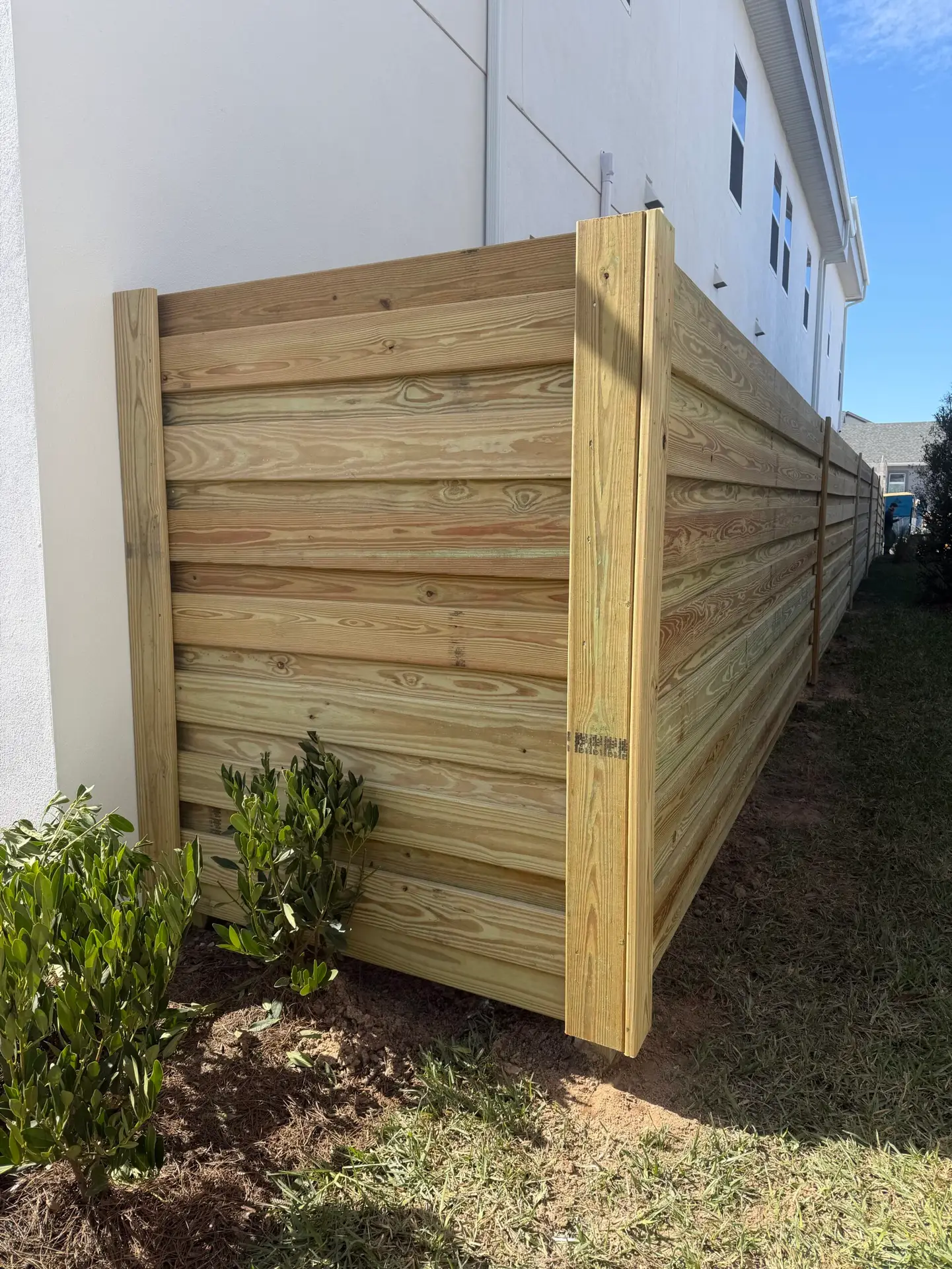
One of the most important steps in residential fencing is establishing where the fence can actually go.
Do not assume that an existing hedge, old fence, driveway edge, or apparent property line represents the legal boundary. When the exact location is uncertain, homeowners should resolve the boundary question before fence installation rather than discovering an issue after the fence is built.
You should also consider easements, drainage areas, utilities, rights-of-way, and existing structures where applicable.
A professional fence contractor can work from the information available for the property, but homeowners should raise any known boundary concerns before the installation plan is finalized.
Do You Need a Permit for Residential Fencing in Polk County?
Permit requirements can depend on the location and scope of the project, so homeowners should verify requirements before work begins.
Polk County’s building permit system specifically includes FENCE/WALL as a permit type, and the County provides a permit lookup system for checking building records.
It is also important to distinguish unincorporated Polk County from municipalities within the county. A property inside Lakeland, Winter Haven, Davenport, or another incorporated community may be subject to that municipality’s own development or permitting requirements.
For a project involving a pool, additional documentation may be required. Polk County’s permitting guide specifically identifies the pool barrier, fence layout, and gates as items that may need to be shown in the pool plans.
Before installation, ask:
- Which jurisdiction governs my property?
- Is a fence or wall permit required?
- Are there height or placement restrictions?
- Are there setback, easement, or right-of-way considerations?
- Are additional requirements triggered by a pool or other property feature?
Confirming these details early can prevent unnecessary delays.
Gates Are Part of the Residential Fencing Plan
A fence without practical access points can quickly become inconvenient.
Think about every type of access the property needs. A pedestrian gate may handle daily foot traffic, while a wider opening may be necessary for lawn equipment, landscaping work, furniture, or other large items.
Driveway access requires another level of planning. Consider vehicle turning space, gate location, opening direction, and how the entrance relates to the street and driveway.
For homeowners searching for custom gates in Lakeland, FL, the important question is not simply whether a gate looks attractive. It should also work with the fence, property layout, hardware, and everyday traffic.
Plan for Florida’s Outdoor Conditions
A fence is exposed to weather throughout the year, so maintenance should be part of the decision from the start.
Different materials have different upkeep requirements. Homeowners should ask what routine cleaning, inspections, repairs, or component replacement may be expected over time.
Pay particular attention to:
- Gate hinges and latches
- Posts and connections
- Loose or damaged sections
- Vegetation growing against the fence
- Soil or drainage changes
- Accumulated dirt and debris
- Areas affected by lawn equipment
Regular visual inspections can help homeowners identify small issues before they become larger repair projects.
What Should You Ask a Fence Contractor?
Choosing an installer is about more than comparing the lowest estimate.
Before hiring a fence contractor, ask questions that clarify the entire project:
- Is the proposed fence appropriate for my property’s purpose?
- How will you determine the fence layout?
- What happens if the property boundary is unclear?
- Who handles permit requirements?
- How will gates be positioned?
- What preparation is required before installation?
- What materials and hardware are included?
- How should the fence be maintained?
- What happens if the property has drainage, landscaping, or grade changes?
- What warranty or workmanship information is provided?
A good contractor should be able to explain the installation process clearly rather than simply provide a price.
How to Prepare for Residential Fence Installation
Once you have selected a fence plan, preparation can make the installation process smoother.
Clear the proposed fence line of unnecessary obstacles where possible. Identify irrigation systems, landscaping features, outdoor structures, utility-related concerns, and areas that may require special access.
If you are replacing an existing fence, clarify whether removal and disposal are included in the project.
It is also worth reviewing gate locations one final time. A small change before installation can be much easier than changing an access point after the fence is complete.
Residential Fencing in Polk County Starts With the Property
There is no single best fence for every Polk County home.
The right solution depends on what you need the fence to accomplish, how you use the property, where access is needed, whether pets or a pool are involved, and what local requirements apply.
Whether your priority is backyard privacy, pet containment, pool safety, curb appeal, or practical access, residential fencing in Polk County should be planned as part of the entire property.
At Fence Direct, we help homeowners plan fencing around real-world needs, from the fence line and material selection to gates and everyday access. We can help you evaluate your property, discuss your goals, and develop a fence installation plan that makes sense for your home.
Ready to plan your residential fence? Contact us today to discuss your Polk County property and get started.