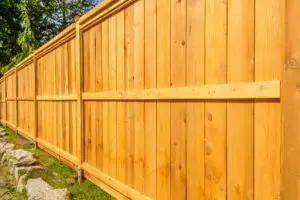
Security fencing protects your property by creating a physical barrier that deters intruders, delays forced entry, and channels access to controlled points. If you manage a warehouse, utility site, data center, or commercial property, choosing the right type means matching the fence to your actual threat level and budget rather than overpaying or under-protecting. This guide compares six security fencing types in 2026, with real cost ranges and the protection level each one delivers.
- Six types: You will learn the main security fencing options and how they differ.
- Real costs: You will see installed price ranges from $10 to $60 or more per foot.
- Protection levels: You will understand which type fits each threat level.
Understanding Security Fencing
Security fencing is engineered to do more than mark a boundary; it deters, delays, and detects unauthorized entry as part of a layered protection strategy. The right system balances physical strength, visibility for surveillance, and cost against the specific risks your property faces.
How Security Fencing Protects a Property
Security fencing protects a property by enforcing the principle of making unauthorized access as difficult and time-consuming as possible. A strong perimeter deters casual intruders through visible strength, delays determined ones long enough for a response, and channels everyone toward monitored entry points. The most effective systems work alongside cameras, lighting, and access control rather than standing alone. This combination of deter, delay, and detect is what turns a simple fence into a genuine security tool.
- Deter: Visible strength discourages casual intruders.
- Delay: A tough barrier buys response time.
- Detect: Open designs support cameras and patrols.
- Layered defense: Works with lighting and access control.
How To Match Fencing to Your Threat Level
Matching security fencing to your threat level means starting with the risk and working toward the right material and height. Basic demarcation and low-risk sites are well served by chain link, general perimeters by welded mesh or ornamental steel, strong deterrence by palisade, and critical infrastructure by anti-climb or crash-rated systems. Over-specifying wastes budget, while under-specifying leaves assets exposed, so an honest threat assessment is the essential first step. A professional evaluation identifies the weak points and the protection level each zone actually requires.
- Start with risk: Match the fence to the actual threat.
- Right-size it: Avoid overspending or under-protecting.
- Zone by zone: Different areas need different protection.
- Professional assessment: Identifies weak points and needs.
6 Types of Security Fencing
Each security fencing type offers a different balance of protection, visibility, and cost. Below are the six main options, each with the specifications and protection level that define where it fits best.
1. Chain Link Security Fencing
Chain link is the most affordable security fencing, offering medium protection for large perimeters at the lowest cost per foot. Security-grade chain link uses heavier 9-gauge or 6-gauge wire, stands 8 to 10 feet tall, and pairs with barbed wire or anti-climb toppers to boost deterrence well beyond a residential fence. Its open weave preserves visibility for cameras while covering hundreds of feet affordably, typically $10 to $20 per linear foot installed. For warehouses, storage yards, and large industrial perimeters on a budget, it remains the go-to choice.
- Cost: Roughly $10 to $20 per linear foot installed.
- Protection: Medium, boosted by height and toppers.
- Best for: Large perimeters, warehouses, storage yards.
- Strength: Affordable coverage with clear visibility.
2. Welded Wire Mesh Fencing
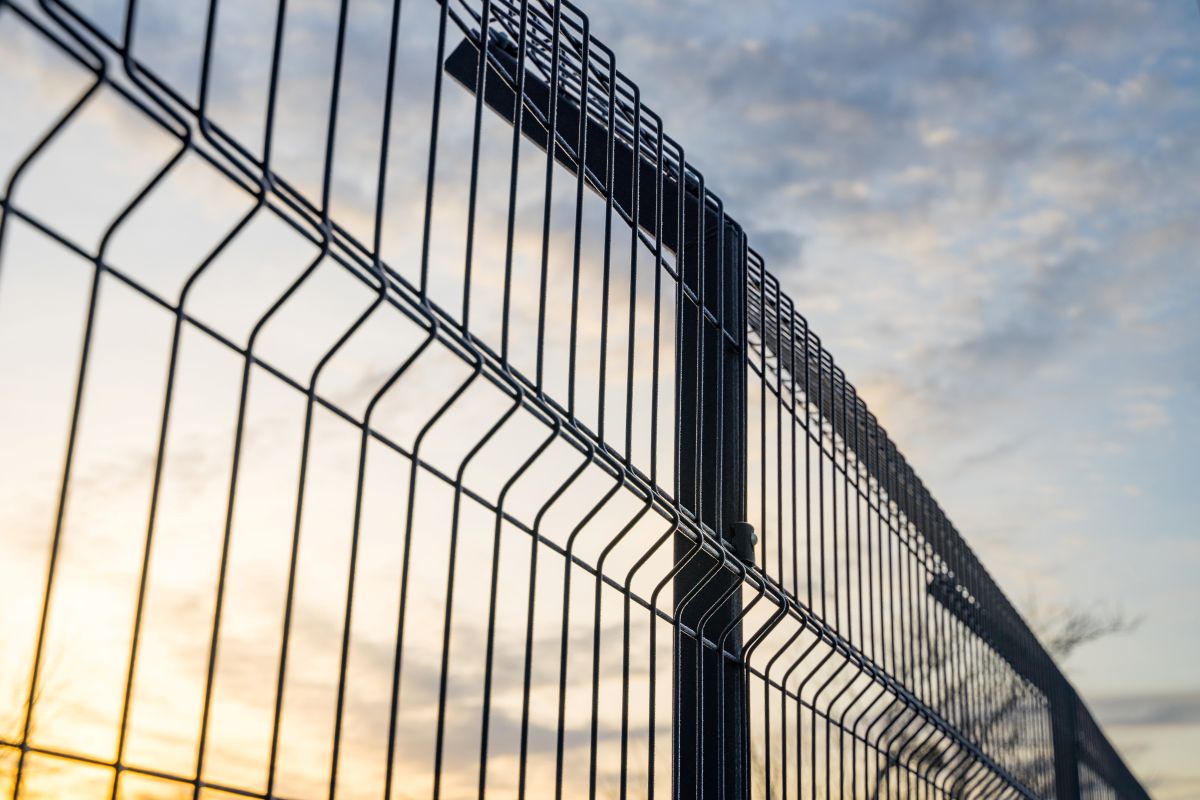
Welded wire mesh offers high protection by fusing wires at every intersection, creating a rigid panel that resists cutting, bending, and prying far better than chain link. Because the mesh is rigid rather than woven, it holds its shape under attack and maintains clear sight lines for surveillance. Standard welded mesh suits general high-security perimeters, and it typically runs $20 to $40 per linear foot installed. It is a strong fit for data centers, utilities, and high-value inventory storage where visibility and durability both matter.
- Cost: Roughly $20 to $40 per linear foot installed.
- Protection: High, with rigid cut-resistant panels.
- Best for: Data centers, utilities, high-value storage.
- Strength: Rigid structure with clear visibility.
3. Anti-Climb 358 Mesh Fencing
Anti-climb 358 mesh is the benchmark for high-security perimeters, using very tight apertures that prevent finger and tool holds. The narrow mesh openings, roughly 3 inches by half an inch, make the fence extremely difficult to climb or cut, maximizing the delay before a breach. Built from high-tensile steel and often 8 to 10 feet tall or higher, it integrates cleanly with cameras and detection systems. This is the definitive choice for data centers, substations, and government facilities where failure is not an option.
- Cost: Higher than standard mesh, varies by height.
- Protection: Very high, engineered to maximize delay.
- Best for: Substations, data centers, government sites.
- Strength: Anti-climb and anti-cut with clear visibility.
4. Palisade Steel Fencing
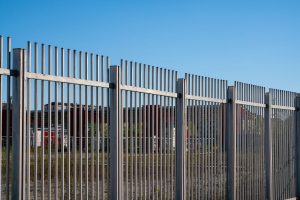
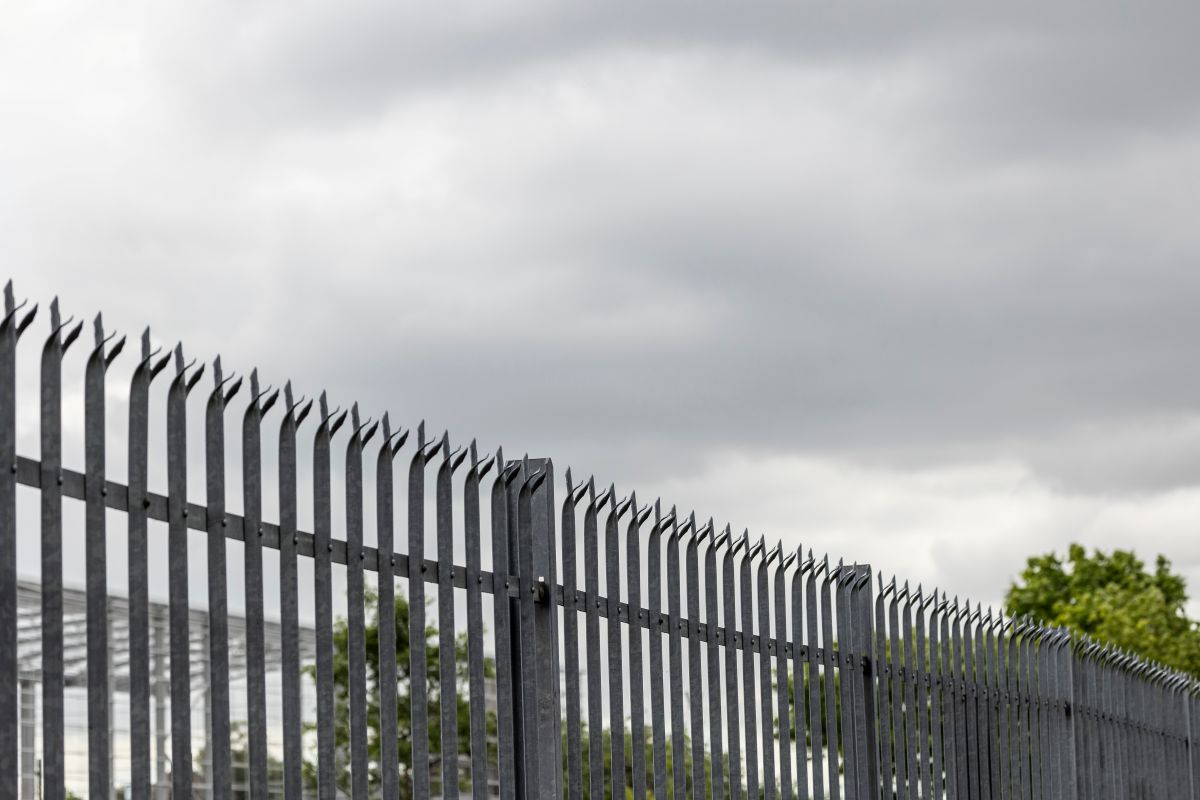
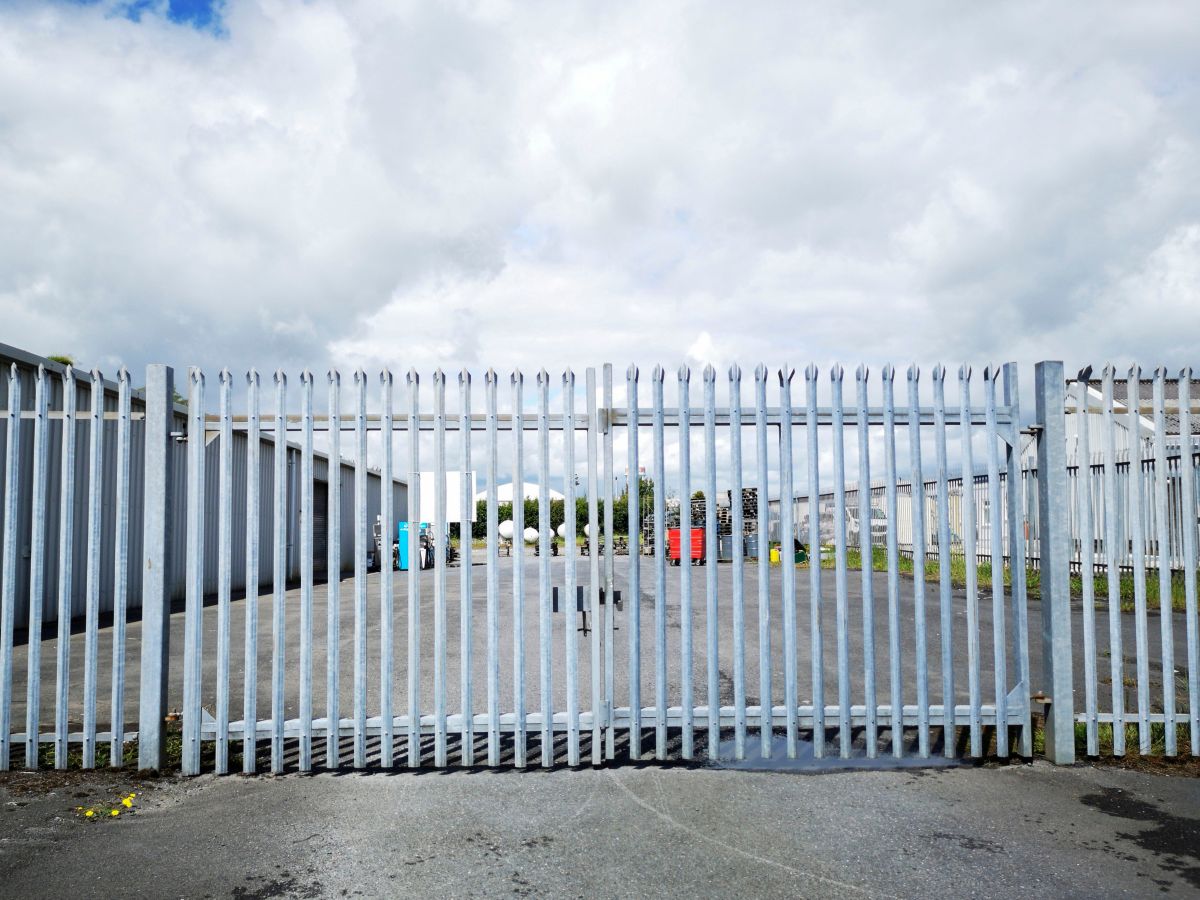
Palisade fencing delivers strong deterrence through vertical steel pales with pointed tops that are difficult to climb or cut. Its imposing, industrial appearance is itself a deterrent, and W-profile pales resist tool damage better than standard shapes. Palisade also adapts well to sloped ground, avoiding the bottom-gap issue that rigid mesh panels create on uneven terrain. It suits industrial sites, utilities, and perimeters where a visible, hard-to-breach barrier is the priority.
- Cost: Mid-to-high range, varies by profile and height.
- Protection: High, with a strong visual deterrent.
- Best for: Industrial sites, utilities, sloped terrain.
- Strength: Imposing look and slope-friendly design.
5. Ornamental Steel Security Fencing
Ornamental steel combines meaningful security with a polished, professional appearance suited to visible frontages. Fusion-welded steel panels deliver strength and climb resistance, and spear-top or rivet-free designs raise the security level while keeping a decorative look. It costs more than mesh for the same height but presents a far more attractive face to customers and visitors. This makes it ideal for corporate campuses, schools, and customer-facing commercial properties.
- Cost: Higher than mesh for the same height.
- Protection: High, with spear-top climb resistance.
- Best for: Corporate campuses, schools, frontages.
- Strength: Security paired with professional appearance.
6. High-Security and Crash-Rated Systems
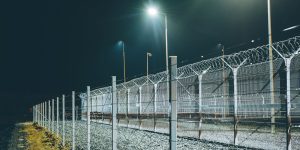
High-security and crash-rated systems represent the top tier, engineered for sites where a breach or vehicle attack cannot be tolerated. These include anti-cut welded systems, electric perimeter integration, and crash-rated fencing certified to stop vehicles at K4, K8, and K12 impact ratings. Many integrate vibration sensors, buried mesh to prevent tunneling, or ballistic materials for the most sensitive sites. Installed costs for top-tier systems typically start around $60 per linear foot and rise with certification and integration.
- Cost: Typically starts around $60 per linear foot.
- Protection: Maximum, including vehicle-impact ratings.
- Best for: Critical infrastructure and high-value targets.
- Strength: Certified resistance and sensor integration.
Security Fencing Costs and Add-Ons
Understanding costs and enhancement options helps you build the right protection within budget. The two sentences below preview the pricing ranges and the add-ons that raise a fence’s security level.
What Security Fencing Costs in 2026
Security fencing costs in 2026 range from about $10 per linear foot for chain link to $60 or more for top-tier crash-rated systems. Chain link is the most economical for large perimeters, welded mesh and palisade occupy the mid-range, and anti-climb and specialty systems command the highest prices. Height, gauge, gates, terrain, and access-control integration all influence the final figure. Because every site differs, an on-site assessment is the only way to pin down accurate pricing for your property.
- Chain link: Roughly $10 to $20 per linear foot.
- Welded mesh: Roughly $20 to $40 per linear foot.
- Top-tier systems: Around $60 or more per linear foot.
- Estimate needed: Height, gates, and terrain affect cost.
The Add-Ons That Raise Protection
Add-ons raise a fence’s protection level by making it harder to climb, cut, or breach without replacing the whole system. Common enhancements include barbed wire or razor ribbon toppers, anti-climb spikes, and heavier gauge or tighter mesh for cut resistance. Electronic elements like vibration sensors, alarm-wired detection, and integrated cameras add a detection layer that alerts staff to tampering in real time. Buried mesh or concrete grade beams also prevent tunneling at the most sensitive sites.
- Toppers: Barbed or razor wire and anti-climb spikes.
- Heavier specs: Thicker gauge and tighter mesh resist cutting.
- Detection: Sensors and cameras alert to tampering.
- Anti-tunneling: Buried mesh or grade beams at high-risk sites.
Frequently Asked Questions
How much does security fencing cost?
Security fencing costs range from about $10 per linear foot for chain link to $60 or more for top-tier crash-rated systems in 2026. Welded mesh and palisade fall in the middle. Height, gauge, gates, terrain, and add-ons all affect the price, so request an on-site assessment for an accurate estimate.
What is the most secure type of fencing?
Anti-climb 358 mesh and crash-rated specialty systems offer the highest security, resisting climbing, cutting, and even vehicle impact. Welded mesh and palisade provide strong protection at lower cost. The most secure choice depends on your threat level, since the highest tiers are engineered for critical infrastructure.
How tall should a security fence be?
Security fences are typically 6 to 8 feet for retail and office sites and 10 feet or more for high-security industrial, utility, and government properties. Taller fences with anti-climb toppers provide stronger deterrence. The right height depends on the threat level, site layout, and local codes.
Does a security fence need anti-climb features?
Anti-climb features are recommended for medium and high-risk sites, since height alone will not stop a determined climber. Tight mesh, smooth panels, spear tops, and angled or spiked toppers all remove footholds. A professional can recommend the right features for your threat level.
What is 358 anti-climb mesh?
358 mesh is a high-security welded panel with very tight openings, roughly 3 inches by half an inch, that prevent finger and tool holds. This dense pattern makes it extremely difficult to climb or cut, maximizing delay. It is the benchmark for data centers, substations, and government sites.
Can security fencing integrate with cameras and alarms?
Yes, modern security fencing integrates with cameras, vibration sensors, alarm-wired detection, and access-control gates. Open designs like mesh and chain link preserve clear sight lines for surveillance. This integration turns the fence into part of a layered, real-time security system.
Why Fence Direct Is the Right Choice for Your Security Fencing
When you are choosing security fencing for a property in Florida, you want a licensed, insured team that matches the fence to your threat level, integrates it with your security systems, and builds it to withstand the local climate, and that is exactly what Fence Direct delivers. Our crews install security-grade chain link, welded mesh, palisade, ornamental steel, and high-security systems with deep, concrete-set footings engineered for Florida’s humid, hurricane-prone conditions, and we manage permitting and inspection from start to finish. Every new fence installation is backed by a two-year workmanship warranty on top of the manufacturer coverage, so you can protect your property with real confidence. We assess your site carefully, recommend the right protection level for each zone, and provide clear, itemized estimates so there are no surprises.
If you are ready to secure your property with the right security fencing, reach out to Fence Direct for expert guidance and a free estimate. We return every call within 24 business hours, so getting real specifications and numbers for your site is quick and pressure-free. Contact us today and let our team design and install a durable, high-security fence built for your property, your budget, and your peace of mind.