A residential black chain link fence typically costs $15 to $45 per linear foot installed, giving Florida homeowners the sleek, modern look of black vinyl-coated mesh with the affordability and durability chain link is known for. If you love how a black fence disappears into the landscape but want to understand what drives the price before you buy, you are in the right place. This guide breaks down the seven biggest cost factors for 2026, with real dollar ranges and Florida-specific details like salt air that affect your final quote.
- Real pricing: You will see installed ranges from $15 to $45 per linear foot for black chain link.
- Seven key factors: You will learn exactly what pushes your price up or down.
- Local know-how: You will understand how coating, height, and Florida’s climate shape your cost.
What Is a Residential Black Chain Link Fence?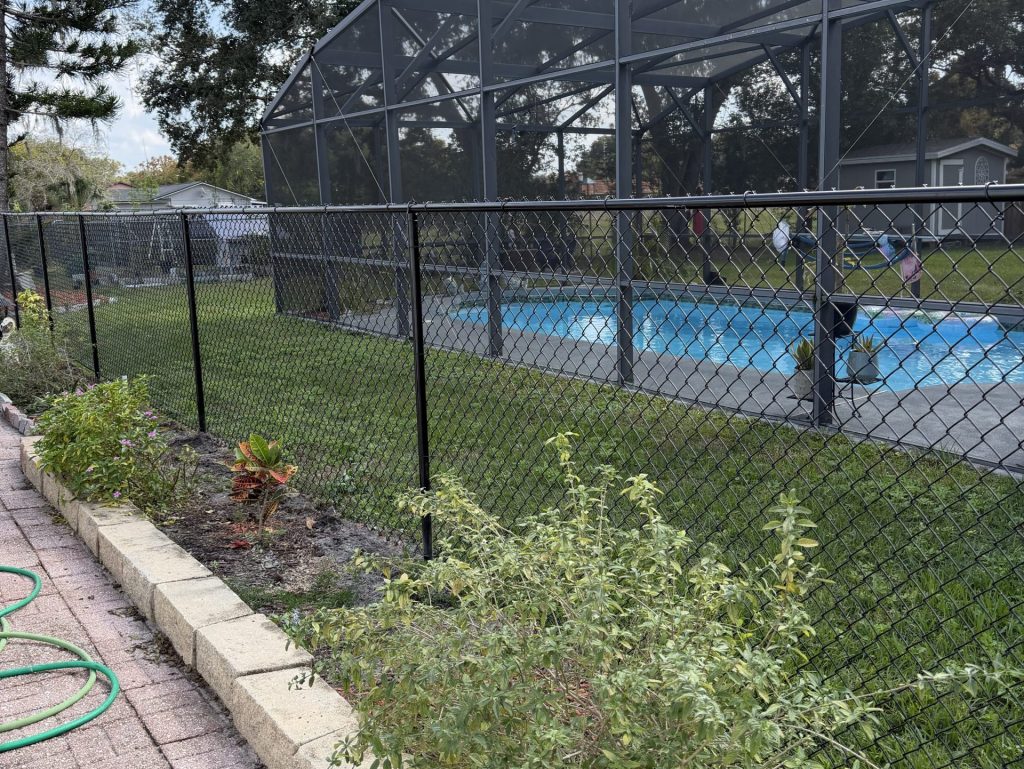
A residential black chain link fence is a standard steel mesh fence coated in black vinyl or polymer, giving it a refined appearance while resisting rust and corrosion. It costs more than bare galvanized fencing but delivers a cleaner look that blends into yards, gardens, and landscaping.
Why Do Homeowners Choose Black Over Galvanized?
Homeowners choose black chain link over shiny galvanized because the dark coating looks more upscale and visually recedes into the landscape rather than standing out. The black vinyl layer sits over galvanized steel, adding a second barrier against rust that helps the fence resist corrosion and discoloration for 20 years or more. Paired with privacy slats, black chain link becomes a functional privacy fence at a fraction of the cost of wood or vinyl. For Florida yards backing onto ponds, woods, or open space, the black finish practically vanishes into the view.
- Upscale look: Black recedes visually while galvanized stands out.
- Extra protection: The vinyl layer adds a barrier over galvanized steel.
- Privacy option: Slats turn it into an affordable privacy fence.
- Blends in: Black disappears against landscaping and open views.
How Long Does a Black Chain Link Fence Last?
A black chain link fence lasts 20 years or more with proper installation, often outlasting bare galvanized in humid or coastal conditions. The vinyl coating shields the galvanized wire beneath from moisture, salt, and UV rays, slowing the rust and discoloration that eventually affect uncoated fencing. Most black vinyl chain link carries a manufacturer warranty of 10 to 15 years against fading, chipping, and peeling. In Florida’s salt air and humidity, that coating is a meaningful advantage that helps the fence reach the upper end of its lifespan.
- Long lifespan: Typically 20 years or more with good installation.
- Coating shield: Vinyl protects the wire from moisture and salt.
- Warranty backing: Often 10 to 15 years against fading and peeling.
- Coastal edge: The coating resists Florida humidity and salt air.
7 Top Cost Factors for a Residential Black Chain Link Fence
Understanding what drives the price helps you budget accurately and recognize a fair quote. Below are the seven biggest cost factors for 2026, each with real numbers so you can plan with confidence.
1. Linear Footage
Total linear footage is the single largest driver of a residential black chain link fence cost, because every added foot means more mesh, more posts, and more labor. Most homeowners pay $15 to $45 per linear foot installed, so a 150-foot backyard typically runs from about $2,250 to $6,750 depending on height and options. Measuring your fence line accurately before requesting quotes is essential, since corners, gate openings, and jogs around AC pads or pool decks all add to the count. A precise measurement keeps your quotes consistent and prevents surprise overages.
- Cost range: Roughly $15 to $45 per linear foot installed.
- Typical yard: A 150-foot run often lands between $2,250 and $6,750.
- Measure carefully: Corners and gate openings add footage.
- Count obstacles: Jogs around pads and pools increase the total.
2. The Black Vinyl Coating
The black vinyl coating is a defining cost factor, typically adding $3 to $8 per linear foot over bare galvanized chain link. That premium pays for the polymer coating process that bonds black vinyl to galvanized steel, delivering both the refined appearance and extra corrosion resistance. Coating color itself does not change the price, so black, green, and brown all cost the same, but any coating adds to the base galvanized price. For Florida homes near the coast, this coating is often worth the added cost because it extends the fence’s life in salty, humid air.
According to ASTM International, whose F14.40 subcommittee maintains the standards for polymer-coated chain link fabric, black and other colored chain link is governed by specifications for both the coating itself and its standard colors, ensuring the finish meets defined thickness and durability requirements.
- Coating premium: Adds about $3 to $8 per linear foot.
- Same color cost: Black, green, and brown are priced alike.
- Corrosion barrier: The vinyl layer protects galvanized steel.
- Coastal value: The coating extends life in salty Florida air.
3. Fence Height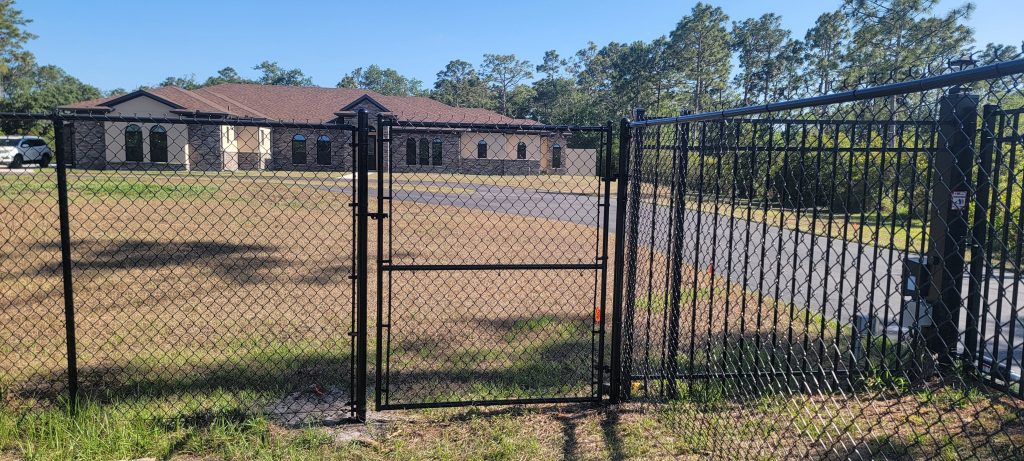
Fence height directly affects cost because taller fences use more mesh, heavier framework, and more labor to install. A 4-foot fence, common for front yards and pet containment, sits at the low end, while raising the height to 6 feet adds roughly $2 per linear foot in material alone plus additional labor. In Florida, height also intersects with building code, since fences over 6 feet trigger stricter engineering and permitting. Choosing the height that matches your actual need, rather than defaulting to the tallest option, is an easy way to control your budget.
- 4-foot fences: The most economical, ideal for pets and boundaries.
- 6-foot fences: Add roughly $2 per linear foot plus labor over 4-foot.
- Over 6 feet: Triggers stricter Florida code and higher costs.
- Match the need: Pick the height that fits your purpose.
4. Wire Gauge
Wire gauge, which measures the thickness of the steel, affects both durability and price, with lower gauge numbers meaning thicker, stronger, and pricier wire. Standard residential fencing uses 9-gauge to 12-gauge mesh, which balances cost and durability for typical Florida backyards. Heavier 9-gauge wire resists cutting and impact far better than lighter gauges and can cost 15 to 30 percent more. In coastal areas, a heavier gauge also holds up longer against salt-driven corrosion, which can be worth the added expense.
- 9-gauge: Heavier and stronger, costs 15 to 30 percent more.
- 11 to 12-gauge: Standard residential, good value and durability.
- Coastal benefit: Thicker wire resists salt corrosion longer.
- Security note: Lower gauge numbers mean tougher mesh.
5. Mesh Size
Mesh size, the width of each diamond opening, affects both security and price, with smaller diamonds costing more but offering tighter protection. Standard residential black chain link uses a 2-inch diamond mesh, which balances cost, visibility, and airflow for most yards. Smaller 1-inch mesh improves security, resists climbing, and keeps small pets contained, but uses more steel and can cost two to three times as much. Choosing the right mesh size lets you match the fence to your security needs and budget without overspending.
- 2-inch mesh: The residential standard, balancing cost and function.
- 1-inch mesh: Tighter security and pet containment at a higher price.
- More steel: Smaller diamonds use more material and cost more.
- Match the need: Pair mesh size to your security and budget.
6. Gates and Privacy Add-Ons
Gates and optional add-ons raise your total, since each gate needs its own posts, hardware, and labor, and extras like privacy slats add material cost. A residential black chain link walk gate typically runs $130 to $1,000 installed depending on size, while driveway rolling gates cost significantly more. Privacy slats, which many homeowners weave through black mesh for backyard screening, add a few dollars per linear foot. Planning gates and add-ons before installation helps the crew set posts correctly the first time and keeps costs predictable.
- Walk gates: Roughly $130 to $1,000 installed each.
- Driveway gates: Rolling and automated gates cost much more.
- Privacy slats: A few dollars per linear foot for screening.
- Plan ahead: Confirm gate spots before posts are set.
7. Terrain, Site Prep, and Labor
Site conditions and labor round out the cost picture, with difficult terrain, old-fence removal, and regional wage rates all affecting the total. Sandy Florida soil is generally easy to dig, but properties with tree roots, rock, or steep slopes slow post setting and raise labor. Removing an existing fence adds roughly $3 to $5 per linear foot for demolition and haul-away. Labor typically accounts for about half of the total installed cost, and rates run higher in coastal and urban Florida markets than in rural areas.
- Sandy soil: Usually easy to dig, keeping labor lower.
- Roots and slopes: Slow digging and raise costs.
- Fence removal: Roughly $3 to $5 per linear foot.
- Labor share: About half the total installed cost.
How to Save Money on a Black Chain Link Fence
There are several practical ways to lower your black chain link fence cost without sacrificing quality or the look you want. The two sentences below preview the most effective strategies Florida homeowners use.
What Are the Best Ways to Cut Costs?
The best ways to cut black chain link fence cost are choosing a lower height where possible, limiting corners, and handling safe prep work yourself. Each corner requires an extra post and hardware, so a simpler layout with fewer corners reduces both material and labor. Sticking with a standard 2-inch mesh and a mid-range gauge, rather than premium specs, keeps the price down while preserving the black finish you want. Removing old fencing or clearing brush yourself, where safe, trims the labor portion of your bill.
- Lower the height: A 4-foot fence costs less than a 6-foot one.
- Limit corners: Fewer corners mean fewer posts and hardware.
- Standard specs: A 2-inch mesh and mid-range gauge control cost.
- DIY prep: Safe clearing and removal lower labor costs.
When Is It Worth Spending More?
It is worth spending more when your fence faces coastal salt air, needs added security, or you want privacy from the black mesh. Along Florida’s coast, heavier gauge wire and quality vinyl coating resist corrosion far longer, reducing replacement costs over the fence’s life. Adding privacy slats turns an open black fence into a screen for far less than a wood or vinyl privacy fence. Spending a bit more upfront on durability and professional installation often saves money over the decades you own the fence.
- Coastal homes: Heavier gauge and quality coating resist salt corrosion.
- Added security: Smaller mesh and taller height deter intruders.
- Privacy slats: Affordable screening compared to wood or vinyl.
- Long-term value: Durability upfront reduces replacement costs.
Frequently Asked Questions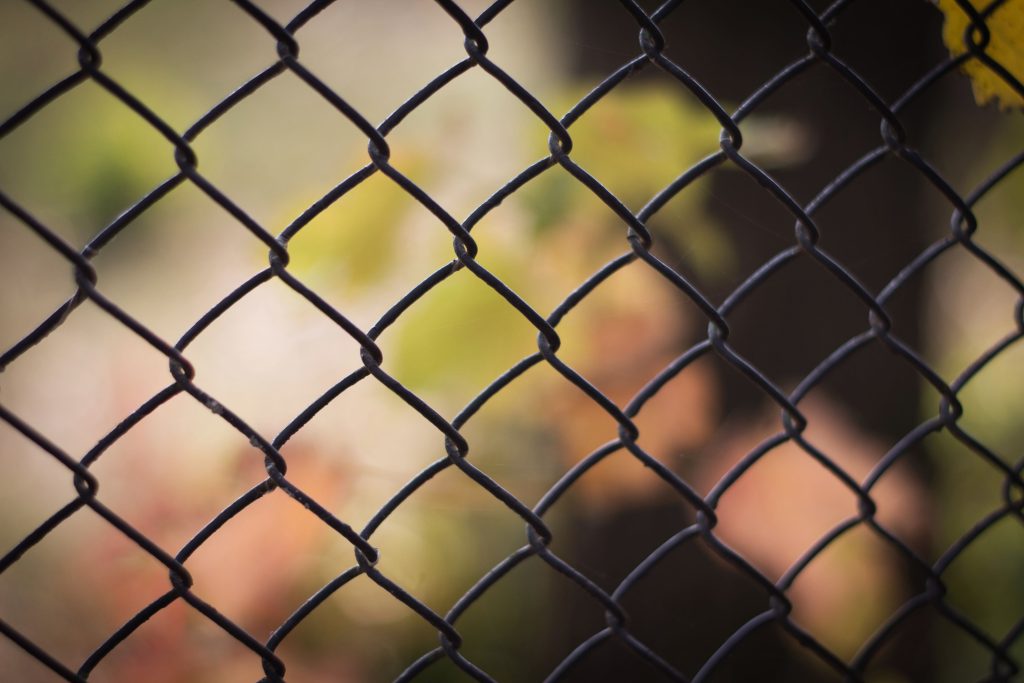
How much does a residential black chain link fence cost?
A residential black chain link fence typically costs $15 to $45 per linear foot installed, or about $2,250 to $6,750 for a 150-foot yard. The final price depends on height, wire gauge, mesh size, gates, and site conditions. Request an on-site measurement for an accurate, itemized estimate.
Is black chain link more expensive than galvanized?
Yes, black vinyl-coated chain link typically costs $3 to $8 more per linear foot than bare galvanized. The premium pays for the polymer coating that adds a refined look and extra corrosion resistance. Many homeowners find the improved appearance and durability worth the added cost.
Does a black chain link fence last longer than galvanized?
A black chain link fence often lasts longer in humid or coastal conditions because the vinyl coating shields the galvanized wire from moisture and salt. Both types last around 20 years or more, but black resists rust and discoloration better over time. This makes it a strong choice for Florida’s climate.
Can you add privacy to a black chain link fence?
Yes, privacy slats woven through the black mesh are an affordable way to screen a chain link fence. They add a few dollars per linear foot and turn an open fence into a private barrier for far less than wood or vinyl. Hedges and climbing vines are also popular natural options.
Do I need a permit for a chain link fence in Florida?
Most Florida counties require a permit for a new fence regardless of material, with fees commonly running $50 to $175. Deed-restricted communities often require HOA architectural review as well, which can add time to your schedule. Always confirm local codes and HOA rules before installation begins.
How long does it take to install a black chain link fence?
A professional crew usually installs a residential chain link fence in one to two days once materials and permits are ready. Crews install roughly 80 to 150 feet per day, so larger yards or difficult terrain take longer. Concrete footing cure time can also stretch the job across two days.
Why Fence Direct Is the Right Choice for Your Black Chain Link Fence
When you are pricing a residential black chain link fence in Florida, you want a team that gives you honest numbers, sets posts to withstand hurricane-force wind, and knows how salt air affects vinyl-coated mesh, and that is exactly what Fence Direct delivers. Our crews install quality black polymer-coated chain link with deep, concrete-set footings and properly tensioned mesh built to hold its finish for decades in Florida’s demanding climate. Every new fence installation is backed by a two-year workmanship warranty on top of the manufacturer coverage, so you can invest with real confidence. We measure carefully, explain your coating, gauge, and mesh options in plain language, and handle the permitting and HOA details that protect both your warranty and your property.
If you are ready to get real numbers for your residential black chain link fence, reach out to Fence Direct for expert guidance and a free estimate. We return every call within 24 business hours, so pricing your black fence is quick and pressure-free. Contact us today and let our team install a sleek, durable black chain link fence built for your yard, your budget, and Florida’s weather.