Pool code aluminum fence requirements are designed to help create safer pool environments while allowing homeowners to maintain an attractive and functional outdoor space. Because pool fence regulations vary by location, homeowners should always verify current requirements with their local building department before installing a new pool fence.
- Code requirements vary: Pool fence regulations depend on local jurisdictions and building codes.
- Safety comes first: Pool barriers are designed to help limit unauthorized access.
- Multiple style options: Aluminum fencing provides safety while maintaining visibility.
Understanding Pool Code Fence Requirements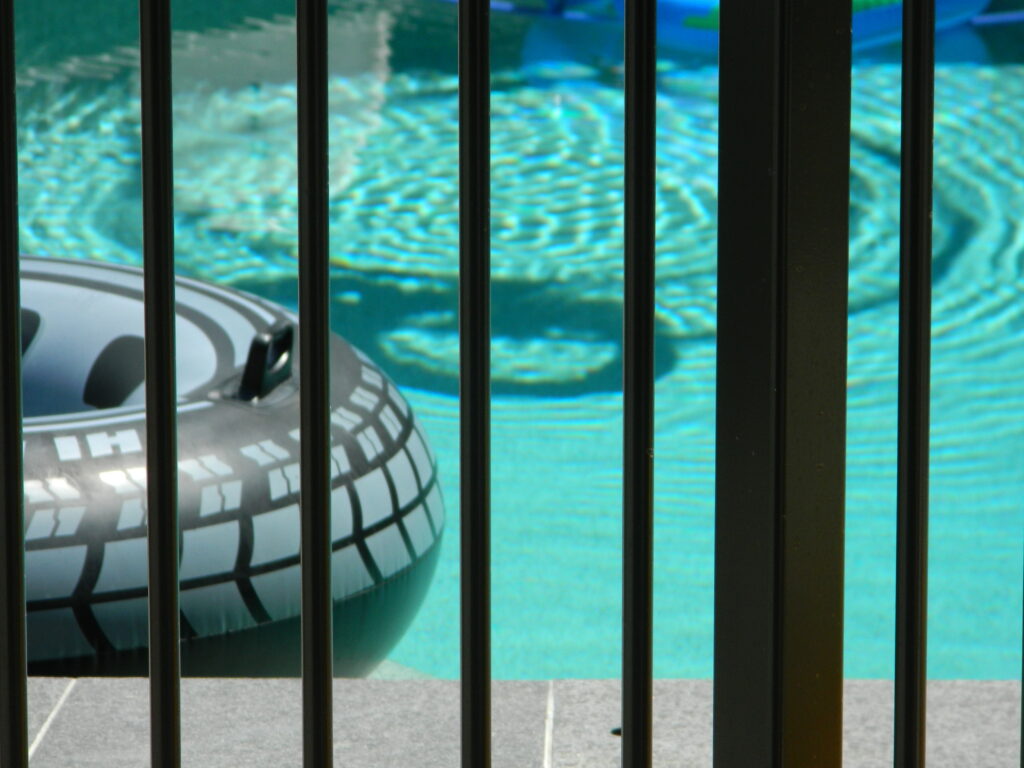
Pool fence regulations are established by local governments and building authorities. While specific requirements vary, many jurisdictions have similar goals related to safety, access control, and pool area security.
Local Codes Are Not The Same Everywhere
One of the most important things homeowners should understand is that pool fence requirements differ by city, county, and state. A fence that meets code in one area may not meet requirements in another.
- Jurisdiction differences: Pool fence rules vary by location.
- Code updates: Requirements may change over time.
- Verification matters: Homeowners should confirm current regulations before installation.
Pool Fence Compliance Requires Careful Planning
Planning ahead can help homeowners avoid delays and unexpected changes during the installation process. Reviewing requirements early helps homeowners comply with local code and local pool codes, making it easier to meet code and account for the most important compliance factors.
- Better preparation: Early planning helps avoid setbacks.
- Smoother approvals: Understanding which styles are code compliant, which options are specifically designed for pool safety, and which gate hardware is required can simplify approvals.
- Installation confidence: Proper planning supports successful results.
Many areas base requirements on the International Residential Code or spa code, but homeowners still need to verify what applies locally.
Most pool codes require a fence around the pool, though an existing wall may count as part of the barrier only where the local authority allows it.
Above ground pools may also need to comply if the water depth is 18 inches or more, depending on local rules.
Professional Guidance Can Be Helpful
Because pool code requirements can be complex, careful planning helps homeowners choose code-compliant options such as an ornamental aluminum fence, the right pool gate, matching fence panels, and suitable hardware before installation begins.
- Code awareness: Contractors often understand common pool fence applications and swimming pool fence styles.
- Fence recommendations: Helps homeowners choose appropriate aluminum fence panels.
- Installation expertise: Supports a smoother installation process, and some aluminum systems are specifically designed to comply with common pool barrier standards.
6 Common Pool Code Aluminum Fence Requirements
While requirements vary by location, contractors can help homeowners compare aluminum fence panels and other fence panels that fit local requirements in pool fence regulations. Homeowners should verify all requirements with local authorities before beginning installation so the enclosure stays secure and helps protect children. Common rules are designed to prevent children from squeezing through, climbing over, or getting under the barrier, and many homeowners compare swimming pool fence styles, including ornamental aluminum fence options, while choosing the right pool gate for the layout.
1. Minimum Fence Height Requirements
Many jurisdictions require pool fences to meet a minimum height standard designed to help limit unauthorized access. These standards are meant to create a secure barrier and help prevent children from entering the pool area unsupervised.
- Height standards: Depending on local code, the fence must be at least a set minimum, often least 48 inches tall, when measured from the ground.
- Safety focus: Height requirements help strengthen pool barriers.
- Code compliance: Homeowners should verify local specifications.
2. Controlled Pool Access Points
Pool fence regulations often include requirements related to gates and entry points.
- Restricted access: Gates help control entry into pool areas.
- Safety considerations: Access points play an important role in compliance.
- Code requirements: Local standards may apply to gate placement.
3. Fence Opening Limitations
Many local requirements state that the pool gate must be self-closing and self-latching, and openings are often limited so a child cannot pass through them.
- Barrier integrity: Fence openings may be regulated.
- Gate hardware: Self-closing gates often rely on self closing hinges and a self latching mechanism.
- Latch height: The latch is commonly required to be mounted at least 54 inches from the ground so the gate closes automatically and latches securely.
- Safety objectives: Requirements are intended to improve security.
- Local variations: Specifications differ by jurisdiction.
4. Proper Fence Placement
Pool fence location and placement may also be subject to local regulations.
- Perimeter planning: Placement affects overall compliance.
- Property considerations: Layout requirements may vary.
- Code review: Local standards should be verified before installation.
5. Gate Function Requirements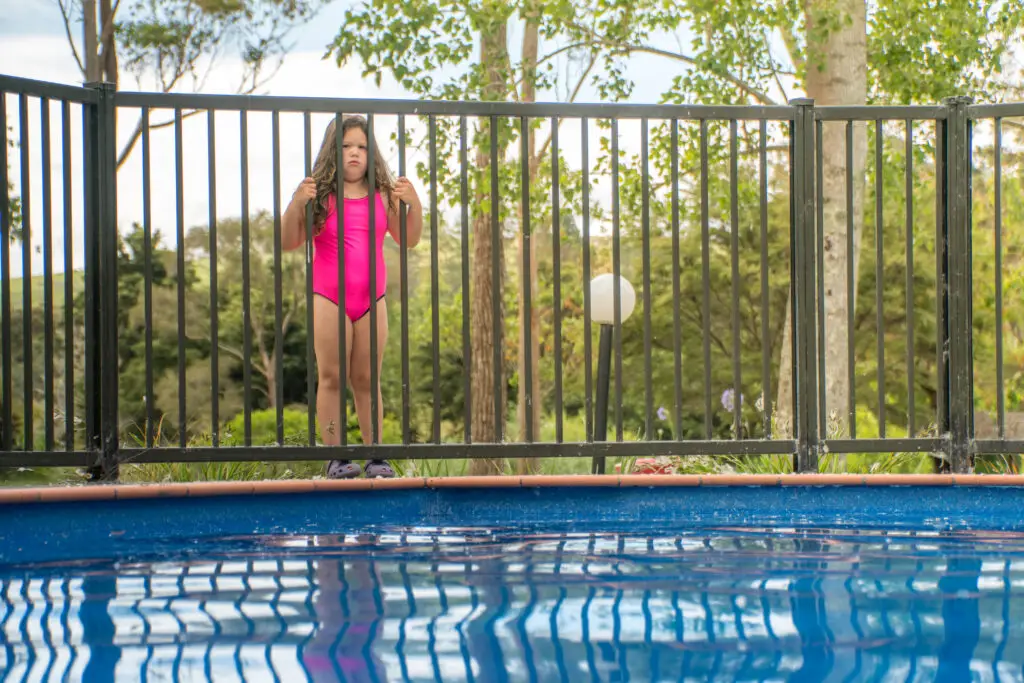
Many pool codes include specific standards related to gate operation and functionality.
- Controlled entry: Gates are an important part of pool safety systems.
- Access management: Gate requirements often support barrier effectiveness.
- Compliance considerations: Local regulations may apply.
6. Inspection And Approval Requirements
Some municipalities require inspections or approvals before a pool fence is considered compliant.
- Inspection processes: Certain areas require official review.
- Approval procedures: Requirements vary by jurisdiction.
- Verification steps: Homeowners should confirm local expectations.
Popular Pool Code Aluminum Fence Design Options
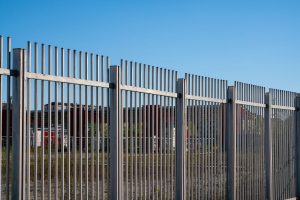
Aluminum fencing is one of the most common materials used around pools because it combines visibility, durability, and decorative appeal. Several styles are popular among homeowners.
Flat Top Aluminum Fencing
Flat top aluminum fencing provides a clean and simple appearance that works well around many residential pool areas.
- Modern design: Creates a sleek and organized look.
- Open visibility: Maintains sightlines around the pool.
- Versatile style: Complements many outdoor spaces.
Spear Top Aluminum Fencing
Spear top fencing offers a more traditional appearance while adding decorative character to the pool area.
- Classic appearance: Provides a timeless fence style.
- Decorative detail: Adds visual interest.
- Defined boundaries: Helps create a clear perimeter.
Ornamental Aluminum Fencing
Ornamental aluminum fencing combines pool safety with decorative design features that enhance curb appeal.
- Elegant design: Creates a refined outdoor appearance.
- Decorative accents: Adds visual character to the fence.
- Attractive boundaries: Enhances the overall pool environment.
Why Aluminum Fencing Is Popular Around Pools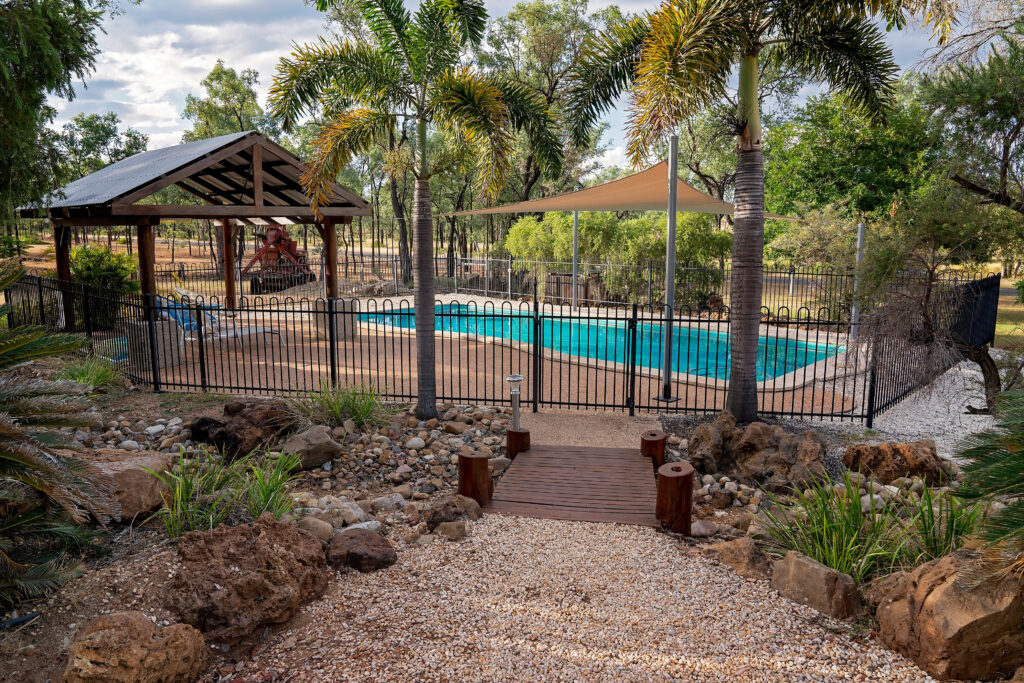
Many homeowners choose aluminum fencing because it provides several practical advantages for pool areas while maintaining an attractive appearance.
Visibility Supports Pool Supervision
One of the biggest benefits of aluminum fencing is its ability to maintain visibility around the pool area.
- Clear sightlines: Allows visibility into the pool area.
- Open appearance: Creates a less enclosed environment.
- Outdoor enjoyment: Preserves views of landscaping and amenities.
Durable Materials Require Minimal Upkeep
Aluminum fencing offers long-term performance without requiring extensive maintenance.
- Low maintenance: Requires minimal ongoing care.
- Reliable performance: Designed for long-term outdoor use.
- Consistent appearance: Maintains a clean look over time.
Decorative Appeal Enhances Outdoor Spaces
Pool fencing does not have to be purely functional. Aluminum fencing can also contribute to the overall appearance of the property.
- Enhanced curb appeal: Improves the look of outdoor areas.
- Decorative styles: Available in multiple design options.
- Property value: Helps create a more finished outdoor environment.
Get Expert Help Choosing A Pool Code Aluminum Fence
A pool code aluminum fence can provide homeowners with an attractive, durable, and functional solution for securing pool areas. Because pool fence regulations vary by jurisdiction, it is important to verify current code requirements with local authorities before selecting a fence design or beginning installation.
Fence Direct provides professional aluminum fence installation and can help homeowners explore fencing options that fit their property and goals. Whether you are planning a new pool enclosure or upgrading an existing fence, our team is here to help. Contact Fence Direct today for expert guidance and a free estimate for your aluminum pool fence installation.