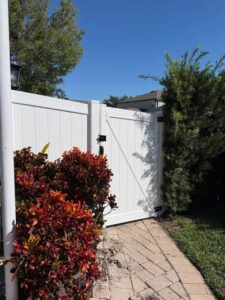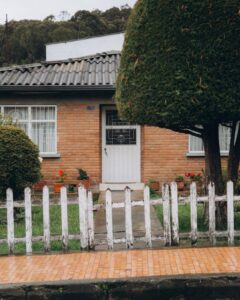
A driveway gate can do more than mark the entrance to your property. It can control vehicle access, create a more defined boundary, support privacy, and give a completed fence system a more cohesive appearance. But a gate that looks right on paper may not work well once vehicles, pedestrians, landscaping, and the actual driveway are taken into account.
That is why driveway gate installation in Dundee, Florida, should begin with planning rather than choosing a gate style. The opening, swing, hardware, fencing, and available space all need to work together.
Start With the Vehicles That Will Use the Gate
The first question is simple: What needs to pass through the opening?
A gate used primarily for a passenger vehicle may have different requirements from one that needs to accommodate a larger truck, trailer, lawn equipment, or other vehicles.
Measure the usable driveway space and consider:
- The width of vehicles entering and leaving
- Whether vehicles need to turn immediately after the gate
- Trailer or larger-vehicle access
- Clearance along both sides of the driveway
- Whether the gate opens inward or outward
- Available space for the gate to move
A gate should not simply be wide enough to let a vehicle through. There should also be enough room for comfortable entry and exit without forcing drivers too close to posts, landscaping, walls, or other structures.
Don’t Forget Pedestrian Access
A driveway gate does not have to handle every type of traffic by itself.
If family members, guests, deliveries, or service providers regularly enter on foot, consider whether a separate pedestrian gate would make the property easier to use. A dedicated walkway entrance can reduce the need to open a larger driveway gate for everyday foot traffic.
Think about where people naturally approach the home and whether the pedestrian entrance should connect directly to a sidewalk, walkway, front door, or another frequently used area.
Good driveway gate installation should account for both vehicle movement and everyday pedestrian access.
Look at the Entire Property Layout
Your driveway is only one part of the installation.
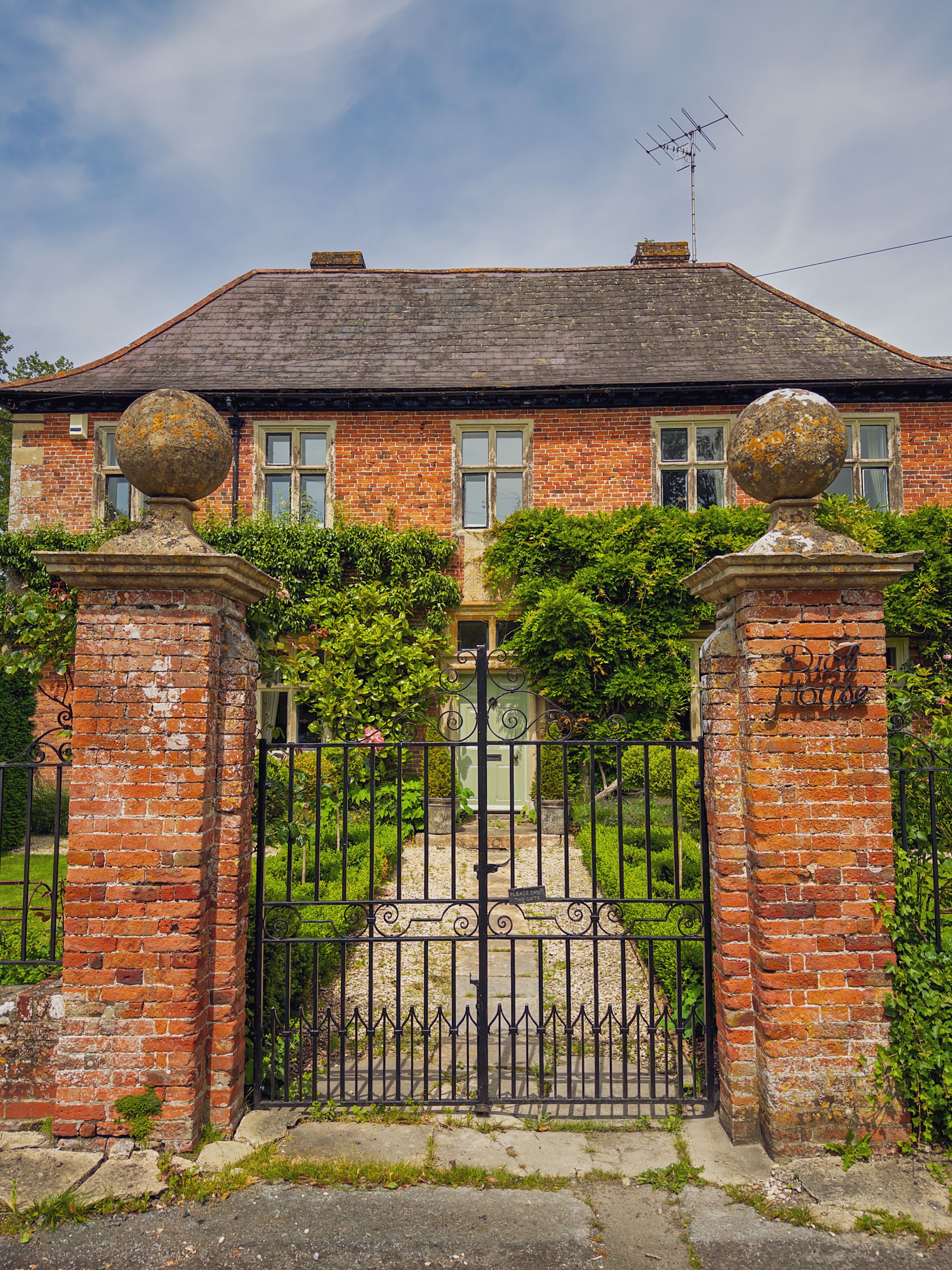
Before deciding where the gate belongs, look at the relationship between the driveway, fence line, home, landscaping, garage, sidewalks, and neighboring properties. A gate may need to be positioned differently depending on the amount of space available between these features.
Dundee’s development standards place specific attention on vehicular access and circulation. For example, the town’s code establishes limits on the number of access points based on lot width and includes separation requirements for multiple access points. It also states that access points should not be located within 10 feet of the intersection of public road right-of-way lines.
These requirements are one reason property layout should be considered before finalizing a driveway gate design.
Decide Where the Gate Should Open
Gate placement affects how the entire entrance functions.
An inward-opening gate needs enough room inside the property for the gate leaves to swing without hitting vehicles, landscaping, structures, or other obstacles. Depending on the site, the driveway may have limited space for this movement.
Consider:
- Where vehicles will stop while the gate operates
- Whether the swing area remains clear
- Nearby sidewalks or pedestrian paths
- Landscaping and retaining features
- Sloped or uneven areas
- Where the fence line meets the driveway
If the available space does not work well with a particular swing configuration, another gate arrangement may be more practical.
Choose Hardware for How the Gate Will Be Used
A gate is only as functional as the hardware supporting it.
Hinges, latches, locks, stops, and other components need to be appropriate for the gate’s size, weight, and frequency of use. A frequently used driveway entrance places different demands on its hardware than a gate that is opened only occasionally.
You should also decide how the gate will be operated. Depending on the property and project requirements, options can include manual operation or an automated system.
If automation is being considered, plan for it before installation rather than trying to add components after the gate and posts are already in place.
Coordinate the Gate With the Fence

A driveway gate should look and function like part of the same system as the surrounding fence.
That means considering the fence material, gate style, post design, height, spacing, and overall appearance together. A gate that does not coordinate with the fence can make the entrance feel disconnected even when both components work independently.
For example, homeowners choosing a privacy fence may want a gate that maintains the same visual enclosure. An open-style aluminum fence may call for a gate that preserves visibility instead.
The same principle applies to the fence’s purpose. If the boundary is intended to keep pets contained, the gate should not create an easy escape route. If privacy is the priority, gaps around the gate deserve attention as well.
Check Local Requirements Before Work Begins
Local requirements should be confirmed before construction starts. Dundee’s development standards are designed to address access, circulation, drainage, utilities, and other aspects of development design. The town code specifically states that development should provide adequate access to lots and sites while avoiding adverse effects on surrounding properties.
Your property may also have circumstances that affect the installation, such as an existing easement, right-of-way, shared driveway, or other access consideration. When in doubt, verify the applicable requirements before finalizing the gate location.
When Should You Plan the Gate?
Ideally, the gate should be planned at the same time as the fence.
Waiting until the fence is already installed can limit your options for post placement, driveway clearance, pedestrian access, and gate operation. Planning both components together allows the fence line and entrance to be designed as one system.
If you’re searching for a fence company in Dundee, FL, for a complete project, make sure the conversation includes the gate, not just the fence panels.
Plan the Entrance Around Real-Life Use
The best driveway gate is not necessarily the largest, most decorative, or most automated option. It is the one that works with your vehicles, property layout, daily routines, fencing, and access needs.
At Fence Direct, we help homeowners plan fencing and driveway gates around how they actually use their properties. As driveway gate contractors, we can help you consider gate placement, opening width, access, hardware, and coordination with the surrounding fence before installation begins. Request an estimate today.