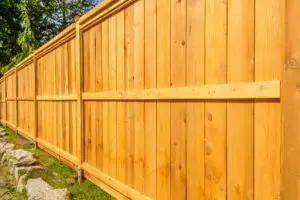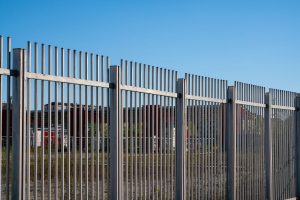
Commercial fencing contractors vary widely in licensing, experience, and reliability, so knowing what to look for before you sign protects your property, your budget, and your timeline. If you manage a warehouse, retail site, school, or industrial facility, the contractor you choose determines whether your fence performs for decades or fails within a few seasons. This guide walks through exactly what to verify, the questions to ask, and the red flags that separate a professional team from a risky one.
- What to verify: You will learn the credentials and coverage every contractor must have.
- Questions to ask: You will get the key questions that reveal a contractor’s true capabilities.
- Red flags: You will know the warning signs that should make you walk away.
Why Choosing the Right Commercial Fencing Contractor Matters
The contractor you hire has a bigger impact on your fence’s performance than the materials themselves, since even premium materials fail when installed poorly. A qualified commercial team delivers a fence that meets code, withstands the elements, and protects your property for decades, while the wrong choice can mean leaning posts, failed inspections, and costly rework.
The Cost of Hiring the Wrong Team
Hiring the wrong commercial fencing contractor can cost far more than the initial savings, through rework, liability exposure, and premature failure. A fence installed with shallow footings or improper tensioning may lean or sag within a single season, forcing you to pay twice for work that should have lasted decades. Unlicensed or uninsured contractors also expose your business to liability if a worker is injured or the fence fails and causes damage. Choosing a proven professional upfront protects both your investment and your business from these downstream costs.
- Rework costs: Poor installation often means paying twice.
- Liability exposure: Uninsured crews put your business at risk.
- Premature failure: Shortcuts lead to leaning or sagging fences.
- Failed inspections: Non-compliant work triggers costly delays.
The Difference Between Commercial and Residential Contractors
Commercial fencing contractors bring specialized expertise, equipment, and code knowledge that residential installers often lack. Commercial work involves taller fences, heavier gauge materials, larger gates, and stricter code and security requirements than a typical backyard fence. It also frequently requires coordination with site schedules, permitting for larger structures, and integration with access-control systems. A contractor experienced in commercial work understands these demands and has the crews and equipment to meet them efficiently.
- Heavier materials: Commercial specs demand the right equipment.
- Code expertise: Larger structures face stricter requirements.
- Site coordination: Commercial jobs need careful scheduling.
- Access integration: Gates often tie into security systems.
7 Things To Check Before Hiring Commercial Fencing Contractors
Verifying these seven items before you sign protects your business and ensures you choose a contractor who can deliver. Below is each item with the specifics to confirm and why it matters for your fence.
1. Valid State Licensing
Valid licensing is the first thing to verify, since operating without the proper license is illegal and a sign of a contractor to avoid. In Florida, contractors are licensed through the Department of Business and Professional Regulation, and you can confirm a license by the contractor’s name or license number. A licensed contractor has met experience, financial, and background requirements that unlicensed operators have not. Always verify licensing directly with the state rather than taking a contractor’s word for it.
According to the Florida Department of Business and Professional Regulation, each construction business must be qualified by a properly licensed individual contractor to engage in construction activities in the state, and license status can be verified directly through DBPR’s public records by name or license number.
- State license: Confirm active DBPR licensing in Florida.
- Verify directly: Check the state’s records, not just claims.
- Proper category: Ensure the license covers commercial work.
- Current status: Confirm the license is active, not lapsed.
2. Proper Insurance and Bonding
Proper insurance and bonding protect your business from liability if something goes wrong during installation. A qualified commercial contractor carries general liability insurance covering third-party injury and property damage, plus workers’ compensation for their crews. Without workers’ comp, you could be held liable if a worker is injured on your property. Always request a current certificate of insurance and confirm coverage is active before work begins.
- General liability: Covers injury and property damage claims.
- Workers’ comp: Protects you if a crew member is injured.
- Current certificate: Request proof of active coverage.
- Bonding: Adds a layer of financial protection.
3. Commercial Experience and Portfolio
Commercial experience and a proven portfolio show that a contractor can handle the scale and complexity of your project. Ask how long they have done commercial fencing specifically and request examples of similar work, whether warehouses, schools, or industrial sites. A contractor with a strong track record in your type of facility understands its unique security, code, and durability demands. Reviewing past work and speaking with references confirms they can deliver what they promise.
- Commercial focus: Confirm dedicated commercial experience.
- Relevant projects: Look for work like yours.
- Portfolio review: Ask to see completed installations.
- References: Speak with past commercial clients.
4. Clear, Detailed Written Estimates
A clear, itemized written estimate is essential, since vague quotes hide costs and invite disputes later. A professional estimate breaks down materials, labor, gates, permits, site prep, and removal so you can see exactly what you are paying for. This transparency lets you compare bids fairly and prevents surprise charges once work begins. Be wary of contractors who offer only a lump-sum figure or resist putting details in writing.
- Itemized costs: Materials, labor, gates, and permits listed.
- Fair comparison: Detailed bids let you compare accurately.
- No surprises: Written scope prevents added charges.
- Transparency: A clear estimate signals professionalism.

5. Strong Reviews and References
Strong reviews and verifiable references reveal how a contractor performs on real jobs, not just how they sell. Check independent review platforms for patterns in feedback, paying attention to how the contractor handles problems, not just praise. Ask for references from commercial clients with similar projects and actually call them about quality, timeline, and communication. A contractor confident in their work will readily provide references and welcome your due diligence.
- Independent reviews: Look for consistent patterns.
- Problem handling: See how they resolve issues.
- Commercial references: Ask for clients like you.
- Willingness: Good contractors share references freely.
6. Warranty and Workmanship Guarantees
A solid warranty protects your investment and signals that a contractor stands behind their work. Look for both a manufacturer warranty on materials and a separate workmanship warranty covering the quality of installation. A workmanship guarantee means the contractor will correct installation problems at no cost within the covered period. The absence of a workmanship warranty is a red flag that a contractor may not stand behind their crews.
- Manufacturer warranty: Covers material defects.
- Workmanship warranty: Covers installation quality.
- Coverage period: Confirm how long each lasts.
- Written terms: Get all warranty details in writing.
7. Permitting and Code Knowledge
Permitting and code knowledge are critical, because commercial fences face height, setback, and structural requirements that vary by jurisdiction. A professional contractor knows local codes, handles the permitting process, and ensures the fence passes inspection the first time. In Florida, this also means designing for hurricane-force wind loads and coastal conditions where applicable. A contractor who shrugs off permitting or expects you to handle it is one to avoid.
- Local codes: Confirm they know your jurisdiction’s rules.
- Permit handling: A pro manages the permitting process.
- Wind load: Florida fences must meet wind requirements.
- Inspection ready: Proper work passes the first time.
Questions To Ask Before You Sign
Asking the right questions upfront reveals a contractor’s true capabilities and protects you from surprises. The two sentences below preview the most important questions and the red flags to watch for.
The Key Questions To Ask
The key questions to ask any commercial fencing contractor cover licensing, insurance, experience, timeline, and warranty in specific terms. Ask for their license number, proof of insurance, examples of similar commercial work, a realistic timeline, and written warranty details. Also ask who handles permitting, whether they use their own crews or subcontractors, and how they handle problems that arise mid-job. The clarity and confidence of their answers tells you a great deal about how the job will go.
- Credentials: Ask for license number and insurance proof.
- Experience: Request examples of similar commercial work.
- Logistics: Confirm timeline, crews, and permitting.
- Warranty: Get workmanship guarantee terms in writing.
The Red Flags To Watch For
The biggest red flags are contractors who cannot verify licensing, resist written estimates, or demand large upfront payments. A pressure to sign immediately, a quote far below all others, or reluctance to provide references all signal risk. Be especially cautious of contractors without a physical business address, active insurance, or a workmanship warranty. Trusting your instincts and walking away from these warning signs prevents far bigger headaches down the road.
- No verification: Cannot confirm license or insurance.
- Large deposits: Demanding most payment upfront.
- Suspiciously low bids: A quote well below the rest.
- High pressure: Rushing you to sign quickly.
Frequently Asked Questions
How do I verify a commercial fencing contractor’s license in Florida?
You can verify a Florida contractor’s license through the Department of Business and Professional Regulation using their name or license number. DBPR’s public records show whether the license is active and what work it covers. Always confirm status directly with the state rather than relying on the contractor’s word.
What insurance should a commercial fencing contractor have?
A commercial fencing contractor should carry general liability insurance covering third-party injury and property damage, plus workers’ compensation for their crews. Without workers’ comp, you could be liable if a worker is injured on your property. Request a current certificate of insurance before work begins.
How much do commercial fencing contractors charge?
Commercial fencing costs vary widely by material, height, gauge, gates, and site conditions, so pricing is best determined by an on-site assessment. Chain link is the most economical option, while ornamental steel and welded mesh cost more. Request a detailed, itemized written estimate to compare bids fairly.
How long does a commercial fence installation take?
Timeline depends on the size of the property, materials, terrain, and permitting, ranging from a few days to several weeks for large sites. A professional contractor provides a realistic schedule after assessing the site. Permitting and concrete cure time can extend the overall timeline.
Should a commercial fence contractor handle permits?
Yes, a professional commercial fencing contractor should handle the permitting process and ensure the fence meets local code. Commercial fences face height, setback, and structural requirements that vary by jurisdiction. A contractor who expects you to manage permitting is a warning sign.
What warranty should I expect from a commercial fencing contractor?
You should expect both a manufacturer warranty on materials and a separate workmanship warranty on the installation. A workmanship guarantee means the contractor will fix installation issues at no cost within the covered period. Always get warranty terms in writing before signing.
Why Fence Direct Is the Right Choice Among Commercial Fencing Contractors
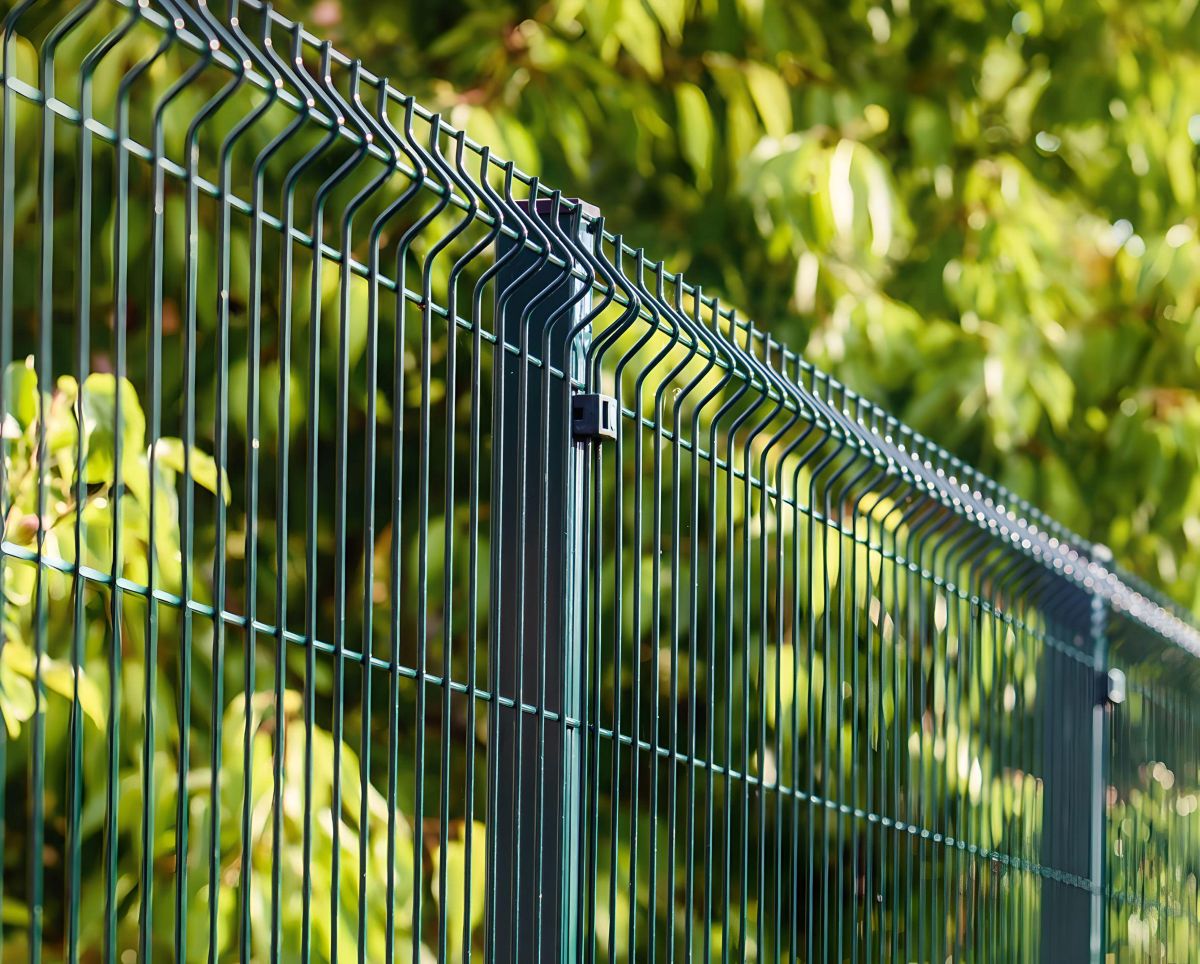
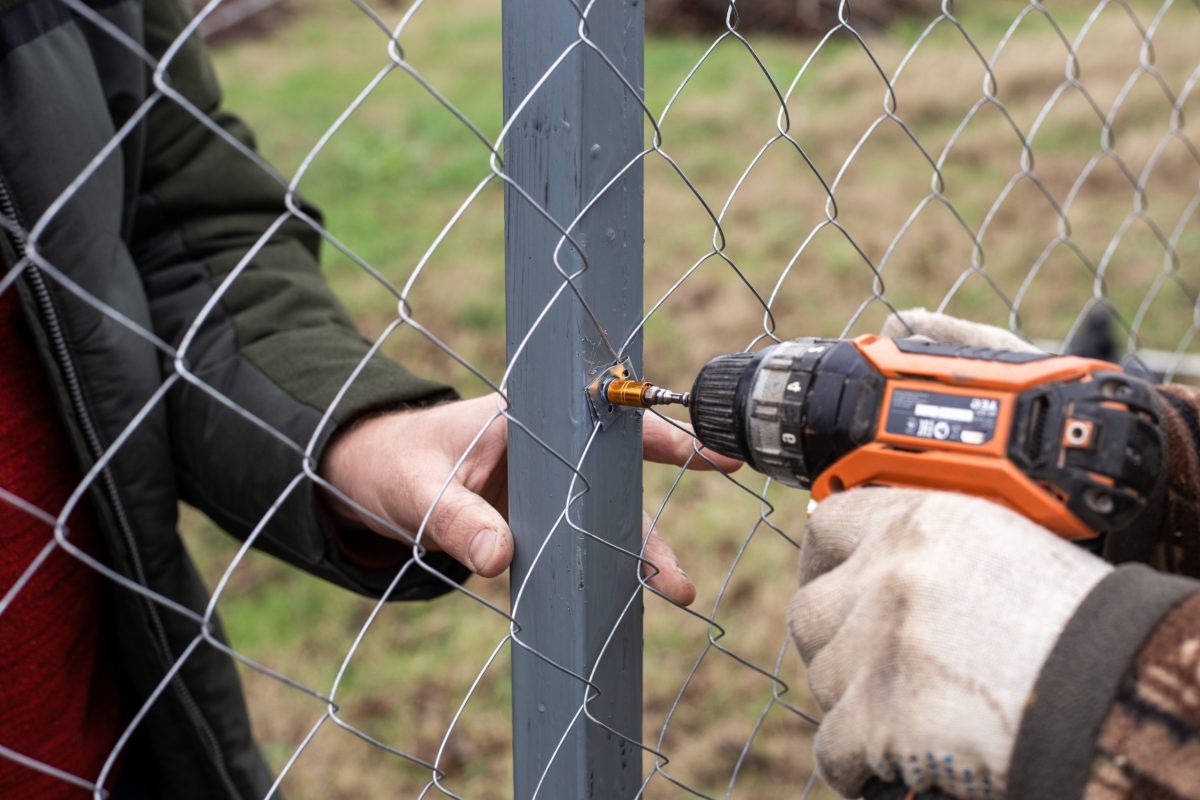
When you are comparing commercial fencing contractors in Florida, you want a licensed, insured, experienced team that handles permitting, knows local code, and stands behind its work, and that is exactly what Fence Direct delivers. Our crews install commercial-grade chain link, welded mesh, and ornamental steel with deep, concrete-set footings engineered for Florida’s humid, hurricane-prone climate, and we manage the permitting and inspection process from start to finish. Every new fence installation is backed by a two-year workmanship warranty on top of the manufacturer coverage, so you can hire with real confidence. We provide clear, itemized estimates, share references readily, and explain your options in plain language so there are no surprises.
If you are ready to hire the right team for your commercial fencing project, reach out to Fence Direct for expert guidance and a free estimate. We return every call within 24 business hours, so getting real specifications and numbers for your property is quick and pressure-free. Contact us today and let our licensed, insured team install a durable, code-compliant commercial fence built for your business, your budget, and your peace of mind.