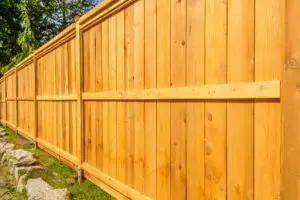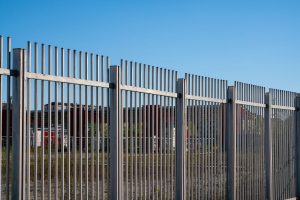
Commercial fence installation protects your business property, controls access, and defines boundaries, but the right approach depends on understanding costs, material types, and careful planning before work begins. If you manage a warehouse, retail site, industrial yard, or campus, the choices you make upfront determine whether your fence performs for decades or becomes a costly liability. This guide breaks down the five main cost factors, the fence types that fit commercial needs, and the planning steps that keep your installation on budget and on schedule.
- Cost factors: You will learn the five things that drive commercial fence pricing.
- Fence types: You will see which materials fit different commercial needs.
- Planning steps: You will understand how to plan an installation that stays on track.
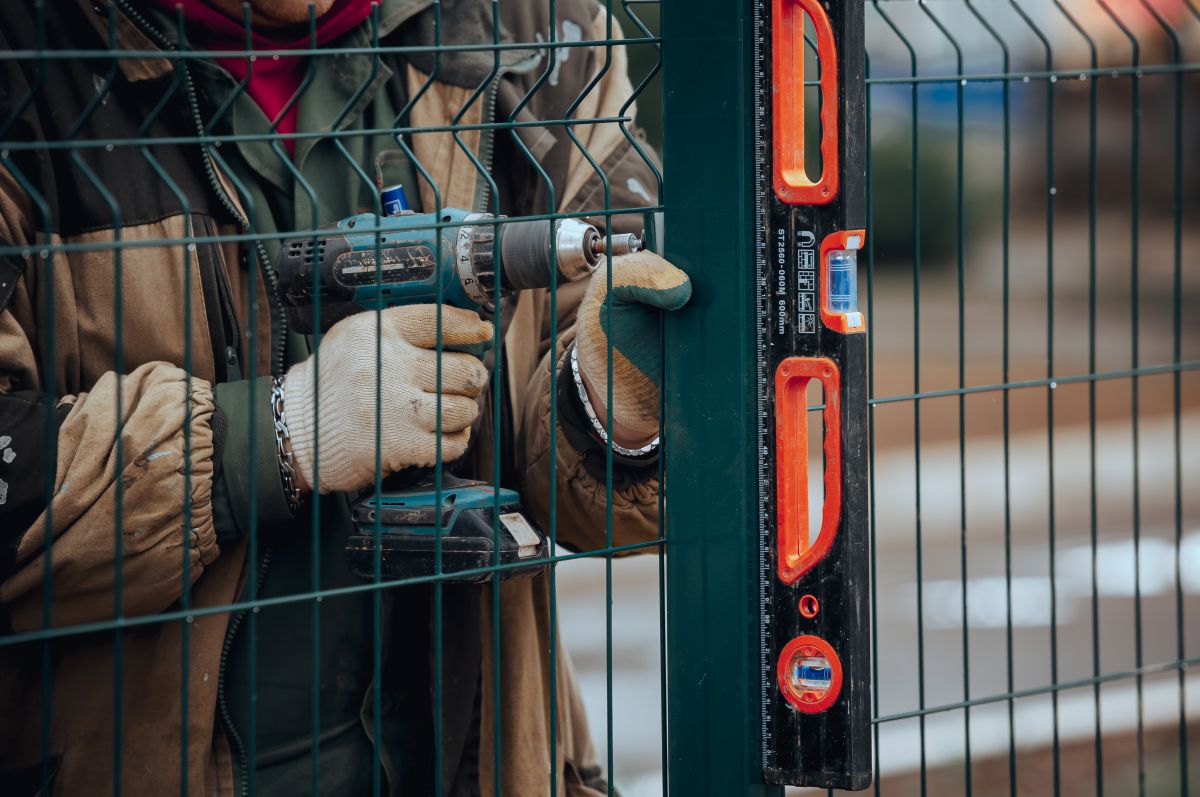
Understanding Commercial Fence Installation
Commercial fence installation involves taller fences, heavier materials, larger gates, and stricter code requirements than residential work, all engineered to secure business and industrial properties. It demands specialized equipment, experienced crews, and coordination with site schedules and permitting that a typical backyard fence never requires.
How Commercial Differs From Residential Installation
Commercial fence installation differs from residential work in scale, materials, and complexity, requiring heavier gauge steel, deeper footings, and stronger gates. Commercial fences often stand 6 to 12 feet tall using 9-gauge or 6-gauge mesh or heavy tubular steel, compared with the 4 to 6 foot, 11.5-gauge fencing common at homes. These installations frequently involve larger vehicle gates, access-control integration, and strict compliance with height, setback, and structural codes. The heavier specifications and tighter requirements are why commercial work calls for contractors equipped and experienced in this type of job.
- Larger scale: Taller fences and longer perimeters than residential.
- Heavier materials: 9-gauge or 6-gauge mesh and tubular steel.
- Bigger gates: Vehicle and automated gates are common.
- Stricter code: Height, setback, and structural rules apply.
The Value of Professional Commercial Installation
Professional commercial installation protects your investment by ensuring the fence meets code, withstands the elements, and performs for decades. A qualified crew sets posts in properly sized concrete footings, tensions the fabric or panels correctly, and hangs gates that operate smoothly under daily use. In Florida, professional installation also means designing for hurricane-force wind loads and coastal corrosion that improper work would fail to address. The result is a fence that passes inspection the first time and delivers lasting security and value.
- Code compliance: Proper work passes inspection the first time.
- Correct footings: Concrete-set posts resist wind and shifting.
- Florida ready: Built for wind loads and coastal conditions.
- Lasting value: Quality installation prevents costly rework.
5 Cost Factors for Commercial Fence Installation
Understanding what drives the price helps you budget accurately and recognize a fair bid. Below are the five biggest cost factors, each with real numbers so you can plan with confidence.
1. Material and Fence Type
Material and fence type are the largest cost drivers, since commercial chain link, welded mesh, and ornamental steel span a wide price range. Commercial-grade chain link is the most economical, often running $15 to $52 or more per linear foot installed depending on gauge and height, while ornamental steel costs significantly more for its polished look and strength. Welded mesh falls in between, prized for its anti-climb security and visibility. Choosing the material that matches your security and appearance needs, rather than over-specifying, keeps costs in line.
- Chain link: The most economical commercial option.
- Welded mesh: Mid-range with strong anti-climb security.
- Ornamental steel: Premium look and strength at higher cost.
- Match the need: Avoid over-specifying beyond your needs.
2. Height and Linear Footage
Height and total footage together shape the bulk of your cost, because taller fences and longer perimeters use more material and labor. Commercial fences commonly range from 6 to 12 feet, with each foot of added height increasing material cost and requiring heavier framework and deeper posts. Total linear footage multiplies every other cost, so a large perimeter naturally costs more than a small enclosure. Measuring accurately and confirming the required height for each zone prevents both overspending and under-building.
- Taller fences: Each added foot raises material and labor.
- Heavier framework: Height demands stronger posts and rails.
- Total footage: More perimeter multiplies every cost.
- Zone planning: Match height to each area’s need.
3. Wire Gauge and Grade
Wire gauge and material grade affect both durability and price, with heavier gauges and commercial grades costing more but lasting longer. Commercial chain link typically uses 9-gauge or 6-gauge mesh, which resists cutting and impact far better than residential 11.5-gauge at a 25 to 35 percent premium. Ornamental steel is similarly graded into residential, commercial, and industrial tiers that directly affect price and strength. Selecting the right gauge and grade for your security level ensures the fence is neither overbuilt nor underbuilt for the site.
- Heavier gauge: 9-gauge or 6-gauge resists cutting and impact.
- Grade tiers: Commercial and industrial grades cost more.
- Premium pricing: Heavier gauge adds 25 to 35 percent.
- Right-sized: Match gauge to the security level needed.
4. Gates and Access Control
Gates and access control add meaningful cost, since commercial sites often need large vehicle gates and automated systems beyond simple walk gates. A commercial walk gate adds a few hundred dollars, while cantilever slide gates, double drive gates, and automated rolling gates cost considerably more with their hardware and motors. Integrating access control, keypads, card readers, or intercoms, adds further expense but delivers the security many businesses require. Planning gate locations and access needs early helps the crew set posts correctly and keeps costs predictable.
- Vehicle gates: Cantilever and drive gates cost more than walk gates.
- Automation: Motors and rolling systems add expense.
- Access control: Keypads and readers increase the total.
- Early planning: Confirm gate needs before installation.
5. Site Conditions, Permits, and Labor
Site conditions, permitting, and labor round out the cost picture, with difficult terrain, old-fence removal, and regional rates all affecting the total. Sloped, rocky, or root-filled ground slows post setting and can add 25 to 50 percent to labor, while removing an existing fence adds demolition and haul-away costs. Commercial permits and required engineering for taller fences add fees and time, especially in Florida where wind-load design applies. Labor typically accounts for roughly half the total installed cost and varies by market.
- Terrain: Slopes and rock add 25 to 50 percent to labor.
- Removal: Demolition and haul-away add to the total.
- Permits: Commercial permits and engineering add cost.
- Labor share: Roughly half the total installed cost.
Common Types of Commercial Fencing
Choosing the right fence type is central to a successful installation, since each material serves different security, visibility, and budget needs. The two sentences below preview the main options and where each fits best.
The Main Commercial Fence Types
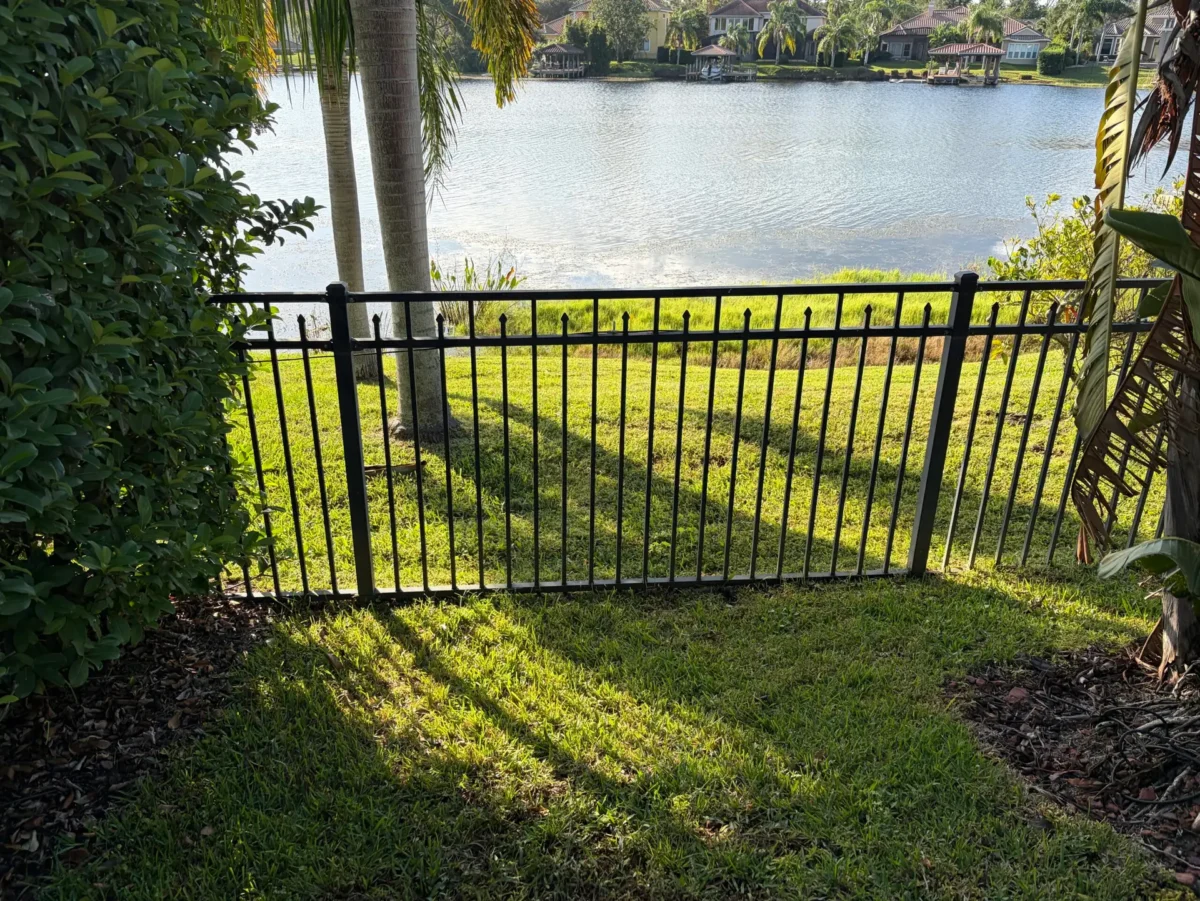
The main commercial fence types are chain link, welded mesh, and ornamental steel, each suited to different priorities. Chain link is the affordable workhorse for perimeters, storage yards, and athletic fields where cost and visibility matter most. Welded mesh offers rigid, anti-climb security with clear sight lines, making it ideal for higher-security perimeters and playgrounds. Ornamental steel delivers a polished, professional appearance for front-of-property and customer-facing areas while still deterring climbing.
According to ASTM International, the F2408 standard for ornamental steel tubular picket fences establishes minimum requirements for residential, commercial, and industrial applications, ensuring these systems provide defined durability, corrosion resistance, and physical security.
- Chain link: Affordable for perimeters, yards, and fields.
- Welded mesh: Anti-climb security with clear visibility.
- Ornamental steel: Polished look for customer-facing areas.
- Add-ons: Privacy slats, barbed wire, and mesh upgrades.
How To Choose the Right Type for Your Property
Choosing the right commercial fence type means matching material to the security level, appearance needs, and budget of each zone. High-security areas like utility yards or equipment enclosures justify heavier gauge chain link or welded mesh with top deterrents, while customer-facing frontages benefit from ornamental steel. Back lots and large perimeters where cost matters most are well served by standard commercial chain link. A zone-by-zone assessment ensures each part of the property gets the right fence without overspending.
- Security zones: Heavier mesh where risk is highest.
- Frontage: Ornamental steel for professional appearance.
- Large perimeters: Chain link for cost efficiency.
- Zone assessment: Right fence for each area’s need.
Planning a Commercial Fence Installation
Careful planning is what keeps a commercial installation on budget and on schedule. The two sentences below preview the key planning steps every business should follow.
The Key Planning Steps
The key planning steps for a commercial fence installation are defining goals, measuring accurately, confirming code, and choosing a qualified contractor. Start by clarifying whether the fence is primarily for security, boundary definition, or appearance, since that drives material and height choices. Then measure the perimeter precisely, mark gate and access points, and confirm local code and permit requirements before requesting bids. Finally, select a licensed, insured contractor experienced in commercial work who can handle permitting and deliver a detailed written estimate.
- Define goals: Security, boundary, or appearance drives choices.
- Measure precisely: Confirm footage, gates, and access points.
- Check code: Verify permits and requirements upfront.
- Vet contractors: Choose a licensed, insured commercial team.
How To Avoid Common Planning Mistakes
Avoiding common planning mistakes means budgeting for extras, confirming timelines, and not choosing a contractor on price alone. Many businesses underestimate footage or forget to budget the 10 to 20 percent buffer that gates, demolition, slopes, and permits require. Rushing the timeline without accounting for permit approval and concrete cure time leads to frustration, and choosing the lowest bid often means paying twice when poor work fails. Planning realistically and vetting contractors carefully prevents these costly missteps.
- Budget a buffer: Allow 10 to 20 percent for extras.
- Realistic timeline: Account for permits and cure time.
- Beyond price: The lowest bid can cost more later.
- Careful vetting: Confirm licensing, insurance, and references.
Frequently Asked Questions
How much does commercial fence installation cost?
Commercial fence installation cost varies widely by material, height, gauge, gates, and site conditions. Commercial chain link is the most economical, often $15 to $52 or more per linear foot installed, while welded mesh and ornamental steel cost more. Request an on-site assessment for an accurate, itemized estimate.
What is the best type of commercial fence?
The best type depends on your priorities: chain link for affordability and visibility, welded mesh for anti-climb security, and ornamental steel for a polished, professional look. Many properties combine types by zone to balance security, appearance, and budget. A zone-by-zone assessment identifies the right mix.
How long does a commercial fence installation take?
Timeline depends on property size, materials, terrain, and permitting, ranging from a few days to several weeks for large sites. A professional contractor provides a realistic schedule after assessing the site. Permit approval and concrete cure time can extend the overall timeline.
Do commercial fences require permits?
Yes, most municipalities require permits for commercial fencing, and taller fences may need engineered plans. Height, setback, and structural requirements vary by jurisdiction, and Florida adds wind-load design. A professional contractor should handle permitting and confirm compliance.
How tall should a commercial fence be?
Commercial fences typically range from 6 to 12 feet, with 6 to 8 feet common for general perimeters and 10 to 12 feet for high-security sites like utility yards. The right height depends on the security level, property layout, and local codes. A professional can recommend the appropriate height by zone.
How do I plan a commercial fence installation?
Start by defining your goals, measuring the perimeter, marking gate and access points, and confirming local code and permit requirements. Then choose a licensed, insured contractor experienced in commercial work who provides a detailed written estimate. Budgeting a 10 to 20 percent buffer for extras keeps the project on track.
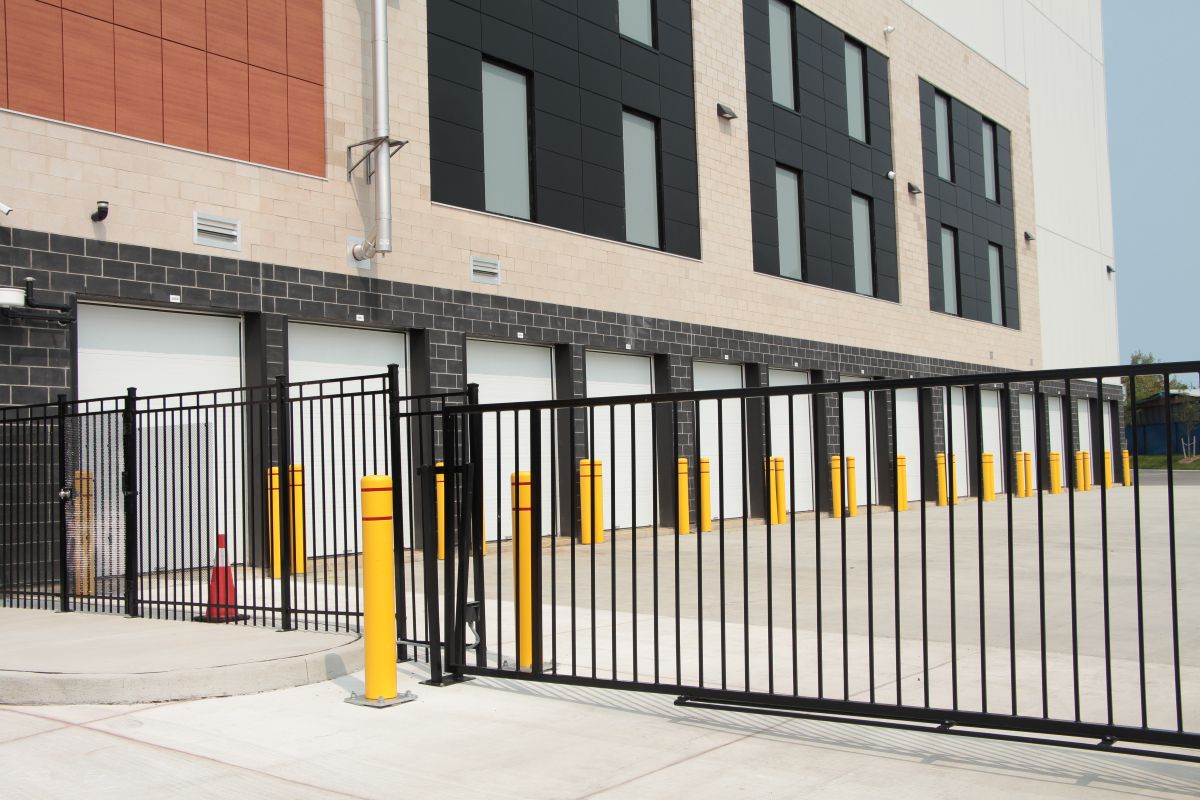
Why Fence Direct Is the Right Choice for Your Commercial Fence Installation
When you are planning a commercial fence installation in Florida, you want a licensed, insured team that understands commercial materials, code compliance, and the balance between security and budget, and that is exactly what Fence Direct delivers. Our crews install commercial-grade chain link, welded mesh, and ornamental steel with deep, concrete-set footings engineered for Florida’s humid, hurricane-prone climate, and we manage permitting and inspection from start to finish. Every new fence installation is backed by a two-year workmanship warranty on top of the manufacturer coverage, so you can invest with real confidence. We assess your site carefully, recommend the right materials for each zone, and provide clear, itemized estimates so there are no surprises.
If you are ready to move forward with a commercial fence installation, reach out to Fence Direct for expert guidance and a free estimate. We return every call within 24 business hours, so getting real specifications and numbers for your property is quick and pressure-free. Contact us today and let our team design and install a durable, code-compliant commercial fence built for your business, your budget, and your peace of mind.