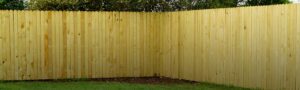
An aging fence can change how a property feels and functions long before it fails completely. Loose boards, leaning posts, a gate that will not close and a boundary that no longer meets household needs are all reasons to investigate the condition of an existing installation. The decision is not always between keeping a fence exactly as it is and replacing every component immediately. A careful inspection can reveal where the problems begin and whether a new layout would work better.
Planning fence replacement in Orlando involves materials, access, property lines, removal and local approval requirements. A homeowner comparing fence contractor options should begin with the scope of the project rather than a single price or style. Our Orlando fence installation page provides background on the materials and process we offer. The following steps can help organize the decisions to make before work begins.
When Is Fence Replacement Better Than Repair?
Begin by separating appearance problems from structural problems. A stained panel may be unattractive yet remain securely attached to sound rails and posts. A leaning fence, repeated gate alignment failure or multiple deteriorating posts is a different situation. Inspecting the entire run helps determine whether one local issue is responsible or whether several sections are reaching the end of their useful condition.
The age of a fence matters, but age alone does not decide the outcome. Exposure, drainage, material quality and previous maintenance can affect different sections in different ways. A sound post beneath a worn panel is not the same as a post that moves at ground level. Similarly, a small hardware problem should not automatically be presented as proof that every panel needs replacing.
Replacement may become more attractive when repairs would be widespread, the fence line no longer suits the property or gates need to move. A new layout can address changing privacy needs, pets, children, traffic patterns or outdoor living spaces. Compare the work needed now with likely future upkeep, without assuming that one approach is universally cheaper. An on-site assessment should distinguish repairable components from components that cannot remain serviceable.
Consider keeping a simple record of what has changed over several seasons. Does the same gate need frequent adjustment? Do panels fail near one low-lying area, or is deterioration spread evenly? These patterns can help separate an isolated defect from a recurring exposure issue. Photographing affected sections can also make discussions about project scope more specific. If the old fence is significantly unstable, maintain a safe distance and arrange appropriate evaluation before children, pets or visitors are allowed nearby.
Inspect the Posts, Panels, Gates, and Fence Structure
Look first at the posts, especially near the ground where water, soil contact and shifting may affect stability. A post that leans or moves when gently checked can indicate a problem deeper than the panel surface. Do not push on a dangerously unstable fence or attempt to dismantle damaged sections without an appropriate plan. Visible checks are useful for identifying concerns, but they are not a substitute for qualified assessment when stability is uncertain.
Next, inspect rails, pickets or panels for loose connections, splits, corrosion, missing pieces and separation. Wood may soften or show decay; metal may exhibit corrosion at connections; some panels can crack or distort. A wood fence replacement in Orlando discussion should consider whether affected sections share the same exposure, because recurring moisture or poor drainage can undermine a new installation if the underlying problem remains.
Test gates as part of the same inspection. A gate that drags may reflect hinge wear, inadequate clearance or a moving support post. Look at latch engagement and how the opening meets adjacent sections. The USDA Forest Service explains wood fence decay protection, including suitable wood selection and construction details for exposed posts and rails. The point is to understand why the older fence developed problems before repeating the same arrangement.

Choose the Right Material for Your Replacement Fence
Replacement gives property owners a chance to select material around current priorities rather than automatically repeating the old installation. Privacy, visibility, appearance, upkeep and the way the boundary meets a gate should all be considered. A material that worked for a quiet rear boundary may be less suitable near a street-facing entrance, and a decorative section may not meet the needs of an enclosed backyard.
Wood provides a natural appearance and several panel configurations, including privacy-oriented styles. It can be stained or finished according to the product used, but regular inspection and maintenance may be necessary. Board spacing, post support and distance from the ground influence how practical a wood fence becomes. Replacing aging wood with new wood makes sense when the owner values that appearance and accepts the associated care.
Vinyl fencing offers a uniform appearance and can suit a yard where visual screening is the priority. Explore panel configurations and how the finish will complement the house. The appropriate product still depends on installation conditions, the exposure of the site and the way gates connect to the rest of the fence. Avoid judging a product solely by its color or a sample panel viewed indoors.
Aluminum fencing is usually selected for an open metal appearance and the ability to see across the boundary. It may suit front yards, landscape edges or areas where privacy screening is not needed. Chain link is another visible boundary option that can work for functional areas and larger runs. No choice is automatically best: the strongest candidate is the material that fits how the property is used, the local requirements and realistic maintenance expectations.
The desired appearance should be reviewed at the scale of an entire property, not just a single sample. A solid fence might create excellent privacy at a patio but feel imposing near a front walkway. An open style may maintain a welcoming view but provide little screening for trash bins or outdoor equipment. Some designs combine a more open front section with privacy-oriented panels in the rear where allowed. Consistency in color and line can connect those choices visually without forcing the same panel everywhere.

Review Property Lines, Fence Layout, and Gate Placement
Do not assume an old fence marks the legal property line. Previous owners may have positioned it within the yard, around a landscape feature or away from an easement. Review a reliable survey and any recorded easements before deciding where new posts belong. A proposed straight run may need adjustment for utilities, access points, drainage or other fixed features on the land.
The Orange County fence permit guidance calls for a dimensioned site plan or survey showing the proposed location and identifies additional documentation when a fence is in an easement. That process is separate from determining whether the property is inside City of Orlando limits. A permit office reviews a defined application; it should not be expected to resolve a private boundary dispute between neighbors.
Use replacement as an opportunity to improve access. A side gate might need to accommodate lawn equipment, while a driveway opening must account for turning and operating clearance. Place latches where they are practical, and think through whether a gate will hit a sidewalk, planted area or parked vehicle. Sketch the fence line and opening directions rather than relying only on dimensions taken from the existing fence.
If landscaping will remain, allow for trunks, roots and ongoing plant growth. If changes to the landscape are planned, coordinate them with the fence layout so that posts will not interfere with future work. Neighbors may also need advance notice when a shared-looking boundary is being changed, even where the fence itself sits fully inside one property.

Check Orlando Fence Permits and HOA Requirements
A fence replacement project may require a permit even when the new fence follows the old general path. The correct rules depend on the property address, zoning and work scope. The City of Orlando permitting page lists several triggers, including corner lots, certain height conditions, commercial properties, pool barriers, public easements and gates for vehicles or powered operation. Review the current city guidance before assuming that a like-for-like replacement is exempt.
For properties outside city limits, Orange County follows its own process. Historic areas, flood-related rules or other site conditions may create extra considerations. A property owner should confirm the jurisdiction, whether a permit is needed, and what drawings must accompany an application. Start these checks before demolition so the replacement does not create a prolonged gap in the boundary while approvals are sought.
An HOA may regulate allowed styles, colors, heights or placement independently of the city or county. An approval from an association does not replace a government permit, and a municipal approval does not override private covenants. If a fence surrounds a pool, confirm that any barrier maintained during removal and replacement satisfies the applicable safety obligations. Coordinate the sequence rather than removing a functional barrier without an acceptable temporary arrangement.
What Happens During Fence Removal and New Installation?
An orderly project begins with an accurate understanding of the existing fence and the proposed replacement. Document current gates, obstacles, materials and fence lengths. Confirm which sections will be removed and whether any adjoining structures rely on shared components. Access for people, vehicles and pets needs special attention when the old barrier is taken down.
Before digging post holes, Sunshine 811 instructs property owners to request a locate ticket and allow the required lead time for utility marking. Marking buried facilities is not the same as verifying a survey or permission to work in an easement. These checks should happen before equipment starts disturbing the ground. Do not infer from an unmarked area that no underground hazards exist.
After the site is prepared, the old panels and posts can be removed according to the agreed scope. Debris handling and any restoration work should be discussed before removal so that neither party assumes the other is responsible. New post positions should then be established from the approved layout, taking account of gates, alignment and changes in ground level. The steps and sequence vary with materials, site access and permit conditions.
Once the posts are set appropriately, rails or panels and gates can be fitted. A completed fence should be reviewed for alignment, suitable clearances, secure connections and practical gate operation. Check that site cleanup and any required inspections are addressed before considering the project finished. A sound installation is about all these details working together, not merely seeing uninterrupted panels from one end of the yard to the other.

Questions to Ask Before Starting a Replacement Project
Ask what was learned from the old fence. If posts moved because the ground is persistently wet, how will the proposed design address that condition? If the gate opening was awkward, what dimensions would serve everyday use better? If a large part of the fence failed together, will the assessment cover the full run rather than the most visible damage?
Clarify the material and style in writing, along with the proposed fence line, gate locations and any expected variations in height. Confirm who will check permits and HOA requirements, how utilities will be located and which party will arrange required inspections. Ask how the old fence and debris will be removed and what property areas will need to stay accessible during installation.
It is also useful to discuss what an estimate includes and what might cause a change in scope, such as hidden footing conditions or previously unknown obstructions. Do not treat a general timeline or a promotional claim as a guarantee for the specific property. Clear expectations about approvals, access and completion criteria make the planning discussion more productive.
Compare proposals using the same scope of work. One estimate may describe only the visible panels while another explicitly includes removal, gates, site preparation and disposal. A low headline number is not informative without knowing those inclusions. Request clarification where a material, post specification, approval responsibility or finish detail is unclear, and keep the agreed scope available during the project.

Make Your Next Fence Fit Your Property Better
Fence replacement is an opportunity to solve the original fence problems and make thoughtful improvements to privacy, access and material choice. Inspect the posts and connections, verify boundaries and permits, and decide how the property should function before settling on the final fence style. Careful preparation matters more than rushing to duplicate a layout that was inconvenient.
At Fence Direct, we install vinyl, aluminum, wood and chain-link fencing for homeowners in the Orlando area. Our wood fencing information can help when comparing traditional materials with other options. If you are considering vinyl fence installation or speaking with fence installers in Orlando, contact our team to request a free replacement-fence estimate.