A fence can change how a property looks, functions, and feels, but choosing between two popular materials is not always straightforward. Vinyl and aluminum each offer distinct benefits, and the better fit depends on what you need from your fence.
For Lakeland property owners considering aluminum fencing or vinyl fencing, factors such as privacy, appearance, maintenance, durability, and intended use deserve attention. This comparison looks at how the two materials differ and what to consider before moving forward with fence installation in Lakeland, FL.
Vinyl vs. Aluminum: The Basic Difference
Vinyl fencing is made from PVC and is particularly well suited to properties where privacy and a clean, solid appearance are priorities. It is available in styles designed to create more enclosed boundaries, making it a common choice for backyards and areas where homeowners want separation from neighboring properties.
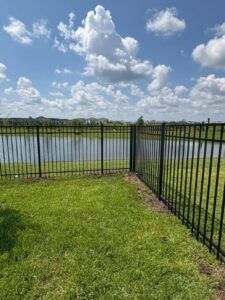
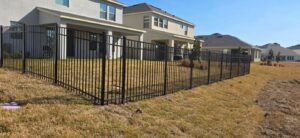
Aluminum fencing has a different appearance. Its open picket design creates defined boundaries without blocking the view. It can suit front yards, pools, gardens, and properties where an open, decorative appearance is preferred.
These differences are reflected in the options offered by professional fencing providers. Vinyl is described as weather-resistant and suitable for privacy and curb appeal, while aluminum is positioned as a durable, low-maintenance option for decorative and security applications.

Appearance and Curb Appeal
Vinyl can create a traditional, uniform appearance and works particularly well with privacy-oriented designs. Its solid panels can give a backyard a more enclosed feel, while styles can be selected to complement the home’s exterior.
Aluminum has a lighter visual presence. The clean lines and open sections can add definition without making the property feel closed off, which can be useful for front yards or properties where maintaining visibility is part of the design.
Durability in Florida Conditions
Lakeland’s warm, humid climate means outdoor fencing needs to cope with sun, moisture, and changing weather conditions.
Aluminum naturally develops a thin oxide layer when exposed to air. This oxide film can create a protective barrier that significantly slows further corrosion.
Vinyl has its own weather-resistance advantages. PVC is widely used in exterior construction products because of its durability against the elements and weathering.
This does not mean all vinyl fencing performs identically; formulation and product quality matter.
Maintenance Requirements
One reason both materials are popular is their relatively low maintenance compared with traditional wood fencing.
Vinyl does not need routine painting or staining, and quality vinyl products are designed to resist fading, cracking, and warping. Basic cleaning can generally help maintain its appearance.
Aluminum also requires relatively little upkeep. Its resistance to atmospheric corrosion means homeowners do not have to deal with the same type of recurring maintenance associated with materials that are more vulnerable to corrosion.
That makes either material worth considering for homeowners who want to spend less time maintaining their fence.

Privacy: Vinyl Has the Advantage
When privacy is the main goal, vinyl is generally the more suitable option.
Solid vinyl fence designs can reduce visibility between properties and create a more enclosed backyard. This can make them useful around outdoor living areas, pools, and spaces where homeowners want greater separation.
Aluminum’s open construction does the opposite. It maintains visibility across the property, which can be desirable when appearance, openness, or visibility is more important than privacy.
The choice therefore comes down to the function of the fence rather than simply the material itself.
Where Aluminum Makes More Sense
Aluminum fencing can be particularly useful where homeowners want a decorative boundary without obstructing views. It can work well around front yards, landscaped areas, pools, and properties where an open design is preferred.
Professional aluminum fencing providers also commonly position it for both residential and commercial applications, with clean designs that can complement a range of property styles.
Where Vinyl Makes More Sense
Vinyl becomes particularly appealing when privacy and reduced maintenance are high priorities.
A backyard that faces a busy road or neighboring homes may benefit from a solid fence. Vinyl can also work well when homeowners want a consistent appearance without the ongoing painting or staining associated with some other fencing materials.
For those researching vinyl fence installation, it is worth discussing fence height, layout, gate placement, and the level of privacy needed before selecting a specific style.

The best choice ultimately comes down to how you want your fence to look, function, and fit your property’s long-term needs. Vinyl can provide privacy and a low-maintenance solid boundary, while aluminum offers an open, clean appearance with durable performance.
For homeowners comparing materials for fence installation in Lakeland, FL, having access to both options can make it easier to choose based on the property rather than simply the material’s appearance.
Fence Direct provides both vinyl and aluminum fencing as part of its Central Florida fencing services. Our vinyl options are designed to resist fading, cracking, and warping without requiring painting or staining, while aluminum fencing offers a clean, durable design suited to front yards and decorative applications.
Plan a fencing solution around your property’s needs; contact us today.