Choosing a fence contractor involves more than comparing prices. A fence is a long-term addition to a property, and the quality of the installation can affect its appearance, durability, maintenance needs, and overall performance. Asking the right questions before signing a contract gives homeowners a clearer understanding of what they are paying for and how the project will be handled.
From licensing and materials to permits, timelines, warranties, and written estimates, the questions to ask a fence contractor should cover the entire project. A detailed conversation before installation can also help identify potential costs or complications before work begins.
1. How Much Experience Do You Have?
Experience is one of the first things homeowners should ask about. A contractor who has completed many fencing projects may have experience working with different property layouts, materials, soil conditions, grades, and installation requirements.
It is useful to ask how long the company has been operating and whether it regularly handles projects similar to yours. Residential fencing, pool enclosures, commercial properties, and security fencing can involve different considerations. Homeowners can also ask whether the contractor has completed projects in their local area. Familiarity with local requirements, permitting procedures, and common property conditions can be useful when planning the installation.
2. What Types of Fencing Do You Install?
Not every contractor specializes in every type of fence. Ask which materials and styles the company regularly installs and whether they can explain the differences between them. Common options include vinyl, aluminum, wood, and chain link. Each has different characteristics regarding privacy, maintenance, appearance, durability, and cost.
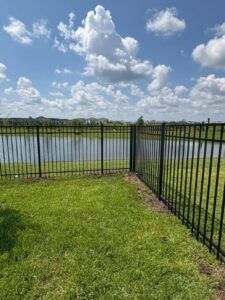
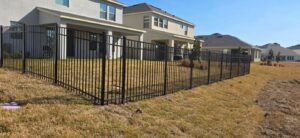
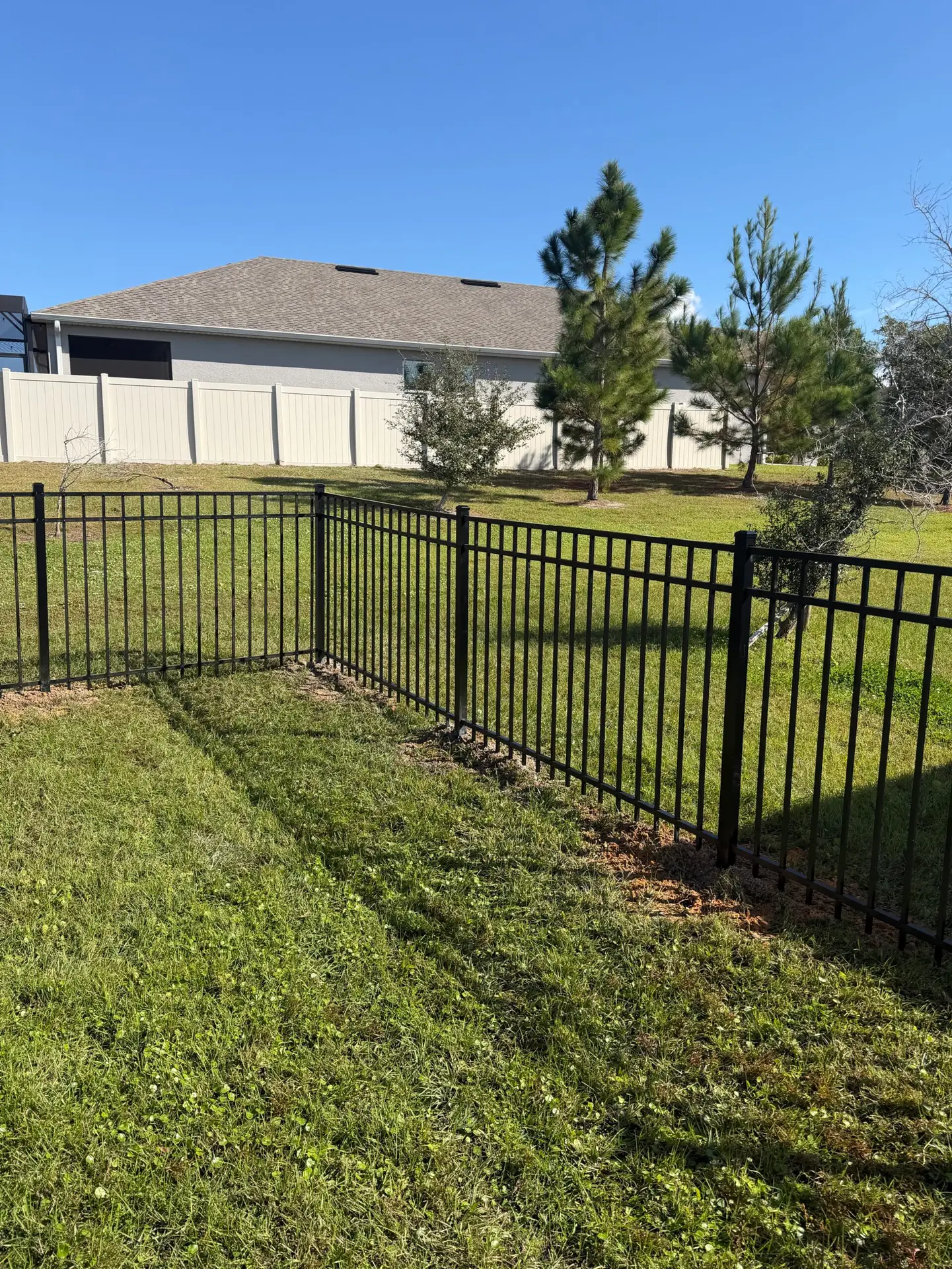
For example, vinyl may be considered when low maintenance and privacy are priorities. Aluminum can provide an open appearance and may work well where visibility is desirable. Wood offers a traditional appearance and can be customized in various ways, while chain link can provide a practical boundary with strong visibility. The contractor should be able to explain how each option would work for your specific property rather than simply recommending one material without discussing your needs.
3. What Is Included in the Installation?
A fence installation quote can look straightforward until homeowners discover that certain services or materials are priced separately. Ask exactly what the quoted price includes. This may involve materials, posts, hardware, labor, removal of an existing fence, site preparation, gates, permits, cleanup, and other project requirements.
It is also worth asking whether there are circumstances that could result in additional charges. For example, difficult access, unexpected site conditions, or changes requested after installation begins may affect the final cost. Getting these details in writing makes it easier to understand what the estimate actually covers.
4. Will You Handle Permits and HOA Requirements?
Depending on the property’s location and the type of fence being installed, permits or approvals may be required. Some communities also have HOA rules governing fence height, materials, placement, colors, and other characteristics. Ask the contractor whether they handle permit applications and whether they can assist with HOA requirements. If they do, clarify whether these services are included in the estimate or charged separately.
This is particularly important for homeowners who are unfamiliar with local regulations. A contractor should not simply begin construction without determining whether the proposed fence meets applicable requirements.
5. How Long Will the Project Take?
A contractor may be able to provide an estimated installation timeframe after evaluating the property, but homeowners should ask what factors could affect the schedule. Material availability, weather, permitting, property conditions, project size, and unexpected site issues can all influence timing.
Rather than relying on a vague promise, ask when the project is expected to begin, how long installation should take, and how schedule changes will be communicated. If materials need to be ordered, ask when they are expected to arrive. This can help distinguish the material lead time from the actual installation period.

6. Can I See Examples of Your Previous Work?
Photos of completed projects can provide useful information about a contractor’s workmanship and experience with particular fence types. When reviewing previous work, homeowners can look at details such as post alignment, gate installation, transitions around landscaping, corners, slopes, and the overall consistency of the finished fence.
If possible, ask for examples that are similar to the proposed project. A contractor who regularly installs the same type of fence can demonstrate how that material works in different property layouts. Homeowners may also want to check independent customer reviews and look for patterns in feedback rather than relying on a single testimonial.
7. What Warranty Do You Provide?
Warranties can differ considerably, so homeowners should ask exactly what is covered and for how long. There may be separate warranties for materials and workmanship. A manufacturer’s warranty may cover certain defects in the fencing materials, while a contractor’s workmanship warranty may address problems associated with the installation itself.
Ask what the warranty covers, what it excludes, how claims are submitted, and whether any maintenance requirements affect coverage. These details should ideally be provided in writing. A warranty should be viewed as part of the overall agreement rather than as a substitute for evaluating the contractor’s experience and installation practices.
8. How Will You Handle Changes or Unexpected Issues?
Even a well-planned project can encounter unexpected conditions. A contractor may discover an obstruction, drainage issue, difficult soil, or another condition that was not apparent during the initial estimate. Ask what happens if something changes after work begins.
A clear process should explain how the homeowner will be informed and whether additional work requires approval before it is performed. This question is particularly useful because it establishes expectations before an issue occurs rather than leaving homeowners to negotiate costs in the middle of installation.

Get Started With Fence Direct
At Fence Direct, we believe homeowners should have clear answers before beginning a fencing project. With more than 20 years of experience, our team of fence contractors provides professional fence installation across Orlando, FL, using quality materials from trusted manufacturers. As an experienced residential fence company, we install vinyl, aluminum, wood, and chain link fencing and can help with specialized projects such as a pool fence or custom gates. We also assist with permits and HOA requirements, provide free project estimates, and back new installations with a 2-year workmanship warranty. Fence Direct has also fully acquired Sunstate Fence’s operations.
If you are comparing contractors or have questions to ask our fence contractors, contact us to discuss your needs, review your options, and receive a clear estimate from our experienced team.