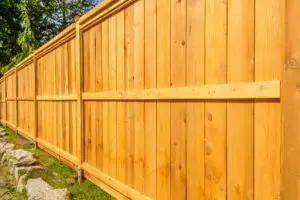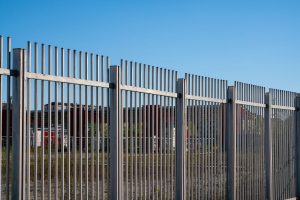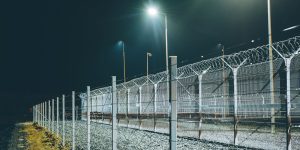
Security fence installation protects your property most effectively when it starts with careful planning around threat level, site conditions, and access needs rather than material alone. If you manage a warehouse, utility site, data center, or commercial property, the choices you make before the first post goes in determine whether your fence delivers real protection or leaves gaps a determined intruder can exploit. This guide walks through seven planning steps, the cost factors that shape your budget, and the pro tips that separate a professional installation from a risky one.
- Planning steps: You will learn the seven steps that set up a successful installation.
- Cost factors: You will see what drives security fence pricing and where dollars go.
- Pro tips: You will get expert guidance on post depth, gates, and integration.
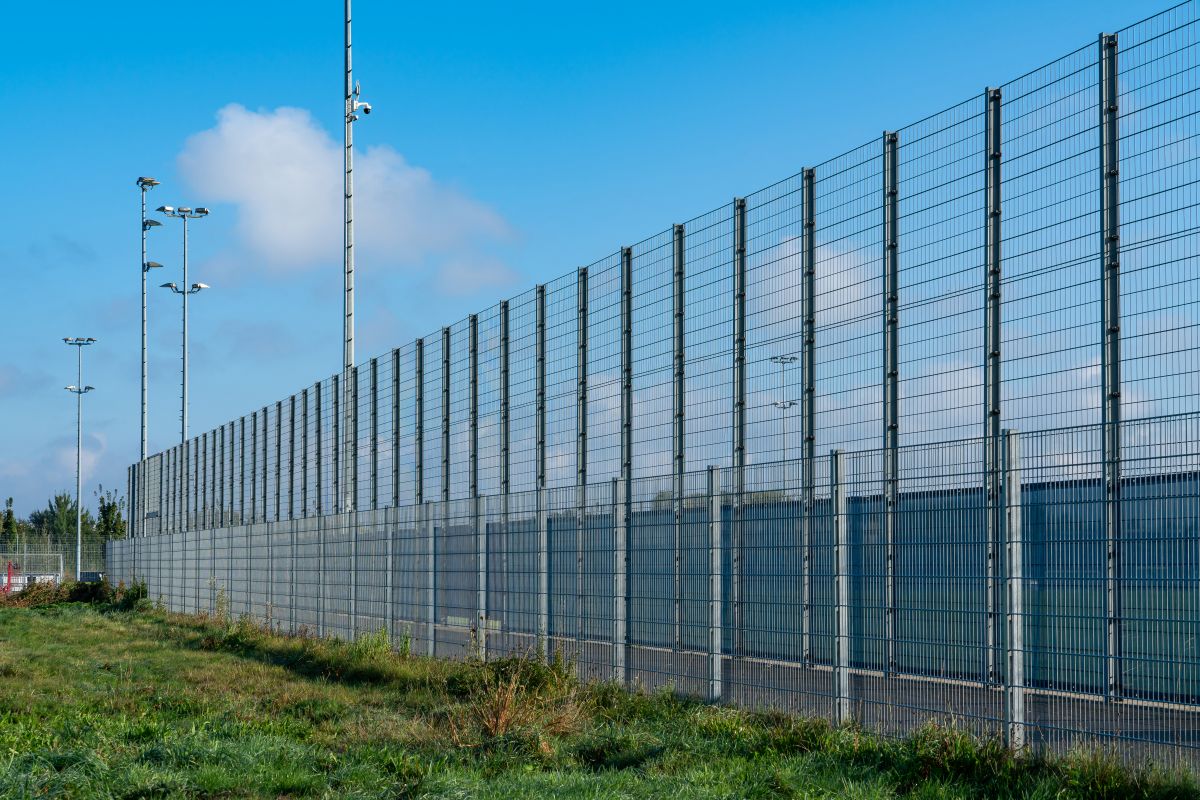
Understanding Security Fence Installation
Security fence installation involves more than setting posts and hanging panels; it requires designing a perimeter that deters, delays, and detects intrusion as part of a layered strategy. Proper planning, code compliance, and professional installation are what turn quality materials into a barrier that actually protects.
Why Planning Matters More Than Materials
Planning matters more than materials because even premium fencing fails to protect when it is poorly placed, wrong for the threat, or installed with gaps. A fence that ignores weak points, sets posts too shallow, or leaves ground gaps gives intruders exactly the openings they need, regardless of how strong the panels are. Thoughtful planning aligns the fence with the actual risk, the site’s terrain, and the access points people use every day. This upfront work prevents the costly rework and security failures that come from rushing into installation.
- Placement matters: Weak points undermine even strong fencing.
- Match the threat: The right fence fits the actual risk.
- Consider terrain: Ground gaps and slopes need planning.
- Prevent rework: Good planning avoids costly fixes.
The Value of Professional Installation
Professional security fence installation protects your investment by ensuring the fence meets code, resists the elements, and closes the gaps that compromise security. A qualified crew sets posts at the correct depth in concrete, tensions panels properly, and hangs gates that operate smoothly while locking securely. In Florida, professional installation also means designing for hurricane-force wind loads and coastal corrosion that improper work would fail to address. The result is a barrier that passes inspection and delivers reliable protection for decades.
- Code compliance: Proper work passes inspection.
- Correct depth: Concrete-set posts resist wind and shifting.
- Florida ready: Built for wind loads and coastal conditions.
- No gaps: Professional work closes security weak points.
7 Planning Steps for Security Fence Installation
Following these seven steps sets up a security fence installation that delivers real protection within budget. Below is each step with the specifics to confirm and why it matters.
1. Assess Your Threat Level
Assessing your threat level is the essential first step, since it determines the material, height, and features your fence needs. Start by identifying what you are protecting, from equipment and inventory to sensitive infrastructure, and the risks each faces from theft, vandalism, or intrusion. This honest assessment prevents both overspending on more security than you need and under-protecting high-value assets. The threat level drives every decision that follows, so it deserves careful thought before anything else.
- Identify assets: Know what you are protecting and its value.
- Assess risks: Consider theft, vandalism, and intrusion.
- Right-size security: Avoid over- or under-protecting.
- Foundation step: Threat level drives every other choice.
2. Survey the Site and Terrain
Surveying the site and terrain reveals the conditions that shape your fence layout, cost, and security. Walk the full perimeter to note slopes, drainage features, rocky or sandy soil, and existing structures the fence must tie into. Sloped ground may call for rackable or palisade systems that avoid bottom gaps, while soil type affects how posts must be set. Identifying these conditions early prevents surprises and ensures the fence follows the ground without leaving exploitable openings.
- Walk the perimeter: Note slopes, drainage, and structures.
- Check soil: Sandy or rocky ground affects post setting.
- Plan for slopes: Rackable or palisade avoids ground gaps.
- Avoid surprises: Early survey prevents mid-job changes.
3. Confirm Codes and Permits
Confirming codes and permits protects you from fines, failed inspections, and forced removals down the road. Most municipalities require permits for commercial and security fencing, and height, setback, and material rules vary by jurisdiction. Taller security fences and those with barbed or razor wire often trigger additional review, and Florida adds hurricane wind-load requirements. Confirming these requirements before installation, or having your contractor handle them, keeps the project compliant and on schedule.
- Permits required: Most areas require them for security fences.
- Local rules: Height, setback, and material limits vary.
- Extra review: Barbed wire and tall fences may need approval.
- Florida factor: Wind-load design applies statewide.
4. Choose the Right Fence Type
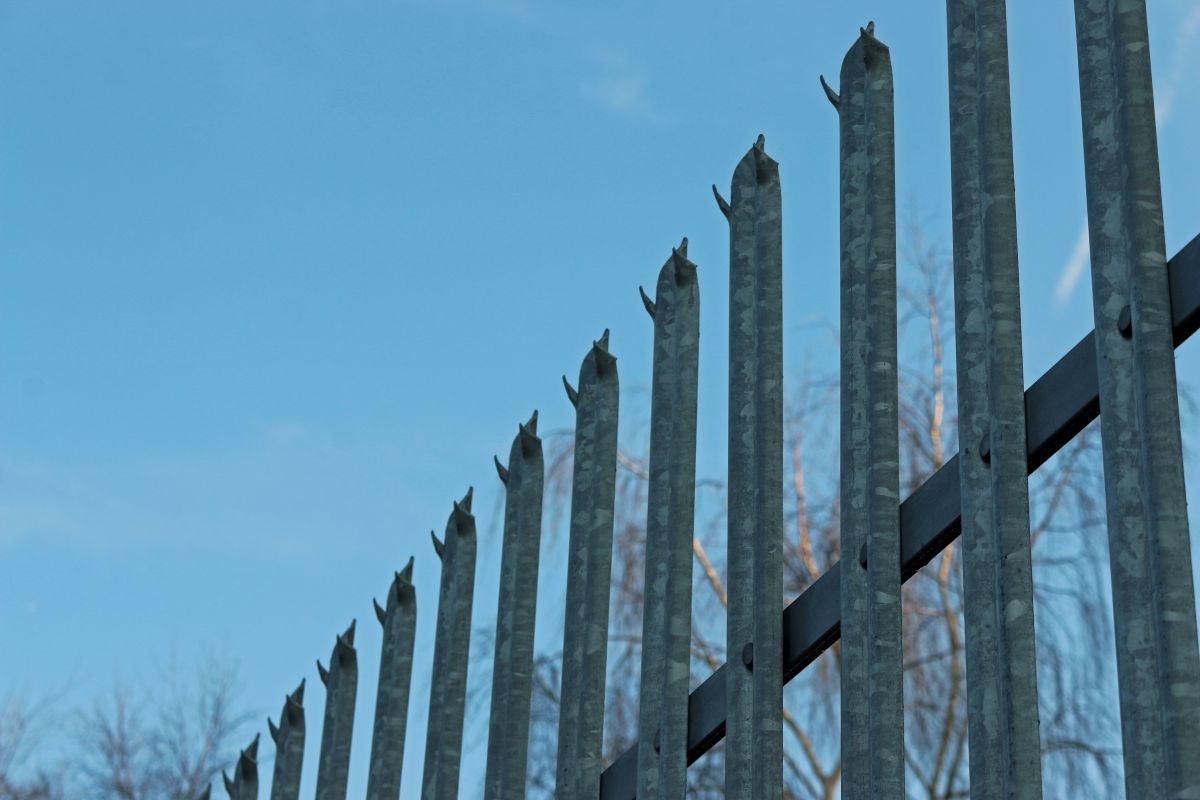
Choosing the right fence type means matching the material to the threat level identified in step one. Chain link suits large, lower-risk perimeters, welded mesh and palisade fit general high-security needs, and anti-climb or crash-rated systems protect critical infrastructure. Each option balances protection, visibility, and cost differently, so the choice should reflect both security goals and budget. A professional can recommend the right type for each zone, ensuring the perimeter is neither overbuilt nor underbuilt.
- Match the threat: Fence type follows the risk level.
- Balance factors: Weigh protection, visibility, and cost.
- Zone approach: Different areas may need different types.
- Expert input: A pro matches type to each zone.
5. Plan Gates and Access Points
Planning gates and access points is critical, since a fence is only as strong as its weakest entry and gates take the most daily wear. Decide where vehicle and pedestrian gates go before setting posts, because moving a concrete-set post later is difficult and costly. Match gate hardware, self-closing hinges, locks, and drop bars, to the security level of the fence itself, so the entry is not the weak link. For controlled sites, plan any access-control integration at this stage too.
- Plan first: Set gate locations before pouring posts.
- Match hardware: Gate security should equal the fence.
- Vehicle and foot: Size gates for all traffic types.
- Access control: Plan integration early.
6. Design for Post Depth and Footings
Designing for proper post depth and footings ensures the fence stays upright and secure for decades. A common rule of thumb sets roughly one-third of the total post length underground, so a taller security fence needs longer posts buried deeper in concrete. In Florida, footings must resist sandy soil, high water tables, and hurricane-force wind, which makes depth and concrete quality especially important. Getting this right during planning prevents the leaning and loosening that shallow posts cause.
- Depth rule: Roughly one-third of the post length underground.
- Taller fences: Need longer posts set deeper.
- Concrete footings: Anchor posts against wind and soil shift.
- Florida factor: Depth resists sandy soil and wind.
7. Choose a Qualified Contractor
Choosing a qualified contractor is the final planning step and one of the most important, since installation quality determines whether the fence performs. Look for a licensed, insured contractor with experience in security and commercial work, a portfolio of similar sites, and a detailed written estimate. Confirm they handle permitting, use their own trained crews, and back their work with a workmanship warranty. Vetting carefully here protects both your investment and your property from the costs of poor installation.
- Licensed and insured: Verify credentials and coverage.
- Relevant experience: Look for security and commercial work.
- Detailed estimate: Itemized scope prevents surprises.
- Workmanship warranty: Confirm they stand behind the work.
Security Fence Installation Costs
Understanding what drives cost helps you budget accurately and compare bids fairly. The two sentences below preview the pricing factors and the hidden costs to plan for.
What Drives Security Fence Installation Costs
Security fence installation costs are driven by material type, height, footage, gauge, gates, terrain, and labor. Security fencing ranges from about $10 per linear foot for chain link to $60 or more for top-tier crash-rated systems, with labor often accounting for 40 to 60 percent of the total. Taller fences, heavier gauge, tighter mesh, and larger gates all raise the price, as do sloped or rocky terrain and old-fence removal. An itemized estimate shows exactly where your budget goes and helps you compare bids on equal terms.
- Material and height: The biggest drivers of per-foot cost.
- Labor share: Often 40 to 60 percent of the total.
- Gates and gauge: Heavier specs and more gates add cost.
- Site conditions: Terrain and removal raise labor.
The Hidden Costs To Plan For
Hidden costs to plan for include permits, surveys, site prep, and a contingency buffer that many budgets overlook. Permits can run from under a hundred to several hundred dollars, and taller security fences may require engineered plans that add fees. Clearing brush, removing old fencing, and preparing uneven ground all add labor before new posts go in. Budgeting a 10 to 20 percent contingency for these extras keeps the project on track when site conditions turn out more complex than expected.
- Permits and plans: Fees rise for taller, engineered fences.
- Site prep: Clearing and removal add labor.
- Survey costs: Confirming property lines may add expense.
- Contingency: Budget 10 to 20 percent for surprises.
Frequently Asked Questions
How much does security fence installation cost?
Security fence installation ranges from about $10 per linear foot for chain link to $60 or more for top-tier crash-rated systems in 2026. Labor typically accounts for 40 to 60 percent of the total. Height, gauge, gates, terrain, and permits all affect the price, so request an on-site assessment for an accurate estimate.
How long does a security fence installation take?
Timeline depends on property size, materials, terrain, and permitting, ranging from a few days to several weeks for large sites. A professional contractor provides a realistic schedule after assessing the site. Permit approval and concrete cure time can extend the overall timeline.
How deep should security fence posts be set?
A common rule sets roughly one-third of the total post length underground, so taller security fences need deeper footings. In Florida, posts must be set deep in concrete to resist sandy soil, high water tables, and hurricane-force wind. Proper depth prevents leaning and loosening over time.
Do security fences require permits?
Yes, most municipalities require permits for security and commercial fencing, and taller fences may need engineered plans. Height, setback, and material rules vary by jurisdiction, and Florida adds wind-load design. A professional contractor should handle permitting and confirm compliance.
Can I install a security fence myself?
DIY may work for short, simple, low-security runs, but security fence installation is best left to professionals for proper post depth, tensioning, and code compliance. Mistakes can leave gaps, fail inspection, or void warranties. Professional installation ensures the fence actually protects and keeps warranties intact.
How can I make a security fence more effective?
You can boost effectiveness with anti-climb toppers, heavier gauge or tighter mesh, secure gate hardware, and integration with cameras and sensors. Proper post depth and closing ground gaps also matter as much as height. A professional can recommend the right combination for your threat level.
Why Fence Direct Is the Right Choice for Your Security Fence Installation
When you are planning a security fence installation in Florida, you want a licensed, insured team that assesses your threat level, plans around your site and access needs, and builds to withstand the local climate, and that is exactly what Fence Direct delivers. Our crews install security-grade chain link, welded mesh, palisade, and high-security systems with deep, concrete-set footings engineered for Florida’s humid, hurricane-prone conditions, and we manage permitting and inspection from start to finish. Every new fence installation is backed by a two-year workmanship warranty on top of the manufacturer coverage, so you can protect your property with real confidence. We assess your site carefully, recommend the right protection level for each zone, and provide clear, itemized estimates so there are no surprises.
If you are ready to move forward with a security fence installation, reach out to Fence Direct for expert guidance and a free estimate. We return every call within 24 business hours, so getting real specifications and numbers for your site is quick and pressure-free. Contact us today and let our team plan and install a durable, high-security fence built for your property, your budget, and your peace of mind.