Chain link fence cost in Florida typically runs $12 to $26 per linear foot installed, making it the most budget-friendly way to secure a yard, contain pets, or mark property lines across the Sunshine State. If you are pricing out a new fence, you probably want a clear breakdown of what drives that number and why quotes can vary so widely from one contractor to the next. This guide explains the seven biggest price factors for 2026, with real dollar ranges and Florida-specific details like salt air and hurricane wind that affect your final quote.
- Real pricing: You will see Florida-specific ranges, from $12 to $26 per linear foot installed.
- Seven key factors: You will learn exactly what pushes your price up or down.
- Local know-how: You will understand how salt air, wind code, and permits shape Florida costs.
What Is the Average Chain Link Fence Cost in Florida?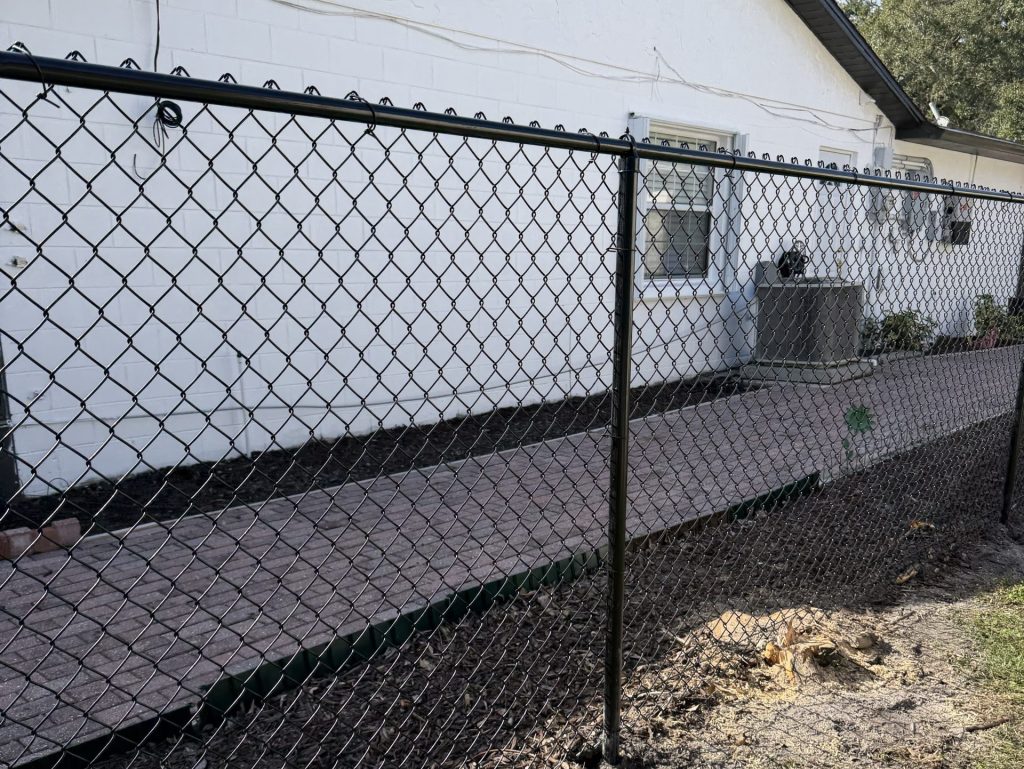
The average chain link fence cost in Florida is about $18 per linear foot installed, with most residential jobs landing between $12 and $26 per foot. That works out to roughly $1,800 to $3,900 for a typical 150-foot backyard before gates and upgrades.
How Does Florida Pricing Compare to the National Average?
Florida chain link pricing sits near or slightly below the national average, largely because the state has a competitive fencing market and no snow or frost-line digging to complicate installation. Nationally, chain link runs $10 to $40 per linear foot installed, while Florida metros like Tampa report $12 to $20 and Orlando reports $11 to $26 per foot. The state’s warm climate keeps labor moving year-round, which helps hold prices steady. That said, coastal salt air and hurricane wind requirements can nudge costs upward for homes near the water.
- Florida typical: About $18 per linear foot installed statewide.
- Tampa range: Roughly $12 to $20 per linear foot in 2026.
- Orlando range: Roughly $11 to $26 per linear foot in 2026.
- National context: $10 to $40 per foot across the U.S.
What Is Included in a Typical Installed Price?
An installed chain link fence cost typically includes the mesh fabric, posts, top rail, tension wire, hardware, concrete footings, and labor. Materials alone average around $11 per linear foot, with the remainder covering labor, footing concrete, permits, and warranty coverage. Labor usually accounts for about half of the total, which is why regional wage rates matter so much to your bottom line. Getting an itemized quote helps you confirm nothing important, like permits or old-fence removal, was left out.
- Materials: Mesh, posts, rails, tension wire, and hardware.
- Labor: Roughly half the total installed cost.
- Footings: Concrete to anchor posts against Florida wind.
- Extras: Permits, warranty, and sometimes removal.
7 Top Factors That Affect Chain Link Fence Cost
Understanding what drives the price helps you budget accurately and recognize a fair quote. Below are the seven biggest cost factors for 2026, each with real numbers so you can plan with confidence.
1. Linear Footage
Total linear footage is the single largest driver of chain link fence cost, because every added foot means more mesh, more posts, and more labor. Most Florida homeowners pay $12 to $26 per linear foot installed, so a 150-foot backyard typically runs from about $1,800 to $3,900 depending on height and materials. Measuring your fence line accurately before requesting quotes is critical, since most homeowners underestimate their footage by 15 to 25 percent. Corners, gate openings, and jogs around AC pads or pool decks all add to the count.
- Cost range: Roughly $12 to $26 per linear foot in Florida.
- Typical yard: A 150-foot run often lands between $1,800 and $3,900.
- Measure carefully: Homeowners often undercount by 15 to 25 percent.
- Count obstacles: Jogs around pads and pools add footage.
2. Fence Height
Fence height directly affects cost because taller fences use more mesh, heavier framework, and more labor to install. A 4-foot fence, common for front yards and pet containment, sits at the low end, while a 6-foot fence increases material costs by roughly 30 to 40 percent. In Florida, height also intersects with building code, since fences over 6 feet trigger stricter engineering and permitting. Choosing the height that matches your actual need, rather than defaulting to the tallest option, is an easy way to control your budget.
- 4-foot fences: The most economical, ideal for pets and boundaries.
- 6-foot fences: Roughly 30 to 40 percent more than 4-foot.
- Over 6 feet: Triggers stricter code and higher engineering costs.
- Match the need: Pick the height that fits your purpose.
3. Wire Gauge
Wire gauge, which measures the thickness of the steel, affects both durability and price, with lower gauge numbers meaning thicker, stronger, and pricier wire. Standard residential fencing uses 11.5-gauge or 12-gauge mesh, which balances cost and durability for typical Florida backyards. Heavier 9-gauge wire, common for security and commercial sites, costs more but resists cutting and impact far better. In coastal areas, a heavier gauge also holds up longer against salt-driven corrosion, which can be worth the added expense.
- 11.5 to 12-gauge: Standard residential, good value and durability.
- 9-gauge: Heavier and stronger, costs more per foot.
- Coastal benefit: Thicker wire resists salt corrosion longer.
- Security note: Lower gauge numbers mean tougher mesh.
4. Coating Type
The coating you choose affects both appearance and price, with basic galvanized being cheapest and vinyl-coated adding cost for looks and extra corrosion protection. Galvanized steel, coated in zinc, is the standard, most affordable option and resists rust for decades. Vinyl-coated mesh, usually in black, green, or brown, adds a cleaner look and an extra barrier against moisture, which matters a great deal in Florida’s humid, salty climate. Along the coast, that vinyl layer can meaningfully extend the life of your fence.
- Galvanized: The standard, lowest-cost option with zinc protection.
- Vinyl-coated: Adds color and extra corrosion resistance for more money.
- Coastal value: Vinyl coating helps most in humid, salty air.
- Curb appeal: Black vinyl blends into landscaping.
5. Gates and Add-Ons
Gates and optional add-ons raise your total, since each gate needs its own posts, hardware, and labor, and extras like privacy slats add material cost. A standard residential walk gate typically runs $300 to $550 in Florida, while larger drive gates add $600 to $1,000 or more. Privacy slats, which many homeowners add for backyard screening, run a few dollars per linear foot. Planning gate locations and add-ons before installation helps the crew set posts correctly the first time and keeps costs predictable.
- Walk gates: Roughly $300 to $550 each in Florida.
- Drive gates: Add $600 to $1,000 or more.
- Privacy slats: A few dollars per linear foot for screening.
- Plan ahead: Confirm gate spots before posts are set.
6. Terrain, Soil, and Site Prep
Site conditions raise chain link fence cost when terrain is difficult or an old fence must be removed first. Sandy Florida soil is generally easy to dig, but properties with tree roots, rock, or high water tables can slow post setting and require deeper footings. Removing an existing fence adds roughly $1 to $7 per linear foot for demolition and haul-away, with concrete-set posts taking the longest to pull. Waterfront lots near rivers, bays, or retention ponds may also face setback requirements that affect layout and cost.
- Sandy soil: Usually easy to dig, keeping labor lower.
- Roots and rock: Slow digging and can raise costs.
- Fence removal: Roughly $1 to $7 per linear foot.
- Waterway setbacks: Coastal and pond lots may face extra rules.
7. Permits and Local Labor Rates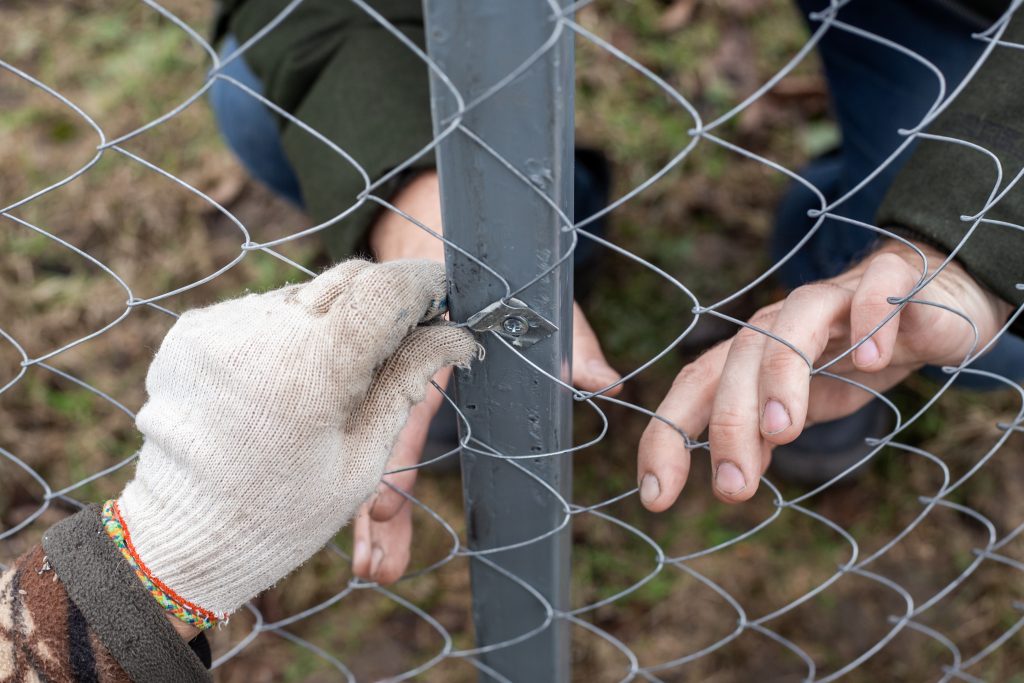
Permits and regional labor rates round out the cost picture, with Florida fence permits running $50 to $175 and labor making up roughly half the total. Most Florida counties require a permit for a new fence regardless of material, and deed-restricted communities often add an HOA architectural review that can extend the timeline. Labor rates vary across metros, with coastal and urban markets charging more than rural areas for the same fence. A detailed, itemized quote shows exactly how permits and labor factor into your total.
According to the Florida Building Code, fences not exceeding 6 feet in height in the state’s High-Velocity Hurricane Zone may be designed for a 115 mph 3-second-gust wind speed, which is why professional Florida installations set posts in concrete footings rated to resist hurricane-force wind.
- Permit fees: Commonly $50 to $175 in Florida counties.
- HOA review: Deed-restricted areas may add weeks to the timeline.
- Labor share: Roughly half the total installed cost.
- Regional swings: Coastal metros cost more than rural areas.
How to Save Money on Chain Link Fence Cost
There are several practical ways to lower your chain link fence cost without sacrificing quality or code compliance. The two sentences below preview the most effective strategies Florida homeowners use.
What Are the Best Ways to Cut Costs?
The best ways to cut chain link fence cost are choosing a lower height where possible, limiting corners, and handling safe prep work yourself. Each corner requires an extra post and hardware, so a simpler layout with fewer corners reduces both material and labor. Opting for a 4-foot galvanized fence instead of a 6-foot vinyl-coated one can shave dollars off every linear foot. Removing old fencing or clearing brush yourself, where safe, trims the labor portion of your bill.
- Lower the height: A 4-foot fence costs less than a 6-foot one.
- Limit corners: Fewer corners mean fewer posts and hardware.
- Choose galvanized: Basic galvanized costs less than vinyl-coated.
- DIY prep: Safe clearing and removal lower labor costs.
When Is It Worth Spending More?
It is worth spending more when your fence faces coastal salt air, high wind exposure, or heavy daily use that demands tougher materials. Along Florida’s coast, vinyl-coated mesh and heavier 9-gauge wire resist corrosion far longer, reducing replacement costs over the fence’s life. Concrete footings and quality installation also matter more in hurricane-prone areas, where cutting corners can lead to failure during a storm. Spending a bit more upfront on durability and professional installation often saves money over the decades you own the fence.
- Coastal homes: Vinyl coating and heavy gauge resist salt corrosion.
- High-wind areas: Quality footings protect against hurricane loads.
- Heavy use: Tougher mesh handles pets and daily wear.
- Long-term value: Durability upfront reduces replacement costs.
Frequently Asked Questions
How much does a chain link fence cost in Florida?
A chain link fence in Florida typically costs $12 to $26 per linear foot installed, or about $1,800 to $3,900 for a 150-foot yard. The final price depends on height, wire gauge, coating, gates, and site conditions. Request an on-site measurement for an accurate, itemized estimate.
Is chain link the cheapest fence option in Florida?
Yes, chain link is the most affordable major fencing material in Florida, running roughly a third of the cost of vinyl. Galvanized chain link typically costs $12 to $20 per linear foot installed, while vinyl privacy fencing often runs $25 to $45. Chain link offers security and pet containment at the lowest price point.
Do I need a permit for a chain link fence in Florida?
Most Florida counties require a permit for a new fence regardless of material, with fees commonly running $50 to $175. Deed-restricted communities often require HOA architectural review as well, which can add weeks to your timeline. Always confirm local codes and HOA rules before installation begins.
How long does a chain link fence last in Florida?
A galvanized chain link fence typically lasts 15 to 25 years, and 20 years or more is common in Florida with proper installation. Coastal salt air can shorten that lifespan, which is why vinyl-coated mesh is popular near the water. Regular rinsing and annual rust checks help extend the life of any chain link fence.
Does salt air affect chain link fence cost?
Salt air does not change the base price much, but it makes upgrades like vinyl coating and heavier gauge wire worthwhile for coastal homes. These upgrades add a few dollars per linear foot but significantly extend the fence’s life in corrosive conditions. For waterfront properties, the added durability is usually worth the modest extra cost.
What is the cheapest way to install a chain link fence?
The cheapest approach is a 4-foot galvanized fence with a simple layout, few corners, and minimal gates. Handling safe prep work like brush clearing or old-fence removal yourself can also lower labor costs. A professional installer can help you balance savings against durability for Florida’s climate.
Why Fence Direct Is the Right Choice for Your Chain Link Fence
When you are comparing chain link fence cost across Florida, you want a team that gives you honest pricing, sets posts to withstand hurricane-force wind, and knows how to handle salt air and local permitting, and that is exactly what Fence Direct delivers. Our crews install galvanized and vinyl-coated chain link with deep, concrete-set footings and properly tensioned mesh built to last for decades in Florida’s demanding climate. Every new fence installation is backed by a two-year workmanship warranty on top of the manufacturer coverage, so you can invest with real confidence. We measure carefully, explain your cost and material options in plain language, and handle the permitting and HOA details that protect both your warranty and your property.
If you are ready to get real numbers for your chain link fence cost, reach out to Fence Direct for expert guidance and a free estimate. We return every call within 24 business hours, so pricing your Florida fence is quick and pressure-free. Contact us today and let our team install a durable, budget-friendly chain link fence built for your yard, your budget, and Florida’s weather.