Choosing a fence is not simply a matter of picking the material you like most. The right fence needs to work with how you use your property, how much privacy you want, whether you have pets or a pool, and how much maintenance you are willing to handle.
That is why comparing fence materials by application can be more useful than comparing them by appearance alone. Vinyl, wood, aluminum, and chain link each solve different problems. The best choice depends on what you need the fence to do.
Start With How You Use the Property
Before comparing fence materials, think about the role your fence will play.
- Privacy: Do you want to block views into your backyard?
- Pets: Does the fence need to contain a dog or other pets?
- Pool area: Will the fence form part of the barrier around a swimming pool?
- Visibility: Do you want to see through the fence or keep the property enclosed?
- Maintenance: How much cleaning, painting, staining, or upkeep are you prepared to handle?
- Property use: Is the fence for a home, yard, side boundary, pool area, or another application?
Once those priorities are clear, the material comparison becomes much easier.
Vinyl: A Strong Choice for Privacy and Low Upkeep
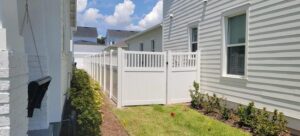
Vinyl fencing is often considered when privacy is the main goal. Solid privacy styles can create a defined backyard enclosure without requiring the regular staining or painting associated with many wood fences.
It can also work well for homeowners who want a consistent appearance with relatively straightforward upkeep. Depending on the style, vinyl can provide privacy while still giving the property a clean, residential appearance.
Consider vinyl when you want:
- Backyard privacy
- A low-maintenance boundary
- A solid enclosure for pets
- Picket or semi-privacy options
- A consistent residential look
For homeowners specifically researching fence installation in Lakeland, FL, vinyl can be one option worth discussing when privacy and maintenance are high on the list.

Wood: Flexible, Traditional, and Highly Customizable
Wood remains a practical option when appearance and flexibility matter. It can be used for privacy fencing, boundary fencing, and a range of traditional residential designs.
One advantage of wood is the variety of styles available. A homeowner can choose different board arrangements, heights, and finishes depending on the desired appearance and application.
The tradeoff is maintenance. Wood generally requires more ongoing attention than materials designed to minimize upkeep, particularly when the fence is exposed to Florida’s outdoor conditions.
Wood may make sense when you want:
- A traditional appearance
- Strong privacy
- Flexible design options
- A fence that complements an existing home style
- The ability to customize the look
If you are considering a fence contractor in Lakeland that homeowners can rely on, discuss both the initial installation and the long-term care required for a wood fence.
Aluminum: Visibility Without a Heavy Appearance
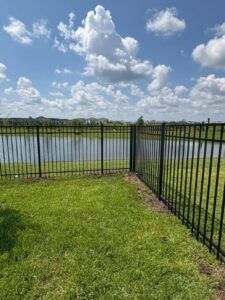
Aluminum fencing takes a different approach. Rather than creating a solid visual barrier, many aluminum designs use open pickets that define the property while preserving visibility.
That can make aluminum useful around areas where you want a clear sightline, such as yards, landscaping, and certain pool applications. Its appearance can also provide a more open feel than solid privacy fencing.
Aluminum can be worth considering when you want:
- Open visibility
- A defined property boundary
- A more open appearance
- Fencing around landscaped areas
- A material suited to certain pool applications
For pool projects, the fence layout matters just as much as the material. A pool fence project should be planned around access points, gates, the pool area, and applicable local requirements rather than choosing a material based only on appearance.
Chain Link: Practical for Pets, Boundaries, and Utility
Chain link is often the practical choice when visibility, function, and property separation matter more than privacy.
It can be useful for containing pets, defining a yard, securing certain areas, or creating a straightforward boundary without visually closing off the property. Different configurations and coatings can also change the finished appearance.
Chain link may fit when you need:
- Pet containment
- Clear visibility
- A practical property boundary
- Yard or utility-area enclosure
- A functional solution for larger spaces
If privacy is important, however, chain link may require a different approach than a solid vinyl or wood fence. The intended use should guide the configuration from the beginning.

Which Fence Materials Work Best for Common Applications?
There is no single answer for every Florida property. A useful starting point is to match the material to the job:
| Property Need | Fence Materials Worth Considering |
| Backyard privacy | Vinyl, Wood |
| Pet containment | Vinyl, Wood, Chain Link |
| Open visibility | Aluminum, Chain Link |
| Pool-area fencing | Aluminum and other suitable configurations |
| Traditional appearance | Wood |
| Lower-maintenance preference | Vinyl, Aluminum |
| Practical property enclosure | Chain Link |
| Flexible residential styling | Vinyl, Wood, Aluminum |
This is only a starting point. Property layout, gates, existing structures, landscaping, local requirements, and the exact fence design can all affect the final decision.
Don’t Choose Fence Materials Before Checking the Property
Even the right material can create problems if the fence is poorly planned.
For example, a fence may need to account for a driveway, pedestrian access, landscaping, a pool, neighboring properties, or the way people and pets move through the yard. Gates should also be considered at the planning stage rather than treated as an afterthought.
Local requirements matter, too. In Lakeland, the city currently states that fence permits are not required for new or replacement fences, but property owners are encouraged to contact planning staff to confirm compliance with the Land Development Code. Fences in historic districts require a Certificate of Review, and specific restrictions can apply to materials and styles.
Requirements can differ elsewhere in Polk County, so the location of the property should always be confirmed before installation.

The Best Fence Is the One That Fits the Job
Vinyl, wood, aluminum, and chain link can all be good fence materials. The better question is which one fits your property.
If privacy is the priority, start with solid fencing options. If visibility matters, consider an open design. If pets need to stay contained, focus on layout, spacing, and gates. If maintenance is a concern, compare the long-term care requirements before making a decision.
At Fence Direct, we help homeowners and property owners compare fence materials based on how they plan to use the space, the property’s layout, and the type of fence they want to install. We can help you select the right material and handle the professional fence installation from there. Contact us to discuss your fencing project and request a quote.